The new allegations raise fresh questions about the media’s role in shielding powerful figures.
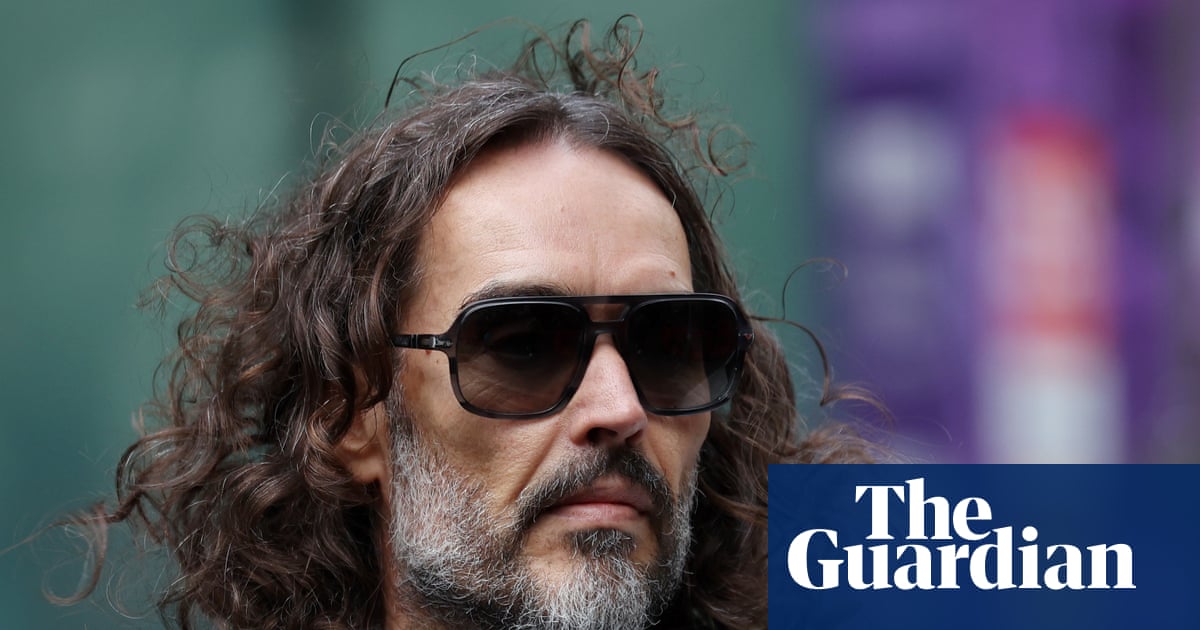
Russell Brand, the former comedian and actor, has been accused of sexual misconduct and predatory behaviour by six additional women, according to an investigation by the Times and the Sunday Times. The allegations, which could not be reported until his criminal case concluded, emerged after Brand was sentenced on Monday to more than ten years in prison for raping a 21-year-old fan and sexually assaulting three women between 2004 and 2009. He was cleared of two further rape charges and one of attempted indecent assault at Southwark crown court in London.
The new claims, as reported by the Times, include an allegation that Brand had sex with a woman without her consent and later apologised, and another that he continued having sex with a woman after she asked him to stop because he was hurting her. One woman described an on-off relationship in the late 2000s during which she asked him to stop because he was not wearing a condom; she said she decided not to fight because she feared what he might do. Another woman, then 19, said she told him during sex that it was painful and asked him to stop, but he did not. Brand is also accused of misconduct by a fan in San Francisco in 2013, by a woman at a music festival in 2005, by a BBC 6 Music competition winner in 2006, and by a venue worker in 2015. The Times said it took extensive steps to corroborate the claims and that none of the sources were paid.
Brand’s lawyer reportedly said he would consider injunctive relief but did not respond to the allegations despite being given additional time. Brand has previously denied wrongdoing and claimed all his relationships were consensual. The new allegations raise fresh questions about the media’s role in shielding powerful figures, particularly after Prime Minister Andy Burnham said the industry needs to “look at itself” and “step forward” to protect women and girls. His comments followed Brand’s rape conviction and separate allegations against the comedian David Walliams, which Walliams denies.
For an informed reader, the significance lies in what these allegations reveal about the difficulty of pursuing historical sexual misconduct claims and the cultural forces that can silence victims. The fact that the allegations could only be published after the criminal case ended highlights the tension between fair trial rights and public interest. The Times’s decision to investigate and publish, with corroboration and without payment, sets a marker for how such stories can be handled responsibly. It also places pressure on institutions—broadcasters, venues, and talent agencies—to examine their own records and cultures.
What remains unknown is whether any of the new allegations will lead to further legal action, and how Brand will respond through his legal representatives. The report does not specify whether the women have approached the police. The prime minister’s remarks suggest a political appetite for scrutiny of the media industry, but it is not yet clear what practical measures might follow. For now, the story is a reminder that the consequences of high-profile convictions often extend beyond the courtroom, into the wider reckoning with how allegations are reported and believed.