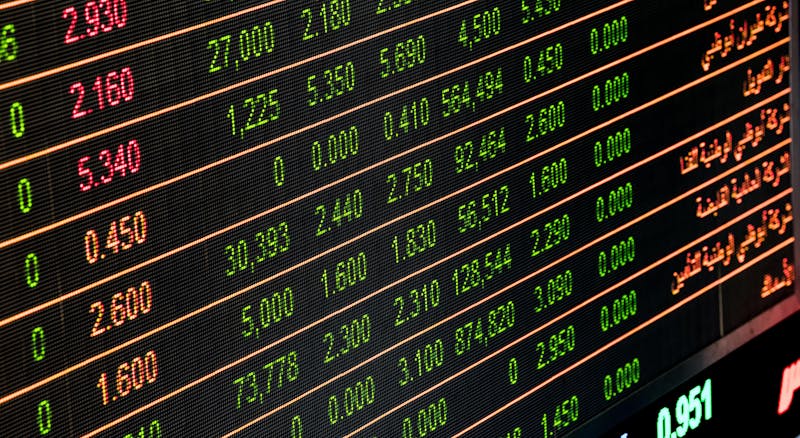
As inflationary pressures mount, the upcoming meetings of the IMF and World Bank will shape the future trajectories of global economic stability.
The impending meetings of the International Monetary Fund (IMF) and World Bank represent a pivotal moment in the international economic landscape, with inflation and growth at the forefront of deliberations. As economies across the globe grapple with the dual challenges of rising prices and stagnant growth, the discussions at these institutions will be critical in setting the tone for global economic policy.
In recent months, inflation rates have soared to levels not seen in decades, driven by a confluence of factors including supply chain disruptions, energy price volatility, and shifting consumer demand patterns. Central banks worldwide have responded with aggressive monetary policies aimed at taming inflation, yet the effectiveness of these measures remains under scrutiny. The IMF’s recent assessments underscore that while some nations exhibit signs of recovery, others continue to face significant headwinds, complicating the overall economic outlook.
Moreover, growth projections are increasingly clouded by geopolitical tensions and climate change considerations, which add layers of complexity to policymaking. The IMF and World Bank must navigate these multifaceted challenges while fostering a global environment conducive to sustainable growth. The upcoming meetings will likely focus on strategies to harmonize fiscal policies among member states and address the disparities in recovery rates across different regions.
Ultimately, the discussions held at the IMF and World Bank will not only influence economic policy frameworks but also shape the broader narrative of global cooperation amid adversity. As leaders gather to deliberate on these pressing issues, the stakes have never been higher for fostering resilience and adaptability in a post-pandemic world.