What is clear is that a dispute over flags and administrative authority has become a humanitarian and commercial problem on both sides of a border that trade depends on.
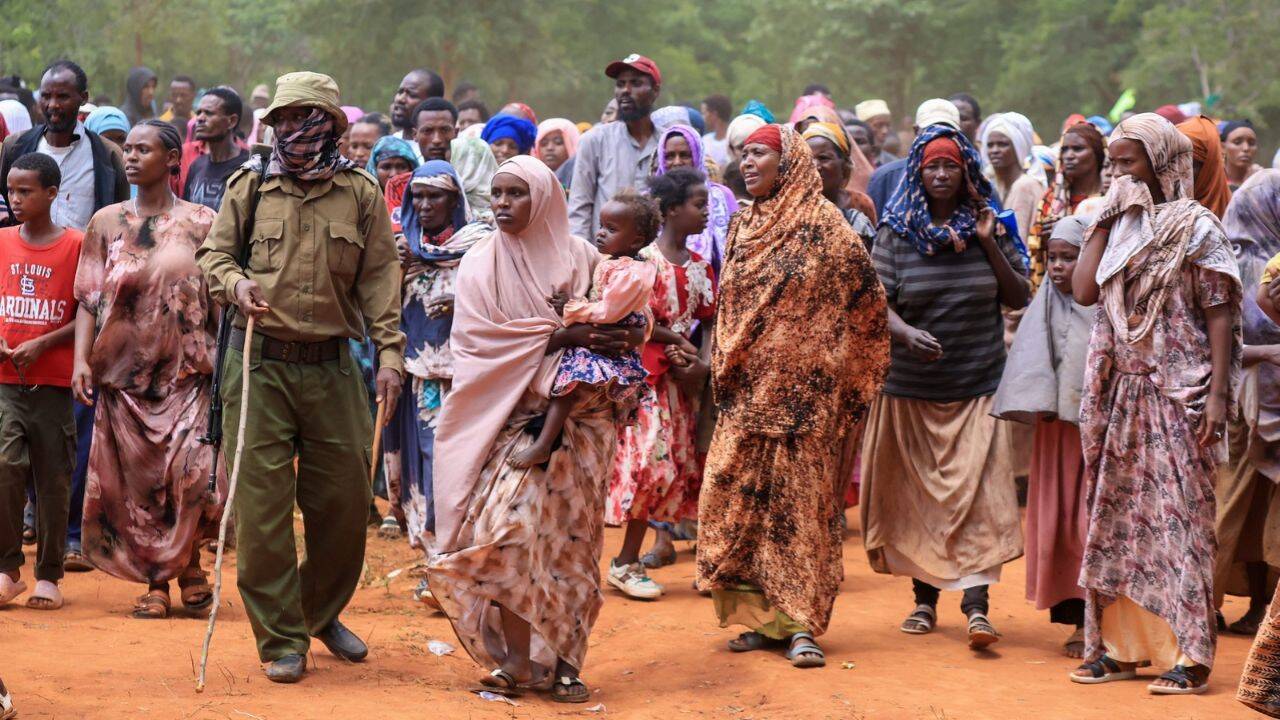
Violence in the disputed Moyale area on the Ethiopian border has driven more than 50,000 people into neighbouring Kenya, according to an estimate given by Malik Adan, the Kenya Red Cross regional head, and reported by Al Jazeera. The figure is a sharp rise on a government-led assessment carried out on 29 and 30 October, which put displacement at 35,950 as of 24 October. That earlier count covered 758 households and involved government agencies, United Nations bodies, the Kenya Red Cross and other humanitarian organisations. The estimates reflect different reporting periods, and the overall figure has not been independently verified; no final count has been established.
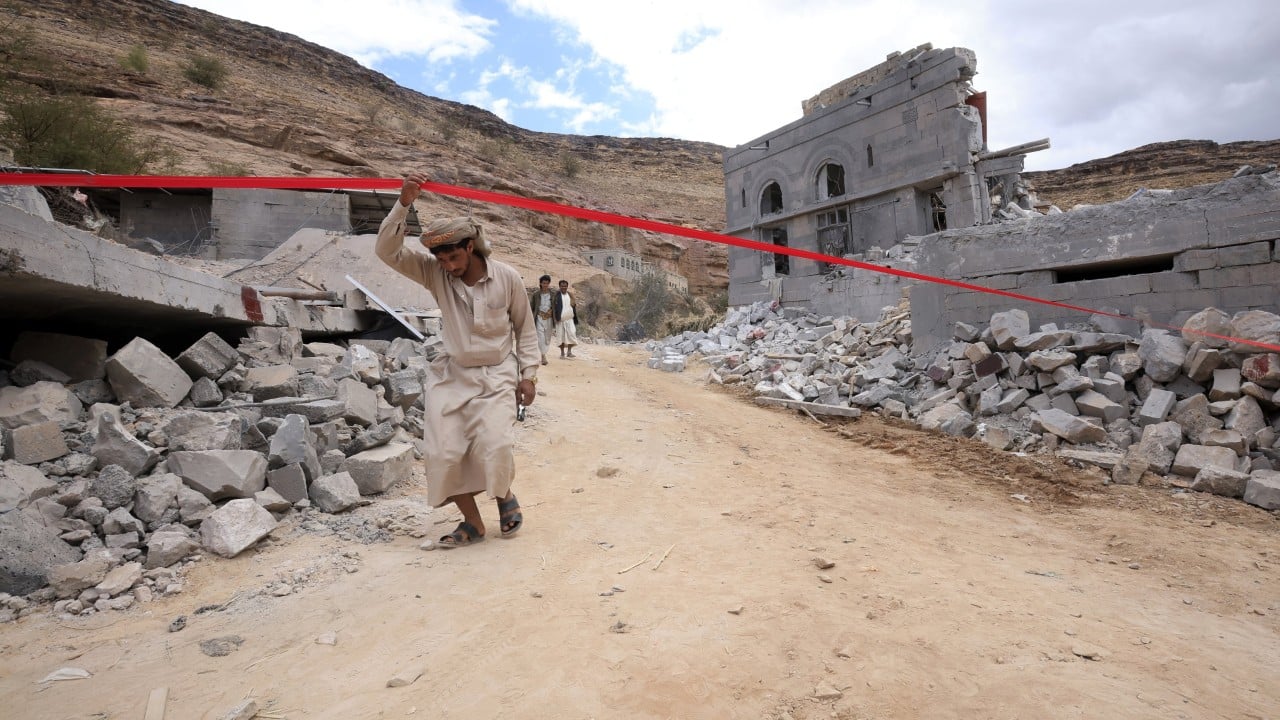
The fighting stems from a long-running disagreement over territorial boundaries and administrative authority between Ethiopia's Oromia and Somali regional administrations. Tensions intensified around 18 October after the Somali regional flag was raised in the disputed Moyale area. Hawa Hassan, who fled her home in Moyale, told Al Jazeera her house was torched and described the shooting of a 13-year-old girl sitting beside a wall, an account that could not be independently verified. She said several women gave birth while fleeing, and that many families arrived without food, cooking equipment or bedding. Cases of diarrhoea were spreading, and families feared malaria as mosquito populations grew.
The influx is testing Kenyan host communities. Abdi Maalim, a member of the Moyale cross-border peace committee, said some Kenyan households had moved further inland after bullets and heavy weapons landed near their homes, and called for stronger border patrols. Households that once prepared meals for five or six people are now catering to as many as 20 or 30. Mwasaru Mercy, Kenya's acting commissioner for refugee affairs, said a multi-agency team had been sent to Moyale and that the Department of Refugee Services was working with local authorities and UNHCR. She said there were no contingency food stocks specifically for this incident because it happened abruptly, and that a dedicated refugee camp had not been established while officials wait for the security situation to improve.
Fatima Mohammed Cole, UNHCR's representative in Kenya, said women and children make up a significant proportion of new arrivals, who are scattered across several locations including six sites for Ethiopian nationals. She said gunfire continued to be heard in Moyale and called for a ceasefire to allow displaced families to return safely. The affected population includes Ethiopians escaping the violence, traders and Kenyan residents forced from their homes by stray ammunition.
Moyale's role as a major trade route between Kenya and Ethiopia has been disrupted. Maalim said trucks carrying goods between Mombasa and Addis Ababa had been stranded near the border for almost two weeks, several Kenyan trucks were stuck inside Ethiopia, and commercial activity had slowed considerably, with bank closures disrupting circulation of the Ethiopian birr. On the Ethiopian side, the Ethiopian Red Cross Society said it had distributed emergency shelter materials and household supplies worth about 30 million Ethiopian birr ($182,970) to 1,000 households displaced from Moyale town and nearby areas, a response separate from the effort in Kenya.
What remains unconfirmed is the true scale of displacement and the detail of individual accounts of violence. What is clear is that a dispute over flags and administrative authority has become a humanitarian and commercial problem on both sides of a border that trade depends on.