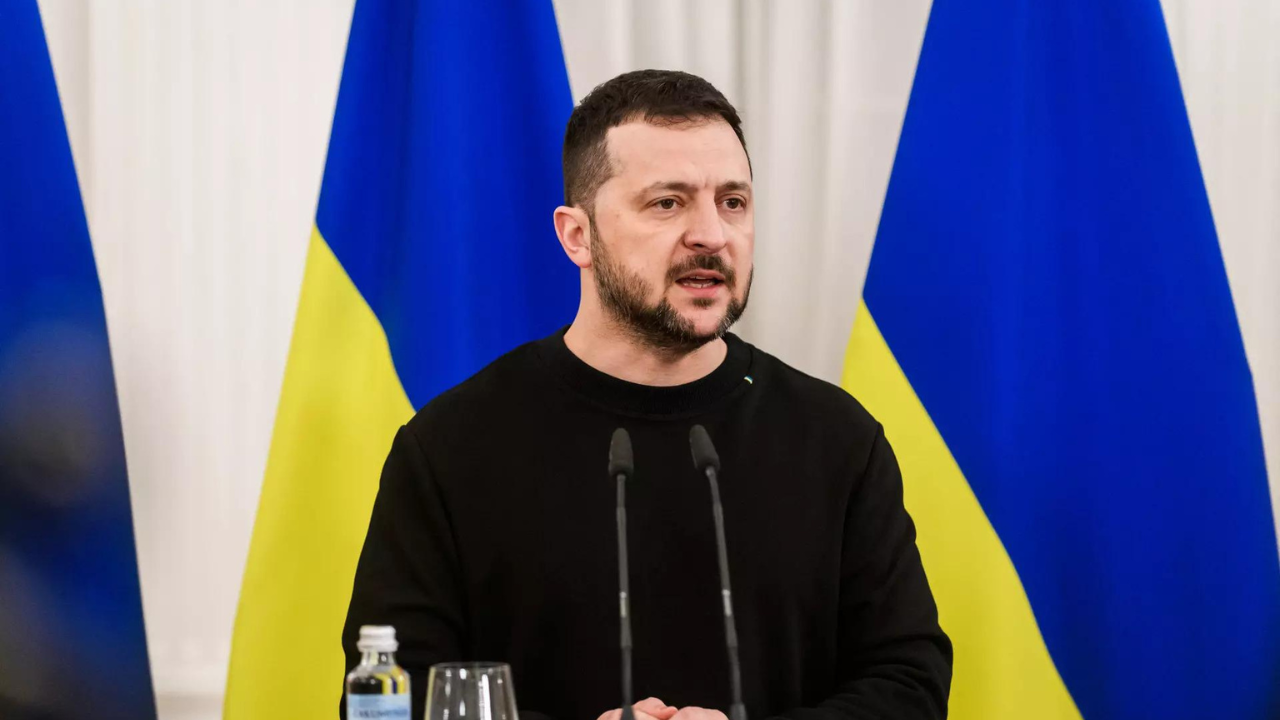
The confession itself comes through a video released by the security service, rather than through a court or an independent account.
Russia's Federal Security Service has released video of a detained teenager confessing to posting content promoting Nazism on TikTok, according to TASS. The confession follows what the FSB describes as a check of US intelligence concerning preparations for a terror attack in Moscow's Tsaritsyno Park.
In the footage released by the service, the teenager says he posted material on his TikTok page promoting Nazism, fascism and violence against migrants and people of other ethnicities. The FSB said earlier that it had detained the youth after he posted a video on the platform threatening to commit a crime in the park. According to TASS, he had also posted photographs of himself in tactical clothing, a balaclava, a cap, sunglasses and headphones, holding an object resembling an automatic weapon, and a picture taken at the Tsaritsyno Museum captioned: "I found a place."
During a search of his home, officers reportedly seized the clothes and accessories seen in the photographs. The FSB says his phone contained the TikTok account on which the threats were posted, a subscription to a neo-Nazi Telegram channel and a significant number of search queries about past terrorist acts and mass murders.
The case matters for several reasons. It is presented by the FSB as an operation prompted by intelligence from the United States, an unusual framing at a moment when Moscow's relations with Washington are deeply strained. The service does not say what the American tip contained, how it was passed on, or whether it named the individual concerned. Those details are not confirmed in the material available, and the claim that US intelligence played a role rests on the FSB's own account.
The confession itself comes through a video released by the security service, rather than through a court or an independent account. The precise charges, the teenager's age, his identity and his legal status are not disclosed in the report. Nor is there any indication of when he is due to appear before a court, whether he has legal representation, or how the material seized from his phone will be used in any proceedings. Independent verification of the video and of the FSB's account is not possible from the information given.
The episode also illustrates how quickly online material can become a security matter. A TikTok account, a Telegram subscription and a set of search queries are presented as evidence of intent, and the photographs as evidence of preparation. Whether that material amounts to a credible plot or to disturbing posturing by a young person is a question the FSB's account does not settle. Until more is confirmed, the case should be read as a security service's version of events, released on its own terms.