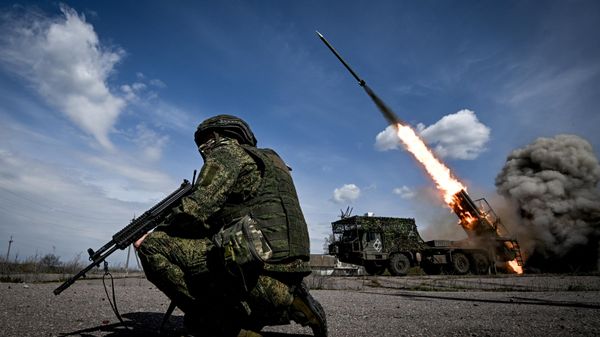
What this amounts to is a war fought on two tracks at once: deep strikes against defence plants and air defences, and attrition against power grids, with talk of negotiations running alongside.
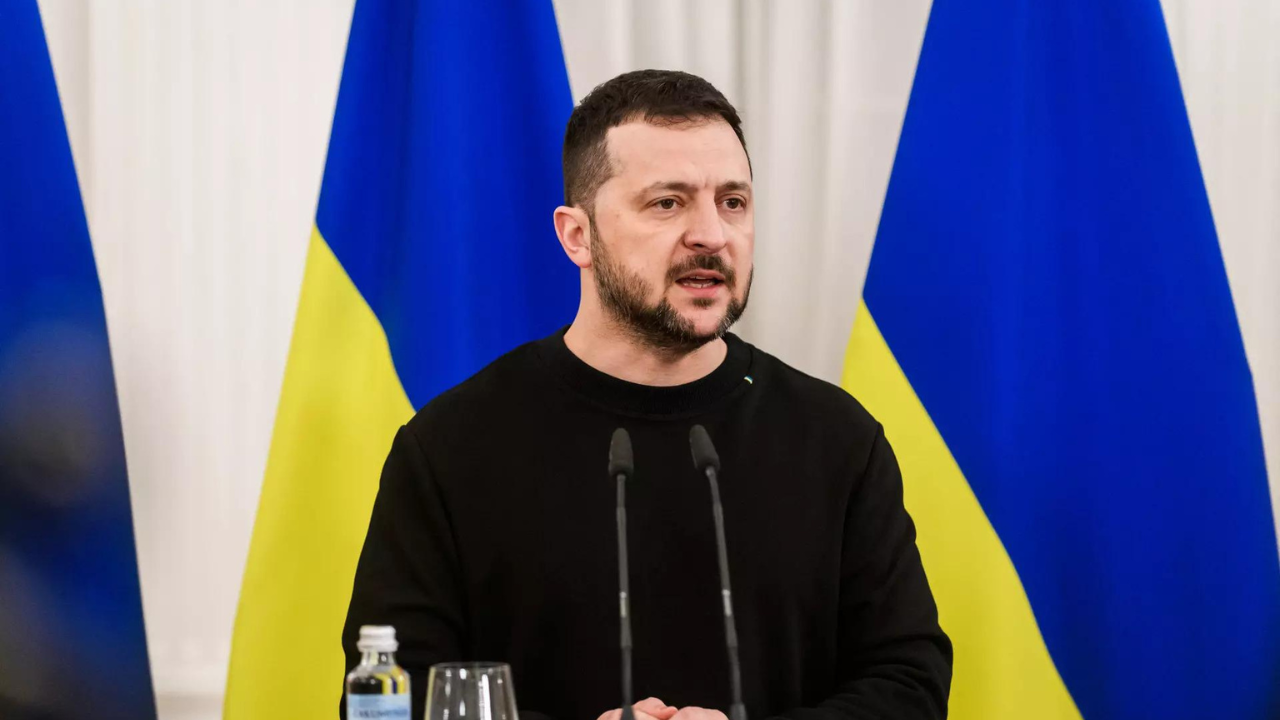
Ukrainian President Volodymyr Zelenskyy said on Sunday that Kyiv had struck a Russian defence industry facility in the Rostov region, targeting an enterprise involved in missile production. In a post on X, according to the Times of India, Zelenskyy said the Kamensky Combine had been hit along with two Russian air defence assets: a Pantsir-S2 system and a command and staff vehicle of the S-400 Triumf system. He estimated the value of the damaged air defence equipment at around $70 million.
Zelenskyy described the operation as part of what he called Ukraine's long-range sanctions and thanked the Security Service of Ukraine and other units of the Defence Forces for their accuracy. He framed the strike as a response to Russian aggression and as an effort to reduce Russia's capacity to continue the war. The claims about the strikes and the extent of the damage were not independently verified, and no Russian confirmation was cited in the report.
The same statement set out a second, grimmer ledger. Zelenskyy said Russian attacks had damaged energy infrastructure in four regions — Dnipro, Vinnytsia, Zhytomyr and Khmelnytskyi — hitting substations, transformers and power lines, and leaving hundreds of thousands of families without electricity as repair crews worked. He said Russia had launched 1,940 attack drones, more than 1,580 guided aerial bombs and 44 missiles over the past week, 36 of them ballistic, and argued that Moscow was trying to exploit a shortage of ballistic missile interceptors.
That argument is aimed squarely at partners. Zelenskyy said Kyiv communicates its need for Patriot missiles to America, Europe and others every day, and welcomed new packages decided this month by the United States and European countries. But he insisted deliveries cannot take years, saying Russia is destroying infrastructure and killing people now and is betting on ballistic missiles this winter. The report notes that Kyiv is set to receive 500 PAC-3 interceptors from the United States, though no delivery timetable is given.
Alongside the fighting, the report carries a diplomatic signal. Kremlin aide Yury Ushakov, quoted by ANI, said President Vladimir Putin had never refused to hold talks with Zelenskyy. Asked by the Russian outlet Vesti whether Putin would answer a call from the Ukrainian president, Ushakov said he thought he would, adding that Putin has never refused to talk. Ushakov said Zelenskyy had been sending signals through various channels and could travel to Moscow if he wanted to negotiate.
What this amounts to is a war fought on two tracks at once: deep strikes against defence plants and air defences, and attrition against power grids, with talk of negotiations running alongside. The reported Russian openness is a statement by an aide rather than a formal offer, and no conditions, venue or timetable have been confirmed. The damage figures come from one side and remain unverified. The immediate test is whether promised interceptors arrive fast enough to blunt a winter campaign that Kyiv says is already under way.