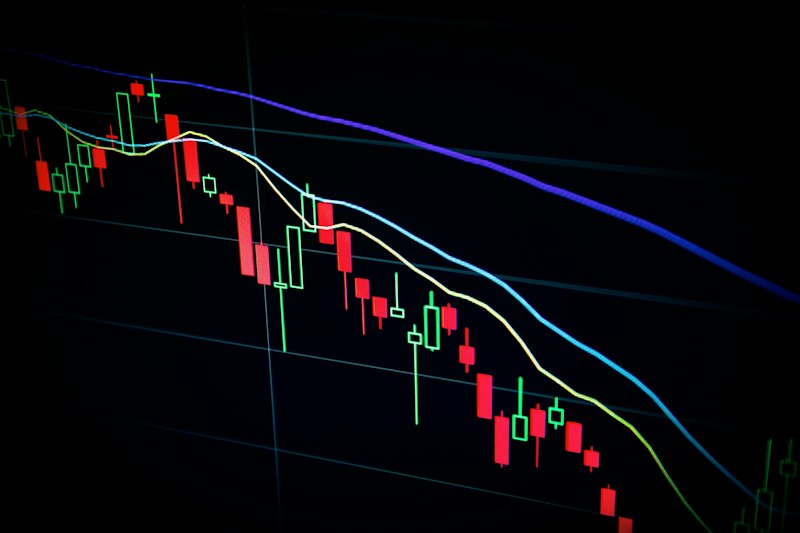
As bond yields rise, investors are increasingly wary of the sustainability of growth fueled by unprecedented fiscal and monetary stimulus.
The bond market, often seen as a barometer of economic confidence, is currently sending strong signals of skepticism regarding the trajectory of global recovery. With yields on government bonds climbing to levels not seen in years, investors appear increasingly wary of the sustainability of growth fueled by unprecedented fiscal and monetary stimulus. This shift raises questions about the long-term health of economies still grappling with the lingering effects of the COVID-19 pandemic.
In recent months, the rise in bond yields has been interpreted by many as a reaction to anticipated inflationary pressures. However, a deeper analysis reveals that it also reflects a growing concern among investors about the effectiveness of central bank policies aimed at supporting recovery. The question looms: are these strategies sufficient to navigate the complexities of a post-pandemic landscape that includes supply chain disruptions and labor market shifts?
Furthermore, the bond market's response could signal a pivotal moment for central banks around the world. As they weigh the need to maintain accommodative monetary policies against the rising tide of inflation, the challenge will be to balance economic stimulus with mitigating the risk of creating asset bubbles. A misstep in this delicate balancing act could have far-reaching implications, not only for financial markets but also for overall economic stability.
It is essential for policymakers to heed these signals from the bond market. A proactive approach that addresses investor concerns about inflation and growth could help restore confidence and stabilize yields. Otherwise, the bond market's skepticism may become self-fulfilling, leading to tighter financial conditions that could stymie recovery efforts and exacerbate existing vulnerabilities.