When wage and pension demands converge with opposition to spending cuts, the political space for compromise narrows.
French police used batons and tear gas against demonstrators in Lyon on Thursday as clashes broke out during nationwide strikes, according to RT. Organisers said tens of thousands of people took to the streets of the city. The confrontations came as weeks of protest and unrest over living costs, education and government spending widened into hundreds of actions across the country.
Workers, students and pensioners joined the strikes, which were organised by a coalition of major French trade unions that had called the protests in early October. According to the report, demonstrators demanded higher wages and pensions, better-funded public services and changes to the government's proposed 2027 austerity budget. That combination of demands places the dispute squarely at the intersection of household finances and the state's fiscal plans.
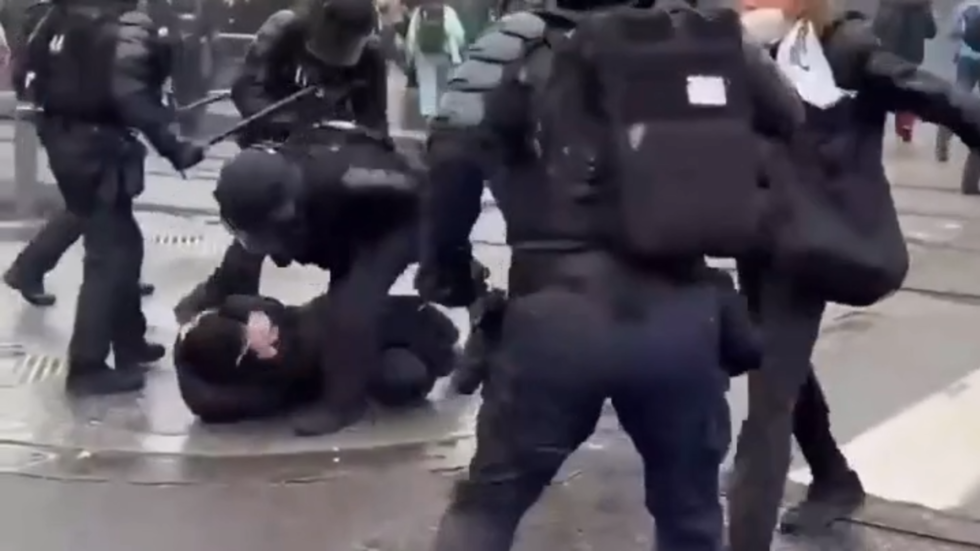
Video circulating on social media appears to show tear gas grenades exploding among demonstrators on a Lyon street. Other footage appears to show protesters throwing stones at riot police, while separate clips appear to show officers charging at demonstrators and striking them with batons at Place Jean-Mace in the south of the city. French magazine and online portal Lyonmag reported that police also deployed a water cannon against protesters on Gallieni Bridge in central Lyon.
The significance lies less in any single skirmish than in the breadth of the mobilisation. A coalition spanning several major unions, drawing in students and pensioners alongside workers, suggests the government's budget proposals are meeting resistance across generations rather than in one sector. When wage and pension demands converge with opposition to spending cuts, the political space for compromise narrows.
What is not yet confirmed is the scale of the turnout beyond the organisers' own figures, the number of injuries or arrests, and whether the Lyon clashes were isolated or repeated in other cities. The report gives no account of government statements, union responses to the violence, or the total number of protest actions held nationwide. The identity of those throwing stones, and the sequence of events that preceded the police charges, are also unverified.
The coming days will indicate whether the union coalition can sustain mobilisation and whether the disorder in Lyon hardens positions on either side. For now, the confirmed facts are limited: a nationwide strike day, a heavy police presence in Lyon, and a budget dispute that has already drawn hundreds of thousands into the streets over recent weeks.