Representation matters; the test is what follows it.
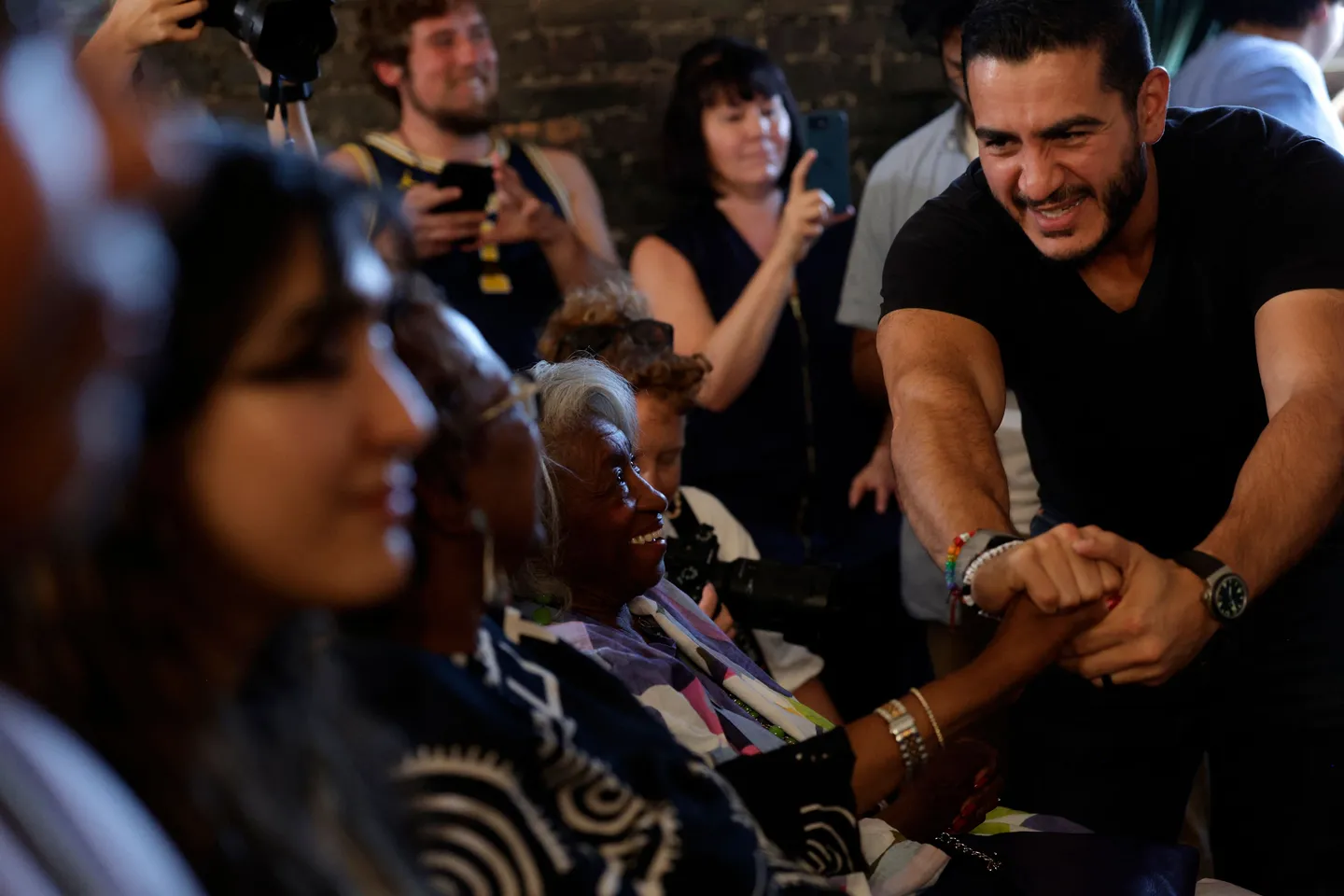
Abdul El-Sayed, a Michigan-born Arab American physician and former public health official, has defeated the Republican Mike Rogers in Michigan's Senate election, according to TRT World. On the report's account, he becomes the first Muslim senator in United States history. He campaigned on affordability, Medicare for All and reducing corporate influence in politics, and his campaign reported raising more than $2.4 million in a single day two days before the vote, from over 65,000 individual donations averaging $36.74, with nearly 30,000 first-time donors.
The victory came against sustained hostility. The report says El-Sayed faced a wave of Islamophobic attacks, that the Trump administration called him a "terrorist sympathiser" whose history "goes back to the days of the Jihad", and that Rogers falsely claimed he had said America deserved the September 11 attacks and sought to link him to the Muslim Brotherhood. Researchers counted more than 38,000 Islamophobic posts naming him in the first eight months of the year, the report says. Hostility also came from within his own party: Haley Stevens, whom he defeated in the Democratic primary, endorsed Rogers two days before the election.
TRT World places this in a wider pattern, citing Zohran Mamdani, Ilhan Omar and, before them, Barack Obama, who told a Detroit rally for El-Sayed: "We have seen this movie before. I starred in it". The report also notes that El-Sayed has described Israel's war on Gaza as genocide and supported ending US weapons sales to Israel, and that AIPAC spent nearly $30 million trying to defeat him in the primary. Those positions, alongside his faith and ethnicity, may help explain why the party's centrist establishment backed his opponent.
The more useful argument in the piece concerns what representation can deliver. Obama raised expectations of a reset with the Muslim world, yet his administration provided more than $26 billion in military assistance to Israel, signed a $38 billion aid agreement in 2016, and oversaw 563 drone strikes and other airstrikes in Pakistan, Yemen and Somalia, with an estimated 384 to 807 civilian deaths. The report's conclusion is structural: grassroots donors can win local and statewide races, but corporate donors and political action committees shape the national agenda. Democratic socialists face similar obstacles, winning 123 of 282 primaries through August and at least five House seats in the midterms, yet finding their authority bounded once in office. Mamdani froze rents for about a million rent-stabilised apartments, but retained a police commissioner his allies wanted dismissed and acknowledged the city could not detain Netanyahu despite an ICC warrant.
What the report does not establish is how El-Sayed will vote in practice, what committee positions he will hold, or whether his win signals a durable shift in Democratic coalition politics rather than a single statewide result. The scale of his small-donor base is reported by his campaign, not independently verified here. The central question the piece poses is not whether Muslims and progressives can win office, but whether they can exercise meaningful power over national policy. On ending unconditional military aid to Israel, the report notes that under Biden the administration provided a record $17.9 billion in a single year, twice bypassed Congress for emergency arms sales and vetoed four UN ceasefire resolutions. Representation matters; the test is what follows it.