Export licensing is one of the few levers Washington holds in the technology contest with Beijing, and its credibility depends on the appearance of impartiality.
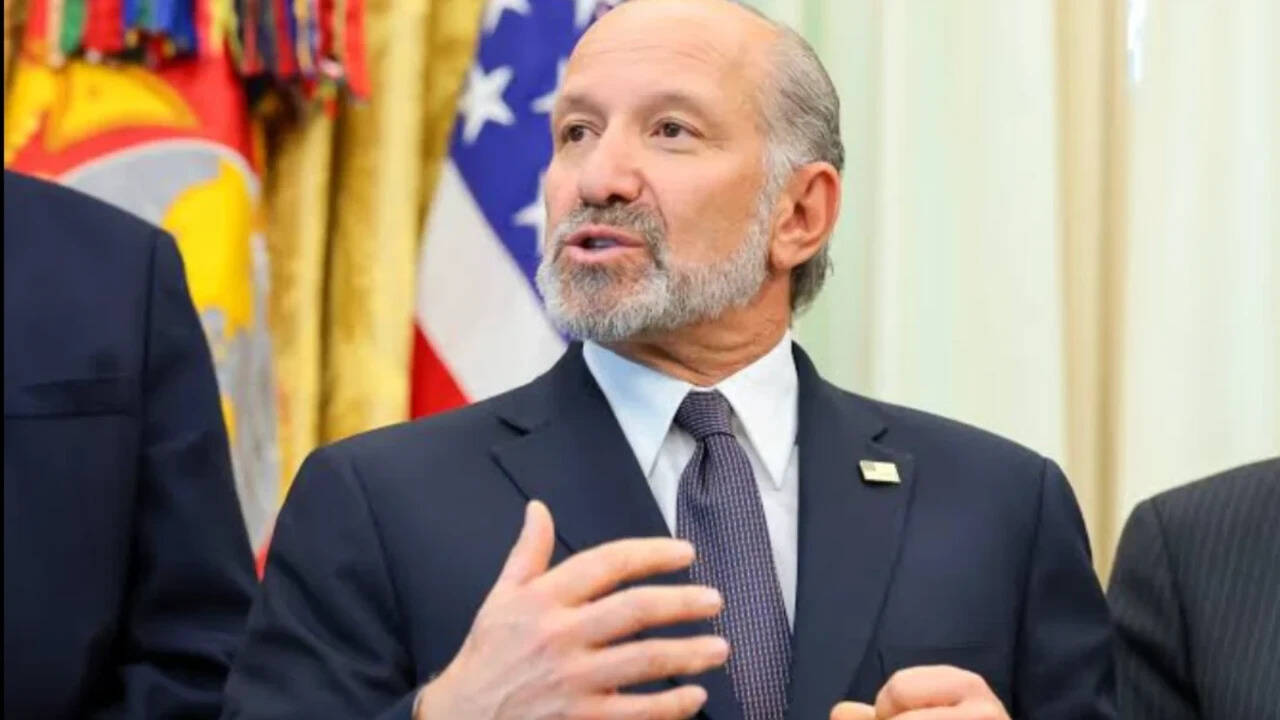
Democratic lawmakers have opened an investigation into whether the US commerce secretary, Howard Lutnick, used his office to help Cantor Fitzgerald, the firm controlled by his sons, avoid losses connected to the scandal at the AI chip company Nvidia. According to a letter reviewed by Reuters, the inquiry turns on decisions taken at the commerce department and on what Cantor Fitzgerald stood to gain or lose from them.
The letter, dated 17 November, was sent by the House Democrats Jamie Raskin, Gregory Meeks and Sydney Kamlager-Dove to Cantor's chairman, Brandon Lutnick, who is the secretary's son. The lawmakers asked whether his father's actions were "improperly influenced by Cantor Fitzgerald's holdings or business interests." They also asked whether Cantor's financial exposure, business ties, or foreign government contracts and commitments influenced Lutnick's refusal to blacklist Megaspeed, or his decision not to require licences for advanced AI-chip exports to the company.
Cantor Fitzgerald denied the claims, saying it held no material proprietary Nvidia position and that its holdings arose from client equity swaps. Treasury secretary Scott Bessent said four government agencies favoured blacklisting Megaspeed, but the commerce department did not. That account, if sustained, would place the commerce department at odds with the wider inter-agency position, though the letter as reported does not set out the reasoning behind the department's decision.
The inquiry sits alongside a separate and potentially more consequential development for the chip industry. Nvidia has stopped shipping powerful AI chips to China, its interim chief executive, Colette Kress, said, raising doubts about the future of an agreement negotiated by Washington and Beijing. Kress said Nvidia sold $2.4 billion worth of licensed Hopper-generation data centre products to China in the quarter ended 25 October. The figure indicates the scale of the licensed trade that is now in question.
What is not yet known is considerable. The letter, as described, is a request for information rather than a finding, and no evidence has been made public showing that Cantor's positions or contracts shaped the commerce department's decisions on Megaspeed or on export licences. Cantor's denial has not been tested by any published record. Nor is it clear how the halt in Nvidia's China shipments relates, if at all, to the licensing decisions under scrutiny, or whether the agreement between Washington and Beijing remains intact.
The political significance is nonetheless plain. The investigation reaches the intersection of export controls, a flagship American chipmaker and the private interests of a cabinet secretary's family. Export licensing is one of the few levers Washington holds in the technology contest with Beijing, and its credibility depends on the appearance of impartiality. Whether the commerce department can demonstrate that its decisions on Megaspeed and on AI-chip licences were taken on the merits will shape how far this inquiry travels.