The question of how the war ends is becoming a domestic political fault line in Kyiv, not merely a matter for negotiations with Moscow and Washington.
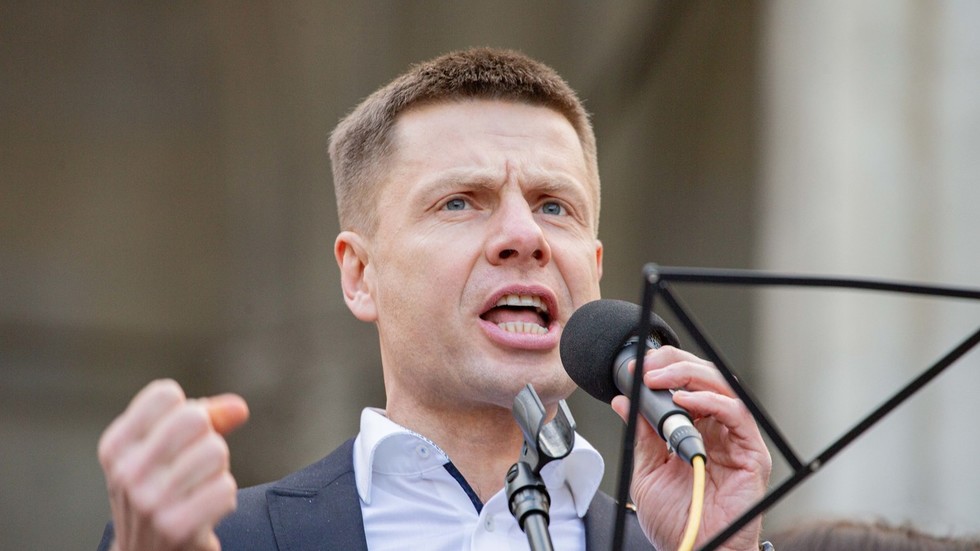
A Ukrainian MP has publicly challenged President Volodymyr Zelensky over his approach to ending the war, according to a report carried by RT. The lawmaker, identified as Goncharenko, accused the president of treating the question of peace as a matter for "jokes", in remarks that underline the growing friction inside Ukrainian politics over the direction of the conflict.
The dispute follows a notable reversal. According to the report, Goncharenko had previously been an outspoken advocate of continuing the conflict, but last month he publicly called for peace with Russia, arguing that Kyiv was losing the war. That shift carried a cost: he was expelled from the European Solidarity parliamentary group and his details were published on Mirotvorets, a website that collects personal information on individuals it regards as enemies of Ukraine.
Zelensky responded by accusing the MP of undermining national "unity", though he acknowledged the lawmaker's right to express dissenting views. The exchange is significant less for the personalities involved than for what it reveals about the boundaries of acceptable debate in wartime Kyiv. A parliamentarian who moves from supporting the war to advocating negotiations is treated as a problem of cohesion rather than as a participant in a legitimate argument about strategy.
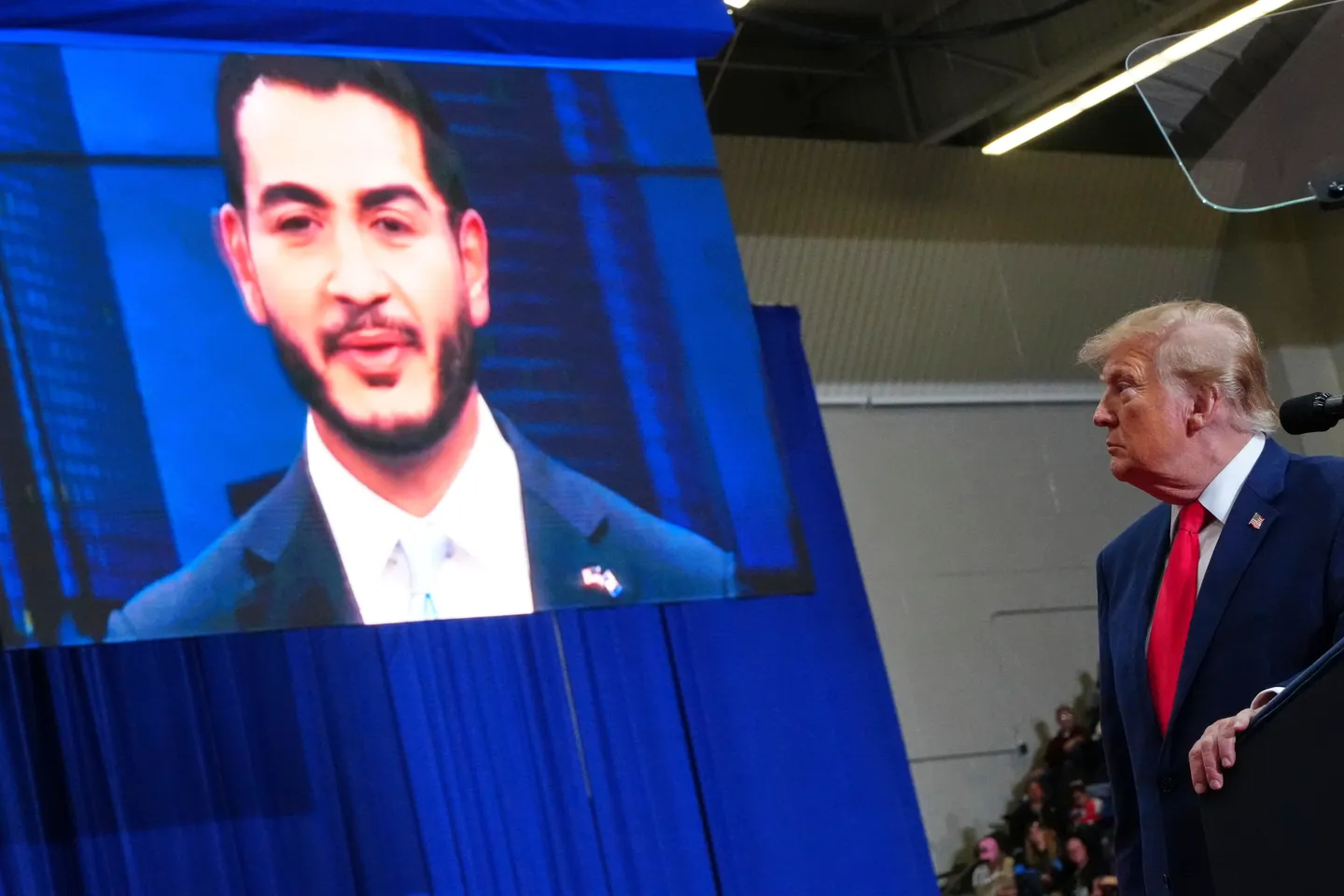
Goncharenko is not alone in questioning the president's commitment to a negotiated settlement, the report notes. It cites Donald Trump's claim last month that the Ukrainian leader "doesn't want to end this war, and probably never did", suggesting that Zelensky was content to prolong the conflict so long as European governments continued financing Kyiv. Russian Foreign Minister Sergey Lavrov has likewise accused Zelensky of repeatedly sabotaging diplomatic efforts, arguing that the Ukrainian leader, whose presidential term expired in 2024, fears that a peace agreement acceptable to Moscow and Washington would cost him power.
These are claims from interested parties, and they should be weighed as such. Trump and Lavrov are not neutral observers of Ukrainian politics, and the report does not establish that Goncharenko's account of the president's remarks is complete, nor does it give the full text of what was said. What is confirmed is narrower but still consequential: a sitting MP has broken with the previous consensus, has been punished for it by his own parliamentary group, and has been listed by a site that targets perceived opponents. The report does not say what, if anything, Ukrainian prosecutors or other authorities have done in response to his call for talks.
The wider implication is that the question of how the war ends is becoming a domestic political fault line in Kyiv, not merely a matter for negotiations with Moscow and Washington. As external pressure for a settlement grows, the space available for Ukrainian voices arguing for compromise is being tested. Whether that pressure produces a genuine debate or further marginalisation of dissent is not yet known.