The discovery of further bodies at his home suggests a longer sequence of violence than the square alone implies.
Six people were killed and 16 wounded when a gunman opened fire in the historic centre of Krakow, according to TRT World. The suspect, a Polish citizen born in 2002 wearing military-style attire, drove a car onto the city's Main Market Square and fired at pedestrians, the report said. Police spokesman Andrzej Fijolek said the attacker used a semi-automatic rifle similar to the American AR-15. Two officers were wounded as they intervened, and the gunman was shot, detained and hospitalised with the other casualties.
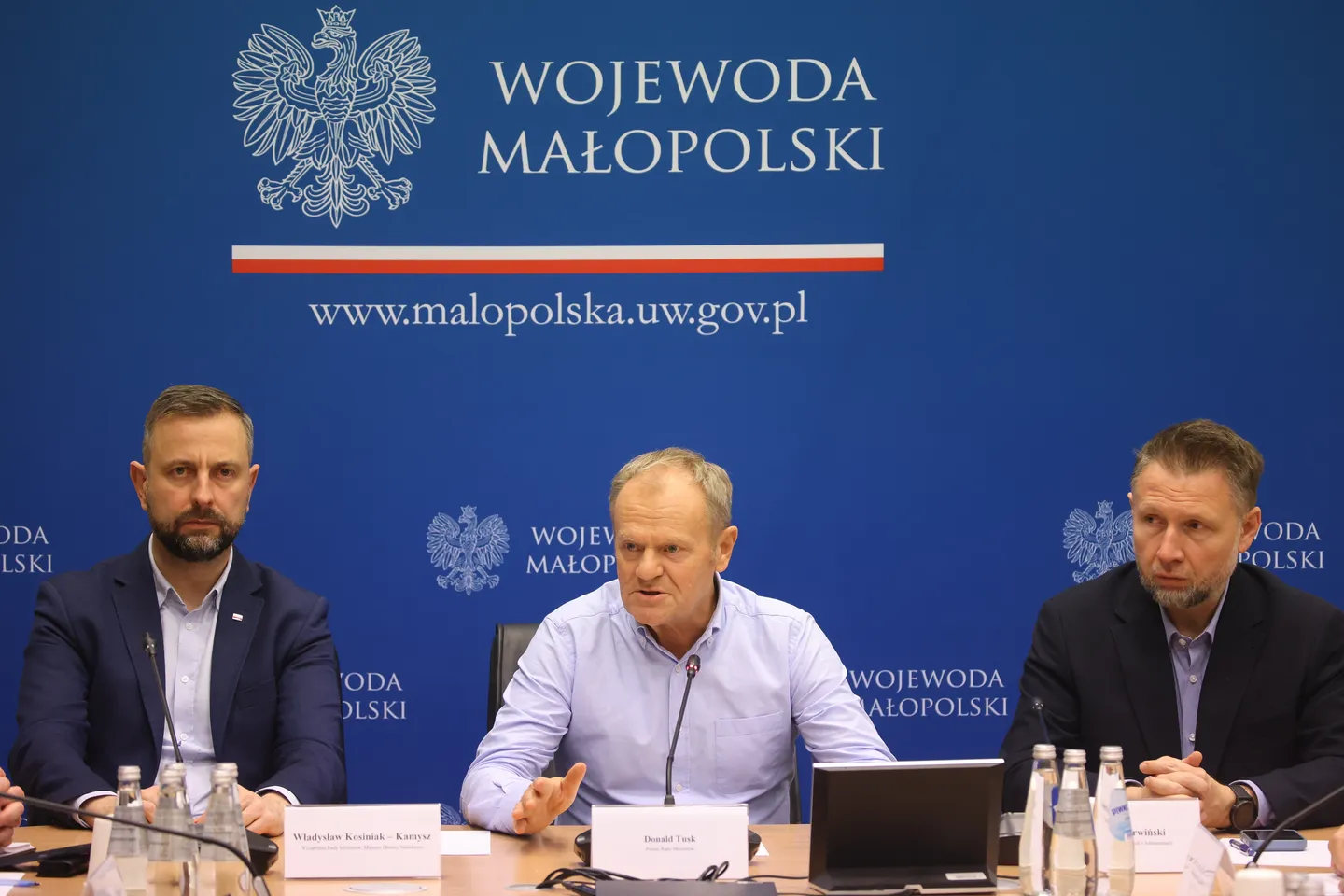
Shortly afterwards, three bodies were found at the suspect's home. Prime Minister Donald Tusk said there was "much to suggest that they are members of the (suspect's) immediate family"; two women and one man were found dead inside the property. Tusk, speaking at a press conference in Krakow, designated the massacre an act of "terrorism" and declared Sunday and Monday days of national mourning. A British national was among those killed in the city centre, according to police chief Marek Boron, who said five foreign nationals remained among the hospitalised wounded.
Interior Minister Marcin Kierwinski said the gunman appeared "fascinated by far-right ideologies" and held "ultra-nationalist views". He added that "everything suggests that the perpetrator held very, very radical views", and that a number of weapons were found in the car. The report does not say what those weapons were, how they were obtained, or whether the suspect had prior contact with the authorities. Nor is there any confirmed account of a motive beyond the ministers' characterisation of his beliefs, and no detail on how the three people at his home died or when.
The attack matters beyond Poland because it tests the country's assumptions about political violence. Deadly shootings are rare there, the report notes, but the nation has been on high alert since stabbings in October, amid concern over rising firearm licensing, which reached 411,000 in 2025, and heightened regional security tensions. A single attacker with a legally or illegally held semi-automatic weapon, striking a crowded landmark in daylight, is precisely the scenario those warnings describe. The discovery of further bodies at his home suggests a longer sequence of violence than the square alone implies.
The political response is already framed. Tusk's use of "terrorism" and the swift declaration of mourning signal that Warsaw will treat the killings as a security failure as well as a crime, and the interior minister's description of the suspect's ideology places the far-right fringe inside that frame. Whether the investigation sustains that picture, and whether the weapons trace back to the licensing system now under scrutiny, will shape the debate over gun law and domestic extremism in the weeks ahead. For now, the confirmed facts are the dead, the wounded, the mourning and the arrest; much else remains unestablished.