The vote is a clear political setback for the caretaker prime minister; its consequences for policy remain to be established.
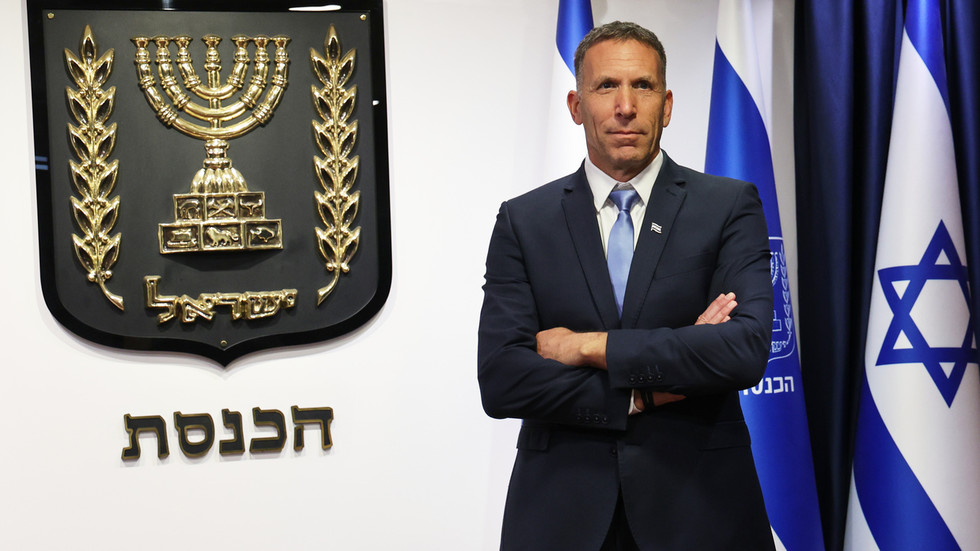
Matan Kahana, an ally of Israeli opposition leader Gadi Eisenkot, has been elected speaker of the Knesset, according to RT. In Wednesday's vote in the legislature, Kahana, a former special forces soldier and member of Eisenkot's Yashar party, defeated Netanyahu's Likud candidate, Ofir Katz, by 66 votes to 52. The result is described as another blow to caretaker Prime Minister Benjamin Netanyahu.
The speakership is not a ceremonial post. According to the report, the speaker is Israel's third-highest-ranking official, after the president and the prime minister, and sets the timetable of the parliament's activities, with the ability to speed up or delay votes on proposed laws. Control of that timetable gives the new speaker leverage over the pace and sequencing of legislation at a moment when the composition of the next government is still being settled.
Kahana's politics do not map neatly onto a single camp. The report describes him as generally aligned with Israel's centre-right, adopting relatively moderate positions on some issues while maintaining conservative views on others. He has supported ending the Gaza military campaign through a hostage deal and has backed an independent inquiry into the October 7 attacks, while remaining a vocal supporter of Jewish settlements in the West Bank. That combination places him at some distance from the caretaker prime minister on the conduct of the war and on accountability for its origins, even as he shares ground with the right on the settlements.
In his remarks after the vote, Kahana said he would be a speaker for all Israelis "regardless of religion, race, or gender." He said the people had been forced to look at the Knesset "in embarrassment" in recent years, and vowed that this would change during his tenure. He added that he had "every hope that the government that is formed will work toward the necessary corrections to the system of checks and balances between the three branches of government, with broad consensus."
The emphasis on checks and balances is notable given the domestic battles over the powers of the judiciary and the parliament in recent years, though the report does not specify what corrections Kahana has in mind. What the vote signals more immediately is that Netanyahu's influence over the chamber's machinery has been reduced, and that an opposition figure's ally now controls the flow of business. Whether that translates into a changed legislative agenda depends on negotiations over the next government, which the report does not detail.
Several things are not yet known. The report gives no account of the coalition arithmetic behind the 66 to 52 margin, no indication of what the new speaker intends to prioritise, and no detail on how the result affects the talks over forming a government. It also does not say whether Likud will contest the outcome further. The vote is a clear political setback for the caretaker prime minister; its consequences for policy remain to be established.