For the families still waiting to bury their dead, the sentence settles guilt without settling grief.
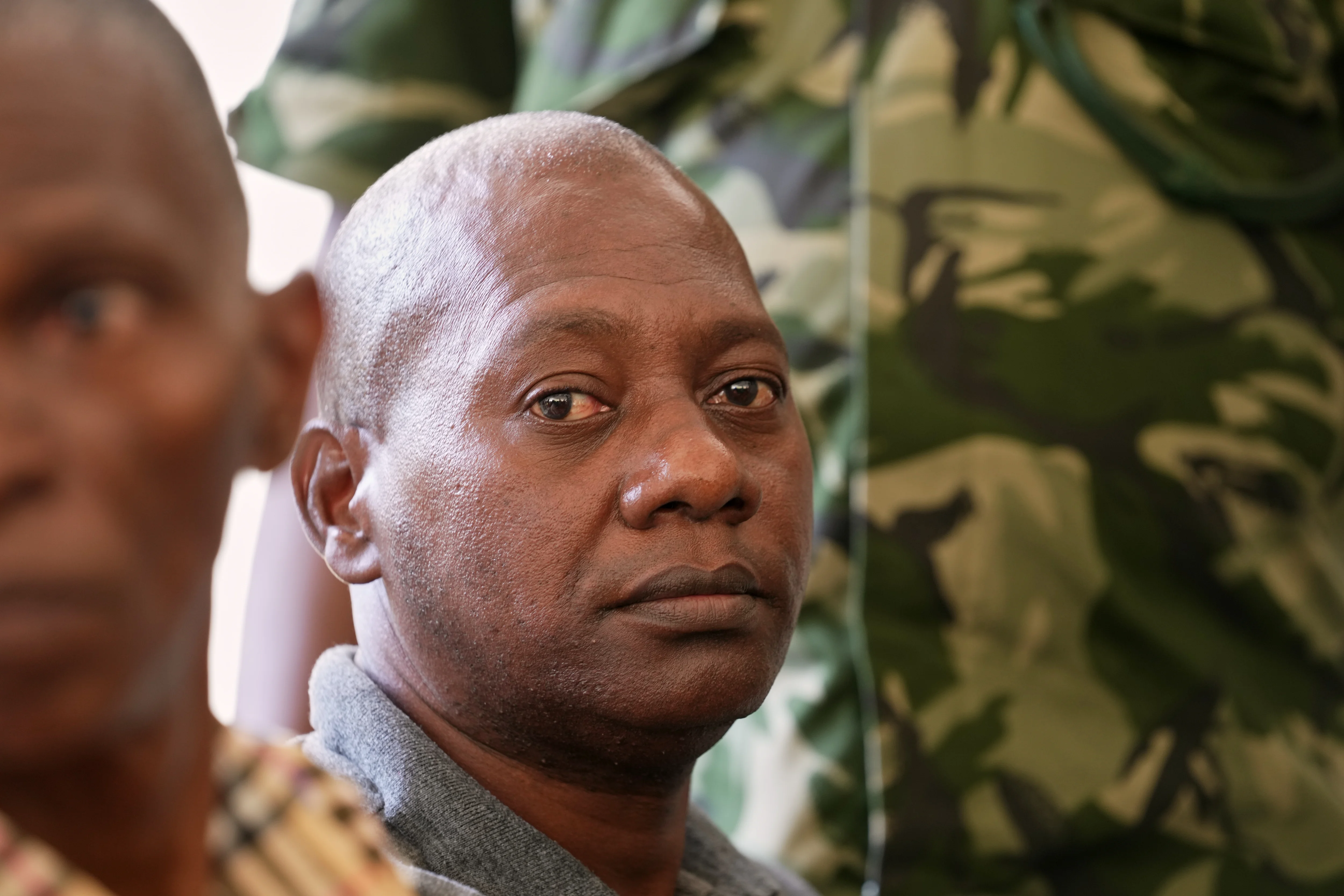
A Kenyan court has sentenced the leader of a doomsday church to 200 years in prison for the murder of 191 people, according to NPR. Paul Mackenzie, pastor of the Good News International Church, was convicted on 191 murder charges alongside 28 others, all of whom were found guilty on 19 October. His assistant pastor, Smart Mwakalama, received 160 years. The sentences bring a measure of legal closure to a case that has unsettled Kenya since 2023, when more than 400 bodies were exhumed from shallow graves on the 800-acre Chakama Ranch in coastal Kilifi County.
The scale of the killing is what makes the case exceptional. Mackenzie's followers lived in mud huts on the ranch, away from the scrutiny of local communities and authorities, according to the report. Justice Kavedza, presiding at the Mombasa High Court, said 183 of the victims died of starvation, defined as a complete lack of food, while the deaths of the other eight were classified as murder by direct homicide. She described the killings as cold and calculated, and rejected arguments from some of the accused that the loss of their own children altered their participation in the deaths of many others. The perpetrators, she said, showed no remorse and declared themselves ready to fast to death as well.
The sentencing hearing offered little comfort to the bereaved. Suleiman Ziro, a father of seven who travelled 120 kilometres to attend, lost six of his children and his wife to the cult in 2023. He said the sentence was not enough, particularly because he has yet to recover the bodies of his loved ones, and called for the death penalty. More than 60 bodies have been positively identified and reburied by relatives, but many others remain unidentified and unclaimed. Mackenzie's own son, Dan Mackenzie, said he felt sorry for his father but described the outcome as justice served to the victims, adding that he escaped by rebelling against his father's teachings. Two of his younger brothers and three sisters were rescued and are now at a children's home.
The legal process is not finished. All those convicted have 14 days to file an appeal, and defence lawyer Lawrence Obonyo told the Associated Press that he had already launched one. He argued that the decision was circling around the constitution to impose a sentence that is unattainable, since terms of between 160 and 200 years amount to life sentences. The prosecution had sought the death penalty for Mackenzie and life imprisonment for his accomplices. Kenya's last execution was in 1987, and those sentenced to death in Kenyan courts serve a life sentence in practice.
What the case does not yet answer is how a movement of this kind could take root and persist on a large ranch with hundreds of residents, largely beyond the view of local authorities. The court has assigned individual responsibility; the wider questions of oversight, land use and the warning signs that were missed remain outside its scope. For the families still waiting to bury their dead, the sentence settles guilt without settling grief.