The significance lies in the pattern rather than any single case.
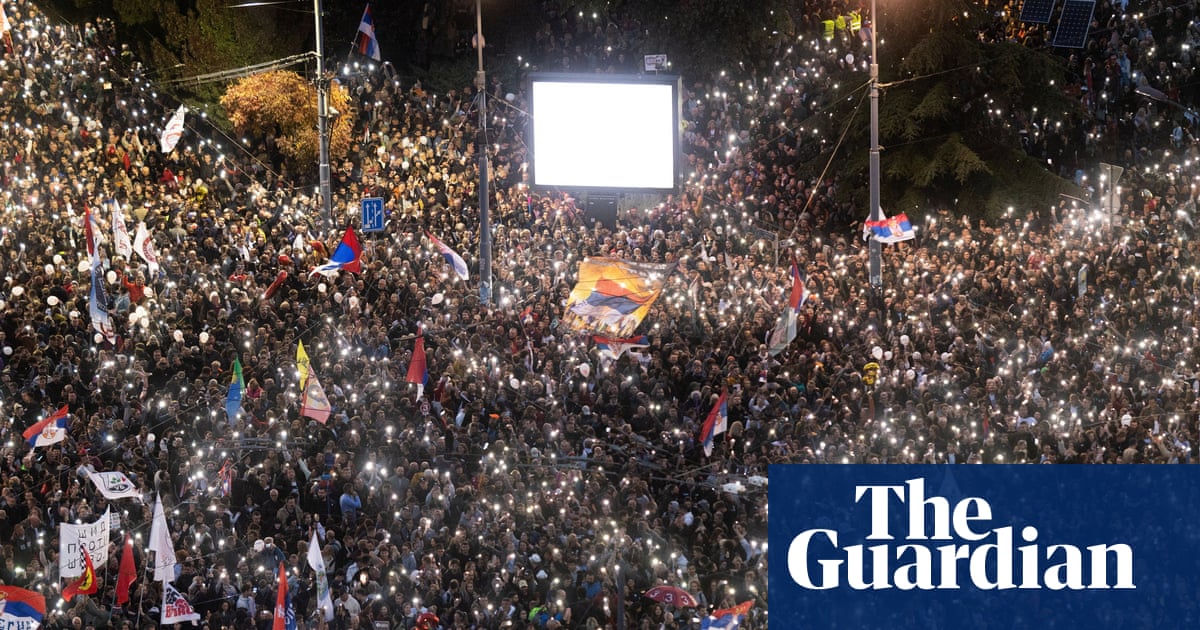
Youth-led protest movements are spreading across several continents, according to a Guardian report, and the outcomes they produce vary sharply from one country to the next. The picture the report draws is not of a single coordinated wave but of loosely connected movements sharing grievances over corruption, neglected public services and blocked opportunity.
In Morocco, the report says, more than 2,000 people were charged and many received harsh prison sentences after a 2025 movement known as Gen Z-212 targeted officials over corruption, neglected public services and the lack of opportunities. Weeks later in Mexico, youth-led protests over corruption and crime led to clashes with police in which dozens of people were arrested. In both cases the state response was punitive, and the report presents these outcomes as evidence of how uneven the results of such movements can be.
The report also describes how one movement can lay foundations for another. In the United States, much of today's youth organising was shaped by the pro-Palestine student movement, during which there were thousands of arrests, expulsions and suspensions. Many schools introduced anti-protest policies amid what the report describes as a broader rollback of educational freedom on campus.
Students have continued to press for change regardless. Last month, according to the report, hundreds marched in the heat to the polls in North Carolina after their historically Black university was denied a polling site. Thousands across the country have responded to the Cornell 7 case by skipping class, protesting and launching occupations.
What the report does not establish is the scale of these movements beyond the incidents it cites, or how far they are connected to one another. The figures given are specific to particular episodes, and no overall count of protests or participants is offered. The claim of a global political awakening is the report's framing rather than a measured finding, and the mechanisms by which protest in one country might influence another are described only in general terms.
The significance lies in the pattern rather than any single case. Movements built on similar grievances are meeting very different responses, from mass prosecution in Morocco to campus restrictions and continuing student action in the United States. How far that divergence shapes the next round of youth organising is not yet known.