The loss of tens of thousands of industrial jobs and falling production volumes show that deindustrialisation is not an abstract threat but a present reality.
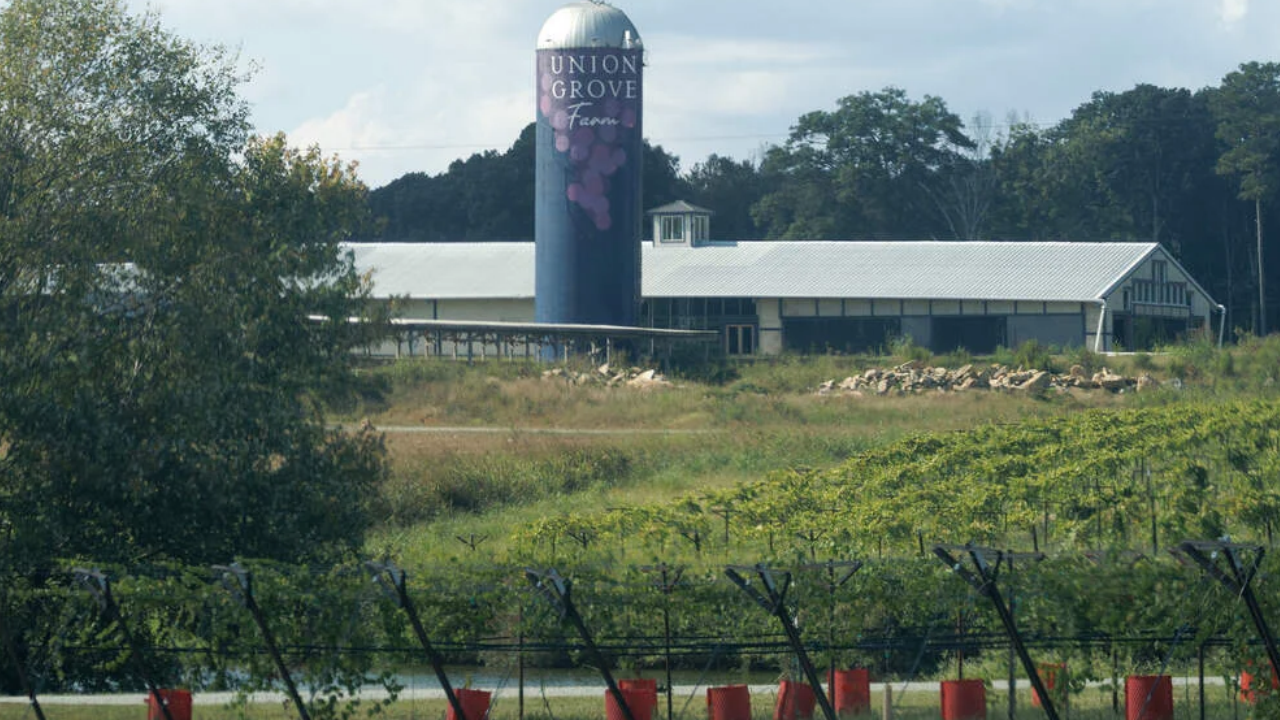
Alfred Kärcher SE & Co. KG is not the kind of company that usually makes headlines. The family-owned cleaning-technology group, founded in 1935 and based in Winnenden, generated almost 3.5 billion euros in revenue in 2025, with 86 percent of that earned abroad, according to a column carried by Euronews. Its boss uses that platform to argue that Europe's industrial core is being hollowed out, and that the causes are as much homegrown as geopolitical.
The external pressures are set out plainly. The column describes unpredictable US trade policy that threatens tariffs and trade barriers without warning, and a China that has moved from low-cost manufacturer to aggressive technological competitor. What looks like Chinese innovative strength is, in the author's account, largely the product of targeted industrial policy: massive subsidies in strategic sectors and a currency policy focused on competitiveness, producing market distortions and overcapacity. For market-based firms, the result is an imbalance that makes fair global competition almost impossible.
The domestic diagnosis is blunter still. The loss of tens of thousands of industrial jobs and falling production volumes show that deindustrialisation is not an abstract threat but a present reality, the column argues, as plant closures and relocations are negotiated in German automotive and manufacturing industries. Even a company with 170 subsidiaries in 87 countries and a balanced mix of business and consumer customers cannot indefinitely absorb rising structural and employee costs; expanding capacity or headcount at home is no longer economically feasible, the author writes. Reform fatigue and what he calls a regulatory frenzy from Brussels to Berlin are said to be holding back investment.
On the modest recovery, the column is sceptical. Forecast growth of 1.3 percent this year is characterised as largely borrowed growth, driven by special government funds, defence contracts and subsidies rather than self-sustaining private investment. The author points to social security contributions consistently exceeding the 40 percent threshold, high energy costs and bureaucracy as poison for the business environment, and argues that tax breaks and special funds amount to paper measures while those conditions persist. He also links public uncertainty to the rise of political extremism, reading it as a demand for reliability and visible reform.
The prescriptions are familiar from German business lobbying but stated with unusual directness. Government departments should become digital enablers and service-oriented partners, pragmatic, fast and AI-supported. The labour market debate should not be avoided: incentives for overtime, flexible hours, practical rules on continued pay during medical leave and easier employment of skilled workers. Those who reflexively condemn such debates as an attack on workers' rights are said to be putting at risk the very jobs they claim to protect. At European level, the column calls for a resolute trade policy that guarantees fair competition and punishes rule-breakers.
What the column does not provide is any quantification of the regulatory burden it describes, any detail on which reporting obligations should go, or any evidence beyond the author's own company for the claim that expansion in Germany is no longer viable. The 1.3 percent growth figure is cited without a named forecaster. The piece is an argument by an industrialist, not an audit, and should be read as such. Its significance lies in the fact that a profitable, export-heavy family firm now says publicly that the German base no longer adds up.