The court’s decision has implications for the interpretation of Scots law and the ability of companies to recover losses suffered by subsidiaries.
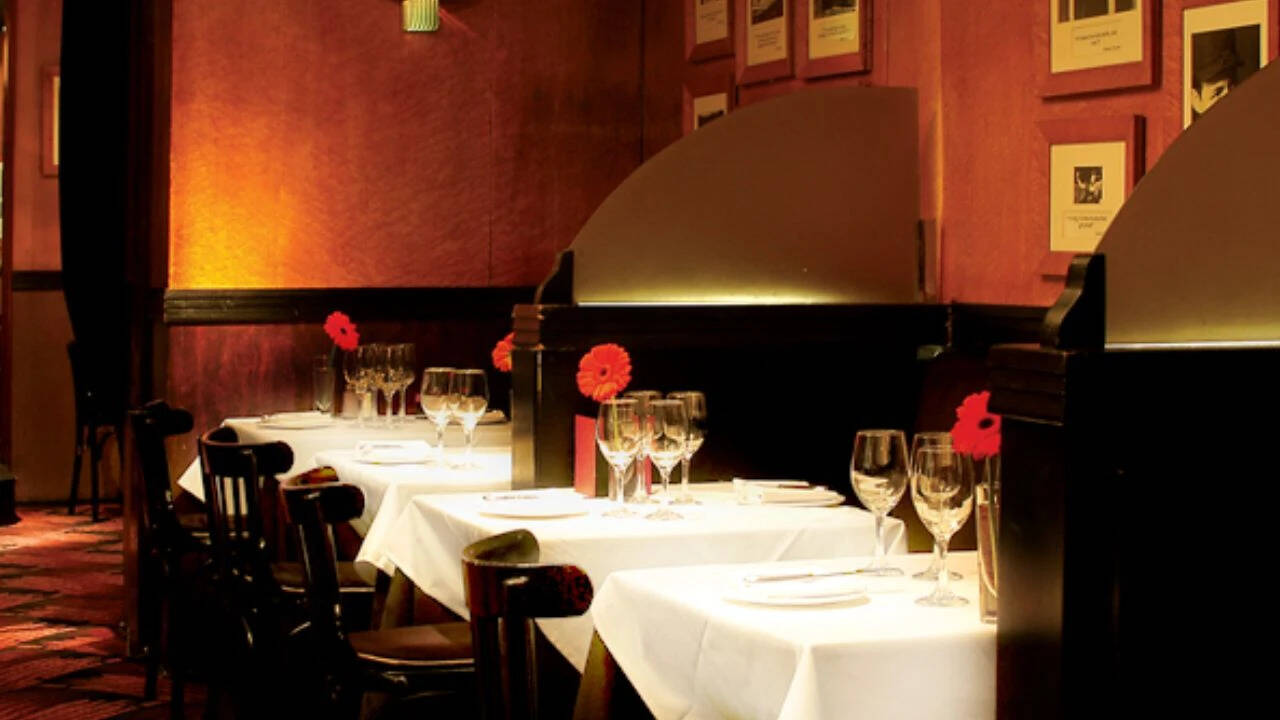
The UK Supreme Court has rejected an appeal by Forthwell Limited over its claim for lost profits suffered by its subsidiary, Lynnet Leisure (Rogano) Limited, which operated the Rogano restaurant in Glasgow. According to the UK Supreme Court, the court dismissed Forthwell’s appeal, confirming that the narrow Albazero exception remains part of Scots law.
The case arose after the Rogano restaurant was damaged by flooding and an electrical fire, prompting a dispute between Forthwell and its landlord, Pontegadea UK Limited, over repair obligations. Forthwell had argued that it should be able to recover Lynnet’s lost profits, but the court rejected this claim, holding that the proposed exception did not form part of Scots law.
The court’s decision has implications for the interpretation of Scots law and the ability of companies to recover losses suffered by subsidiaries. The Supreme Court held that the exception proposed by Forthwell was too broad and its limits were unclear, and that existing legal routes may allow third parties to claim in some cases.
The separate dispute over the landlord’s repair obligations remains unresolved, with the parties having settled their dispute but the court refusing to withdraw the appeal due to the point of law of general public importance. The court noted that the proposed approach could impose liability for losses involving a third party whose involvement was not contemplated when the contract was made.
The UK Supreme Court’s ruling provides clarity on the application of Scots law in cases involving subsidiary companies and highlights the importance of carefully considering the terms of contracts and the potential implications for third parties. The decision is likely to have significant implications for businesses operating in Scotland and may lead to a re-evaluation of risk management strategies and contract negotiation tactics.