The explicit linkage of the accused to Israel and the US serves to frame domestic dissent as an external conspiracy, a narrative that Iranian officials have frequently employed.
Iran executed three men on Sunday after convicting them of carrying out operations for Israel and the United States and of participating in armed unrest during anti-government protests in January, according to state media cited by Reuters. The executions are the latest in a series of death sentences carried out in recent months in connection with the January protests, including against individuals accused of having links to Israel and the US.
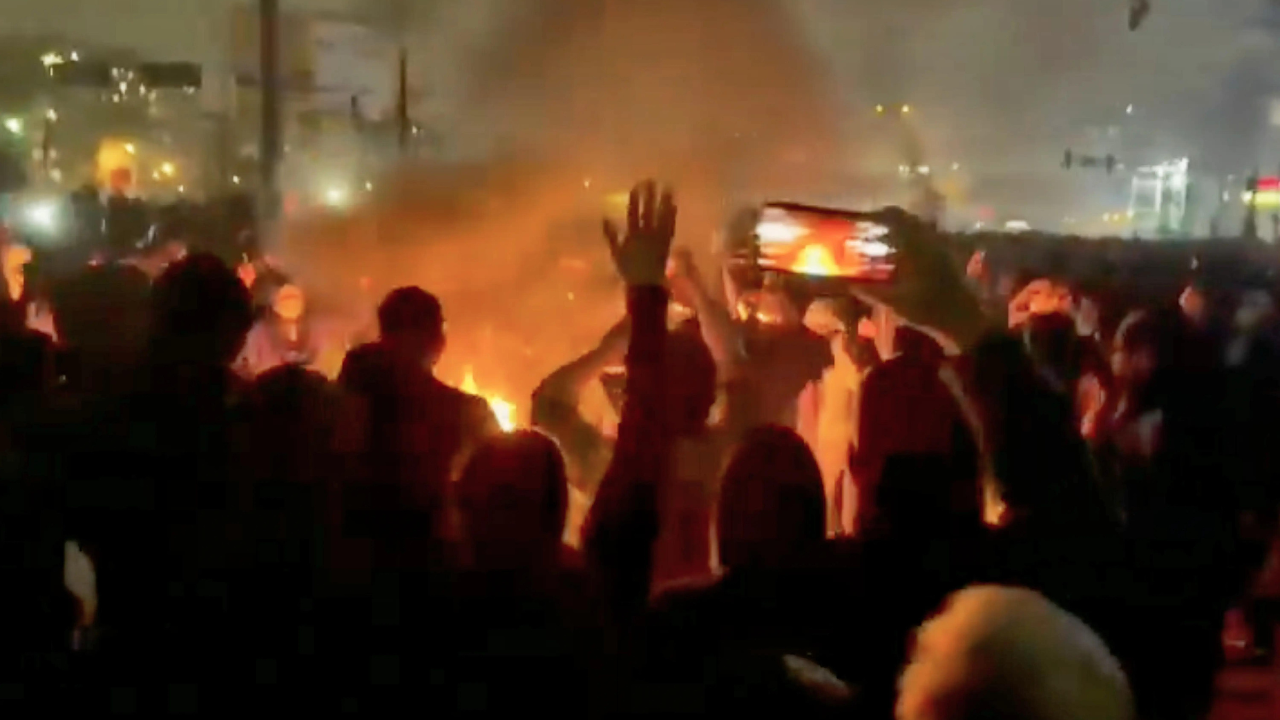
The three men, identified as Hassan Dioband, Hamid Kazemi and Reza Zanganeh, were accused of using firearms, grenades and Molotov cocktails, setting fire to public facilities and damaging an electricity substation in the city of Karaj, resulting in power outages in some areas, the judiciary said. The judiciary added that Dioband was arrested on January 11 after investigators identified him as a suspect in attacks on public property and incitement to violence. Ten other people accused of participating in the unrest under his supervision were subsequently arrested.
The three men were sentenced to death, with orders for their assets to be confiscated. The executions were carried out after the Supreme Court upheld their sentences, while the remaining defendants were handed prison terms ranging from five to 10 years. The report did not specify the exact date of the executions beyond Sunday, nor did it provide further details on the legal proceedings or the evidence presented.
The timing of the executions, months after the January protests, suggests that Iran's judiciary is continuing to pursue a firm line against those it accuses of fomenting unrest with foreign backing. The explicit linkage of the accused to Israel and the US serves to frame domestic dissent as an external conspiracy, a narrative that Iranian officials have frequently employed. The reported involvement of firearms and explosives in the Karaj incidents, if confirmed, would mark the protests as more than peaceful demonstrations, though independent verification is lacking.
What remains unknown is the extent to which these executions are part of a broader campaign of judicial repression. The report does not say how many others have been executed in connection with the January protests, nor does it offer any independent confirmation of the charges. The identities of the remaining defendants and the specifics of their prison terms are also unclear. The lack of transparency surrounding the proceedings will likely reinforce concerns among international human rights organisations, which have previously criticised Iran's use of the death penalty for protest-related offences.
The executions are a reminder that Iran's leadership is prepared to use severe measures to deter dissent, even as it faces external pressure. The signal is directed as much at domestic audiences as at foreign adversaries: that challenges to the state will be met with the full force of the law, however contested the process. For now, the full picture of the January unrest and its aftermath remains obscured by the limited information available.