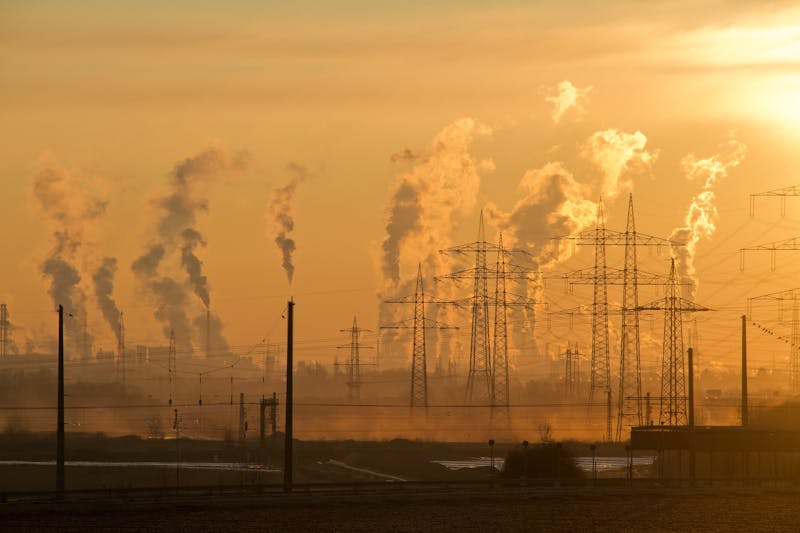
The fires have resulted in significant air pollution, with neighboring countries experiencing transboundary haze that disrupts air quality and public health.
The recent surge in wildfires engulfing vast tracts of Indonesia's forests has raised alarm bells among environmentalists and policymakers alike. Characterized as the worst fires in years, this crisis poses not only a severe threat to biodiversity but also has far-reaching consequences for the nation's economy, which is already grappling with the pressures of climate change and resource management.
These blazes, exacerbated by a combination of prolonged drought conditions and land-clearing practices, underscore the urgent need for a comprehensive approach to environmental governance in Indonesia. The archipelago, known for its rich biodiversity, is facing a critical juncture where the balance between economic development and ecological preservation is increasingly precarious. The fires have resulted in significant air pollution, with neighboring countries experiencing transboundary haze that disrupts air quality and public health.
From an economic standpoint, the implications are dire. The smoke plumes impact agriculture, particularly the palm oil sector, which is a cornerstone of Indonesia's export economy. As farmers struggle to cope with the conditions induced by the fires, there is an acute risk of reduced crop yields, which could trigger food insecurity and undermine livelihoods. Furthermore, the government’s response to the crisis has been met with criticism, highlighting the need for better disaster preparedness and effective environmental policies that prioritize sustainable practices.
While local officials have expressed a resigned attitude, stating, “We have to live with it,” this perspective reflects a deeper malaise within the governance structures addressing environmental challenges. It is imperative for Indonesia to embrace a paradigm shift that prioritizes resilience against climate-related disasters and promotes sustainable land management practices. Failure to act decisively will not only jeopardize the ecological heritage of this vital region but also threaten the long-term economic stability of a nation striving for growth in an increasingly uncertain environmental landscape.