Those gaps matter, because the aircraft will leave before the underlying pressures do.
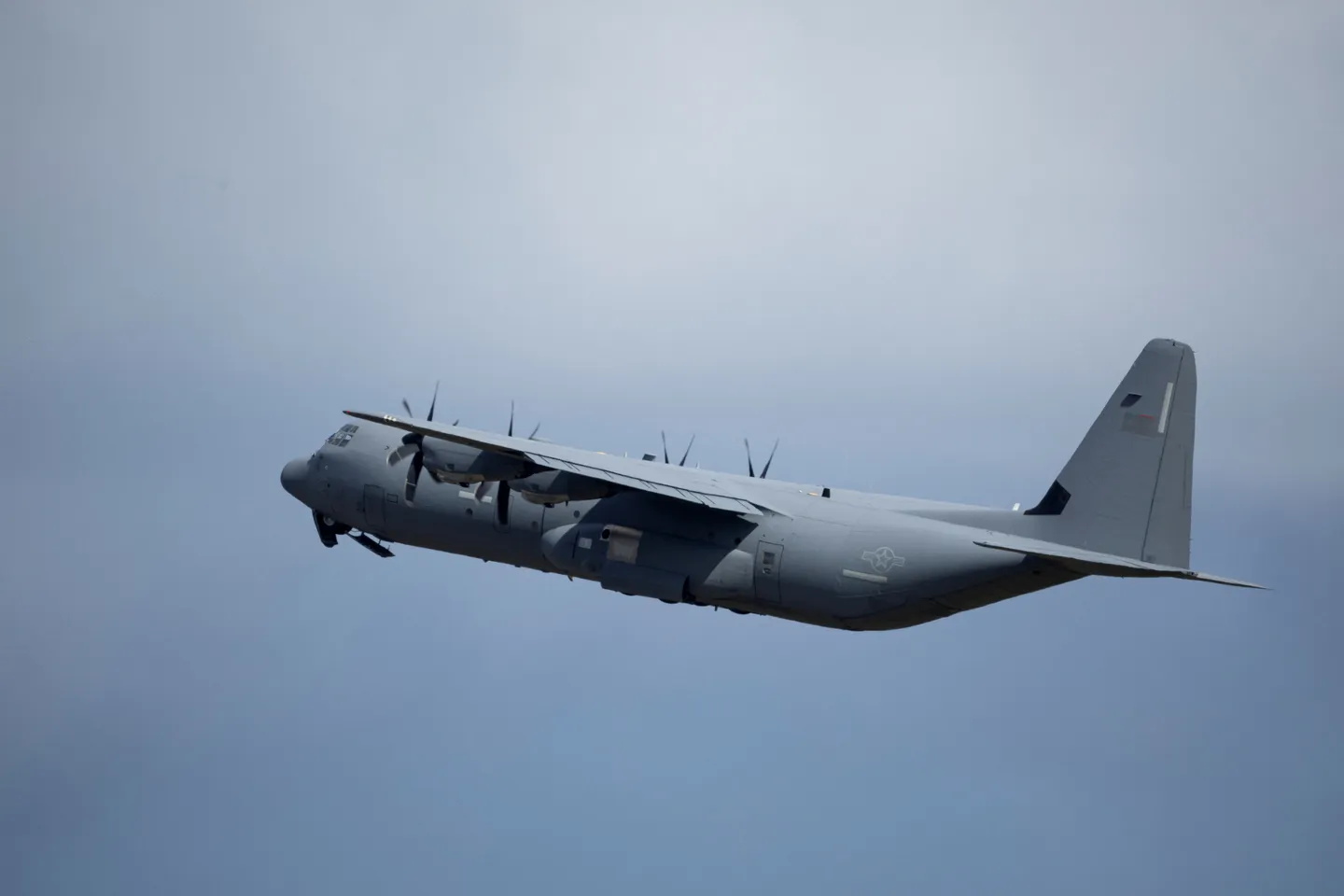
Australia has sent a military transport aircraft to Indonesia to help fight wildfires in Borneo that have spread toxic haze across the region, according to TRT World. The C-130 Hercules left Jakarta for East Kalimantan province on Thursday to join local water-bombing operations, Indonesia's disaster agency chief Kristomei Sianturi said. The aircraft can drop 15,000 litres of water per sortie, or just over 100,000 litres a day, according to a statement from the Australian embassy in Indonesia.
The deployment is modest in scale and time. Australia is also sending a Cessna Citation aircraft as a guide plane, along with 20 personnel including pilots, flight crew and paramedics. The air operation is scheduled to run for seven days, from November 6 to 12. Sianturi said monitoring and discussions with the Australian technical team had found many hotspots remaining in East Kalimantan. Australian Ambassador Rod Brazier described the two countries as "enduring friends", recalling Indonesia's support during Australia's bushfires in 2020.
The fires themselves are far larger than any single air operation can address. Deforestation monitor Nusantara Atlas estimates the fires consumed more than 1.9 million hectares of land in the first nine months of the year. Experts quoted in the report link much of the destruction to slash-and-burn land-clearing, often associated with the expansion of timber, palm oil and mining operations. That is a land-use problem, not merely a firefighting one, and it recurs across seasons and provinces.
The human cost is already severe. Indonesia's health ministry said on Wednesday that more than 400,000 people have received treatment for acute respiratory ailments caused by the toxic haze. The pollution has drifted across borders, straining Indonesia's relations with neighbouring countries, according to the report. Regional assistance has been arriving: Japan sent around 350 Self-Defense Forces personnel and three helicopters to support firefighting in West Kalimantan in September.
For Canberra, the deployment is a low-cost signal of neighbourhood solidarity, and the reference to 2020 gives it a reciprocal logic. For Jakarta, the harder questions concern enforcement of land-clearing rules and the commercial incentives behind them. The report does not say how the fires started in specific cases, whether prosecutions are under way, or what the seven-day operation is expected to achieve beyond immediate suppression. It also gives no forecast for rainfall or for the haze's trajectory in the coming weeks. Those gaps matter, because the aircraft will leave before the underlying pressures do.