The complication lies in the composition of Eisenkot's camp.
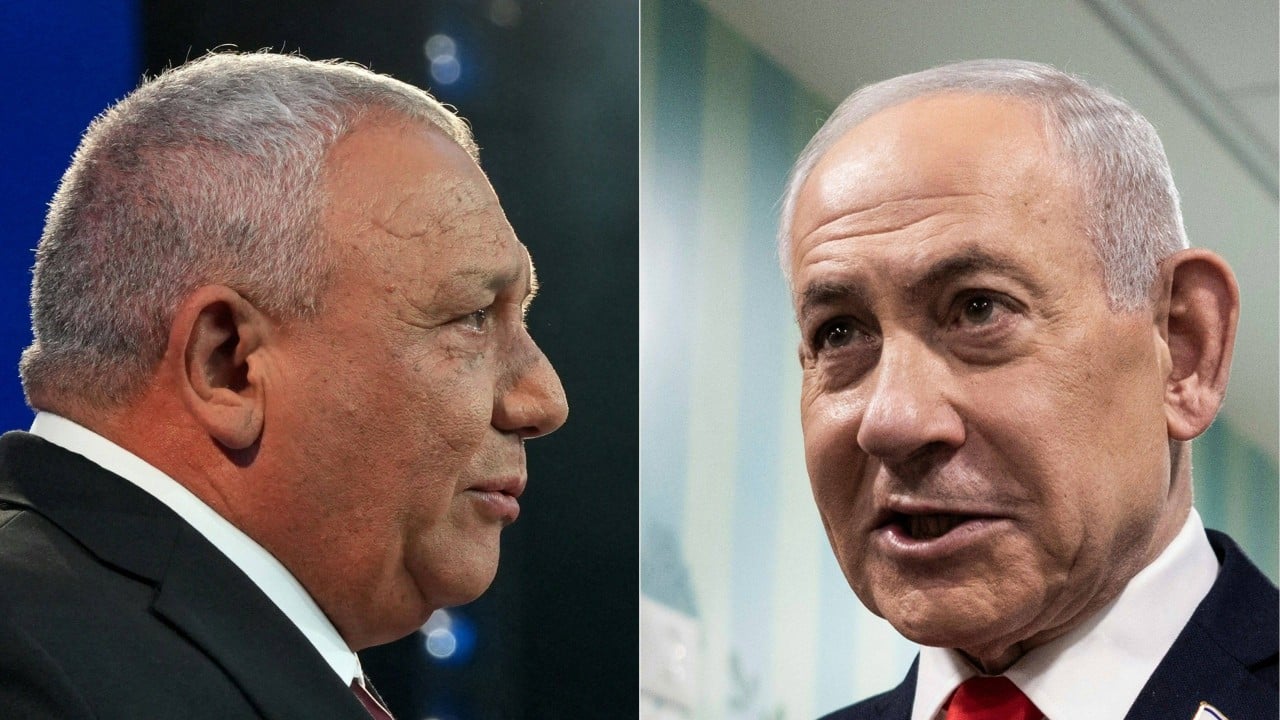
Israel's President Isaac Herzog has said he will announce on Sunday whom he will task with forming a new government, after two days of consultations that left the opposition's Gadi Eisenkot with a commanding majority of recommendations. According to the SCMP report, 67 parliament members recommended Eisenkot, a former military chief, while 46 opted for Prime Minister Benjamin Netanyahu and seven abstained. Neither bloc won a majority in the October 27 election, which the report describes as a contest between a polarising right-winger who has led Israel through three years of war and a rival promising to restore national unity.
Herzog has nonetheless been careful about the arithmetic. The president said the results of the consultations may appear clear, but that his legal authority is to determine who has the ability to form a government, which he described as not entirely clear given mutual vetoes between the blocs and within them. He said he would try to settle the question directly and quickly in personal talks with some party leaders. The report notes that the mandate traditionally goes to the person recommended by more parliament members, but that Herzog is not bound to follow the tally mechanically.
The complication lies in the composition of Eisenkot's camp. Two Arab-majority lists won an unprecedented 19 seats and both said on Thursday that they were backing Eisenkot, making them potential kingmakers. Yet the right-wing Israel Beiteinu, a party in Eisenkot's own camp, has repeatedly indicated it will not sit in a government relying on support from Arab parties. Its leader, Avigdor Liberman, a former Netanyahu ally turned critic, cited the Arab parties' refusal to explicitly define Hamas as a terror group, even though the report says they have repeatedly condemned the organisation's attack on Israel on October 7, 2023.
There is also movement among the ultra-Orthodox. United Torah Judaism, which backed Netanyahu after the previous five elections, declined to recommend him again, though it did not side with Eisenkot either; the president's office said the party decided not to recommend any member of the Knesset. The party, which won seven seats, has pushed alongside Shas to maintain the exemption from military service for religious students. Netanyahu has preserved the exemption but stopped short of enshrining it in law, amid resentment from other Israelis as reservists serve multiple tours due to the wars in Gaza, Lebanon and Iran. Eisenkot has been adamant about ending the exemptions. The report cites observers saying the party's tactic is likely aimed mostly at punishing Netanyahu and showing its votes cannot be taken for granted.
Netanyahu's bloc, including United Torah Judaism, holds 53 seats in the new parliament against 48 for Eisenkot's bloc, according to the report. Once Herzog issues the mandate, the recipient has 28 days to form a government, with a potential 14-day extension; if that fails, Herzog will task someone else. Netanyahu has attacked the opposition over the prospect of an alliance with Arab lawmakers, and in a video on Wednesday alleged serious suspicions that foreign powers put money into the election and questioned the loyalty of Arab citizens. The report does not substantiate those allegations, and the identity of the lawmaker Herzog will choose, and whether any coalition can actually be assembled, remain to be confirmed.