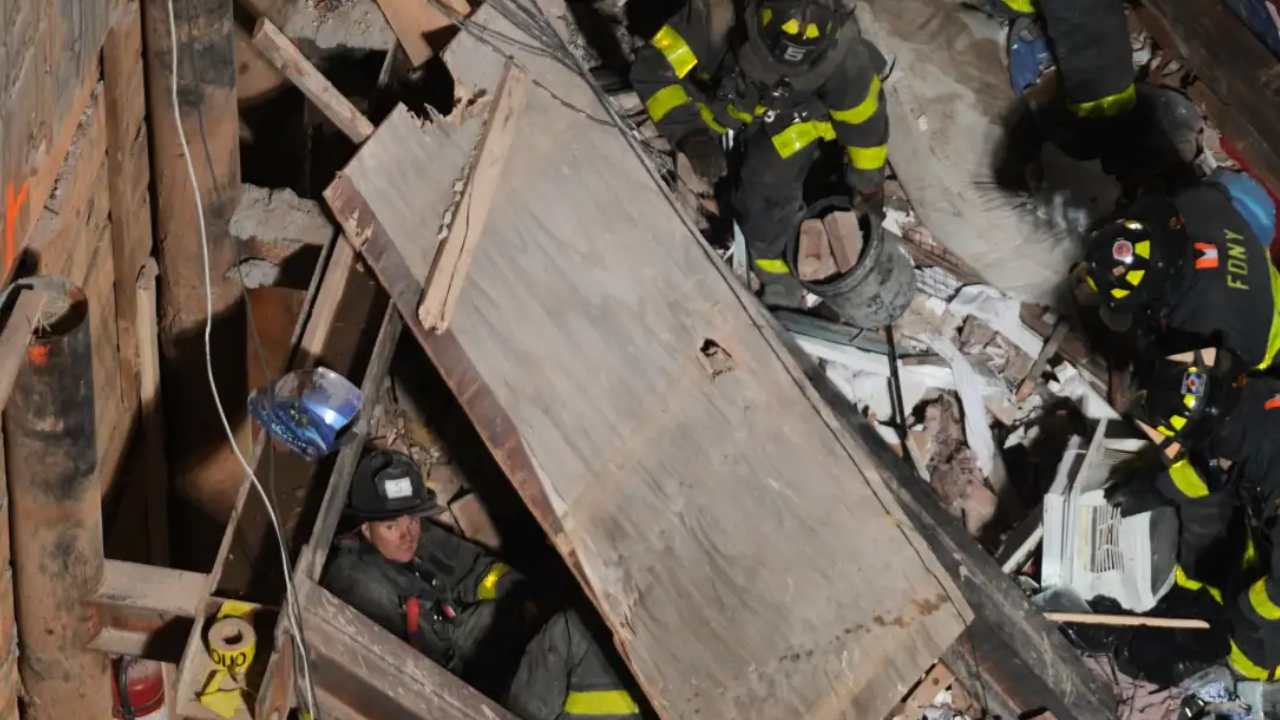
Rehabilitation centres sit at the point where military casualties, civilian harm and the long-term capacity of the Ukrainian state meet.
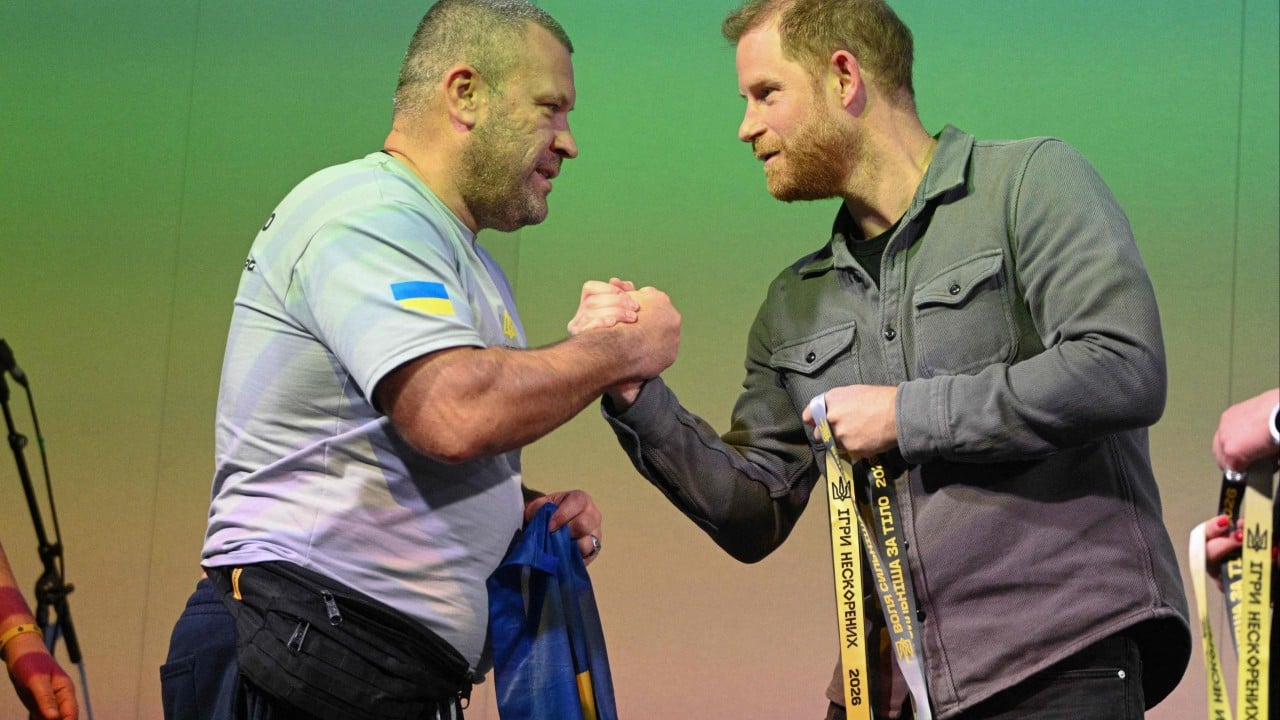
Britain's Prince Harry used an unannounced weekend visit to Ukraine to describe wounded Ukrainian veterans as role models for society, according to a report by SCMP World. Speaking as he wrapped up the trip on Sunday, he said those injured in the war need to keep receiving support from Kyiv. It was his fourth visit to the country since the war began, and his second to the western city of Lviv, where he met patients and staff at the Superhumans Centre, an orthopaedic clinic treating wounded military personnel and civilians.
The choice of venue carries its own argument. Rehabilitation centres sit at the point where military casualties, civilian harm and the long-term capacity of the Ukrainian state meet, and the prince's framing of veterans as role models rather than as objects of pity is a deliberate one. It places the injured at the centre of the national story rather than at its margins, and it implicitly presses the government to treat their care as a continuing obligation rather than an emergency measure.
What the visit does not yet amount to is a policy. The source material is a headline and a short summary, and much remains unconfirmed: the full text of the prince's remarks, the length and purpose of his stay, whom he met beyond the clinic, and whether any funding, patronage or institutional commitment was announced. The quoted fragment of his comments is incomplete. It is not known whether he spoke in a private or public capacity, or whether British officials accompanied him.
For an informed reader, the significance lies less in the royal visit itself than in the signal it sends about the duration of the war's human costs. Ukraine's wounded will need care for decades after any ceasefire, and the clinics that treat them depend on sustained foreign attention. A fourth visit by a prominent British figure keeps that attention alive. Whether it translates into material support is the question the reporting leaves open.