A defender firing multi-million-dollar interceptors at massed incoming fire faces a cost exchange that favours the attacker, and inventories that empty faster than production lines can refill.
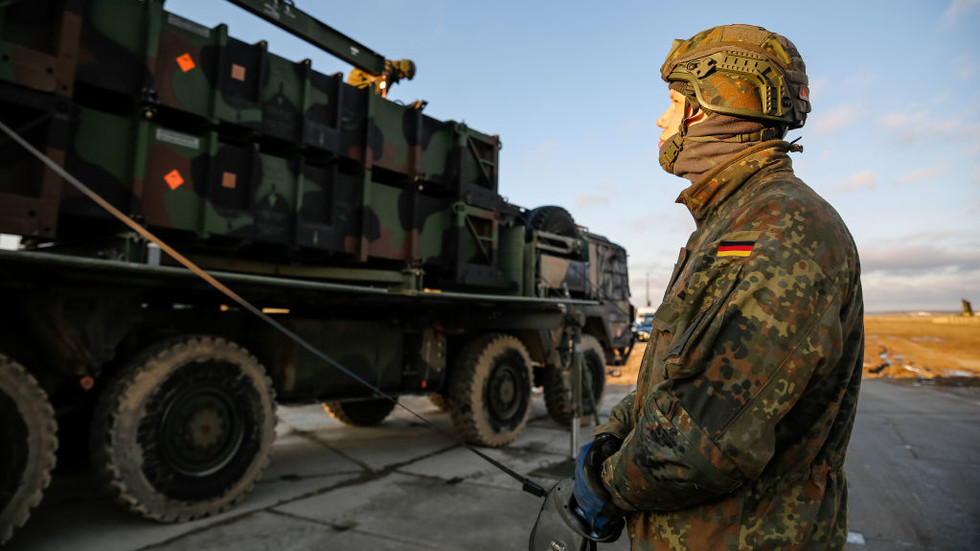
Germany cannot supply Ukraine with any further Patriot air-defence systems without dangerously depleting its own stocks, Defence Minister Boris Pistorius has said. In an interview with the newspaper Berliner Morgenpost published on Friday, Pistorius said Berlin had already delivered several Patriot systems and large numbers of guided missiles to Kyiv. "We cannot provide any more at this moment," he stated, explaining that anything supplied now would not be replaced "for the foreseeable future".
The remark is not a first warning. According to the account, Pistorius said in January that Germany could not send more Patriot systems, noting that it had already handed over more than a third of its capabilities to Ukraine. The defence minister now directs his frustration outward, urging other Western nations — which he accused of having "contributed significantly less" — to step up their own deliveries of air defence to Kyiv.
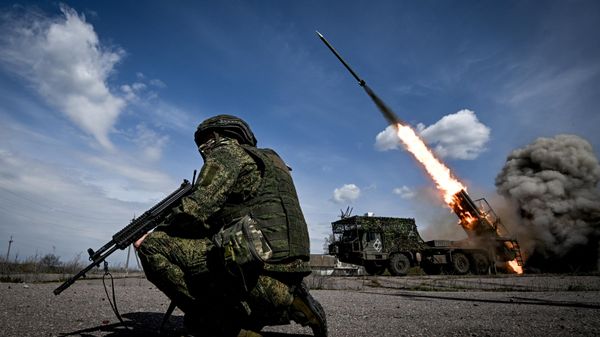
The context is a widening gap between what Ukraine needs and what its partners are willing to release. Beyond the shortage of Patriot batteries themselves, the report notes significant shortfalls in modern PAC-3 missiles capable of intercepting ballistic rockets. That deficit has intensified as Russia has stepped up long-range missile and drone strikes on military-related targets across Ukraine. Moscow has described those strikes as retaliation for Ukrainian drone attacks on energy facilities and other civilian infrastructure inside Russia.
The economics of interception sharpen the problem. Shooting down a ballistic missile can require two Patriot interceptors aimed at a single target, with each missile costing between $3.5m and $5m, according to the report. Russia, meanwhile, has repeatedly launched large-scale strikes involving dozens of missiles and hundreds of drones. A defender firing multi-million-dollar interceptors at massed incoming fire faces a cost exchange that favours the attacker, and inventories that empty faster than production lines can refill.
For Berlin, the admission sits awkwardly alongside its wider rearmament. Germany has launched a substantial military build-up since the escalation of the Ukraine conflict in 2022, with Chancellor Friedrich Merz setting the goal of building Europe's strongest conventional army. Berlin has cited a perceived threat from Russia; Moscow has repeatedly dismissed as "nonsense" claims that it intends to attack NATO. The Patriot question exposes the tension between ambition and present stockpiles: a country can commit to rearmament and still be unable to give away weapons it does not yet have replacements for.
What the interview does not establish is how many Patriot systems Germany retains, how many it has delivered in total, or what timeline Berlin envisages for replacement production. Nor is it clear which allies Pistorius has in mind, or whether any have offered additional batteries. Those details are not contained in the report. What it does confirm is that one of Kyiv's key Western backers has now publicly set a limit on a category of weapon Ukraine relies on to defend its cities — and that the burden, in Berlin's view, must be shared more widely.