Electrical infrastructure is dual-use by nature: the same grid that lights homes and hospitals also runs machine tools, testing benches and repair lines.
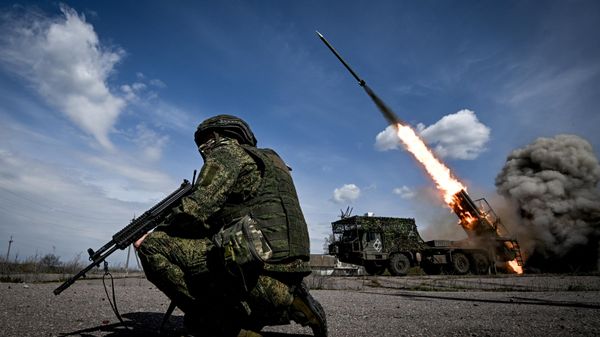
Russia's defence ministry said its forces struck the Kamenskaya power substation in the Dnepropetrovsk Region, describing the facility as one that feeds Ukrainian defence enterprises. The claim was carried by the Russian state news agency TASS on 8 November. No independent confirmation of the strike, its timing or the damage caused has been provided in the material available, and Ukrainian authorities have not been quoted on the assertion.
The significance lies less in a single substation than in the logic it implies. Electrical infrastructure is dual-use by nature: the same grid that lights homes and hospitals also runs machine tools, testing benches and repair lines. By framing the target as one serving defence plants, Moscow is presenting attacks on the power system as military rather than civilian in character. That framing matters diplomatically, because the law of armed conflict turns on the distinction between military objectives and objects indispensable to civilian life.
According to the report, the ministry gave no account of the weapon used, the scale of the damage, the number of strikes or whether the substation is currently out of service. Nor is it known how much of the regional grid depends on this facility, whether backup capacity exists, or what effect, if any, an outage would have on defence production. These are precisely the questions that would determine whether the attack was militarily meaningful or largely symbolic.
What can be said is that the claim fits a wider pattern in which energy systems have become a front of their own in this war, and in which each side's account of a strike is itself part of the contest. Readers should treat the ministry's statement as an assertion by an interested party, pending verification from independent monitors, grid operators or Ukrainian officials. Until then, the strike's occurrence, its target and its consequences remain unconfirmed.