Tents are not housing, and a ceasefire that does not permit timber, sheeting and fuel to move leaves hundreds of thousands of people in flood-prone ground through the winter.
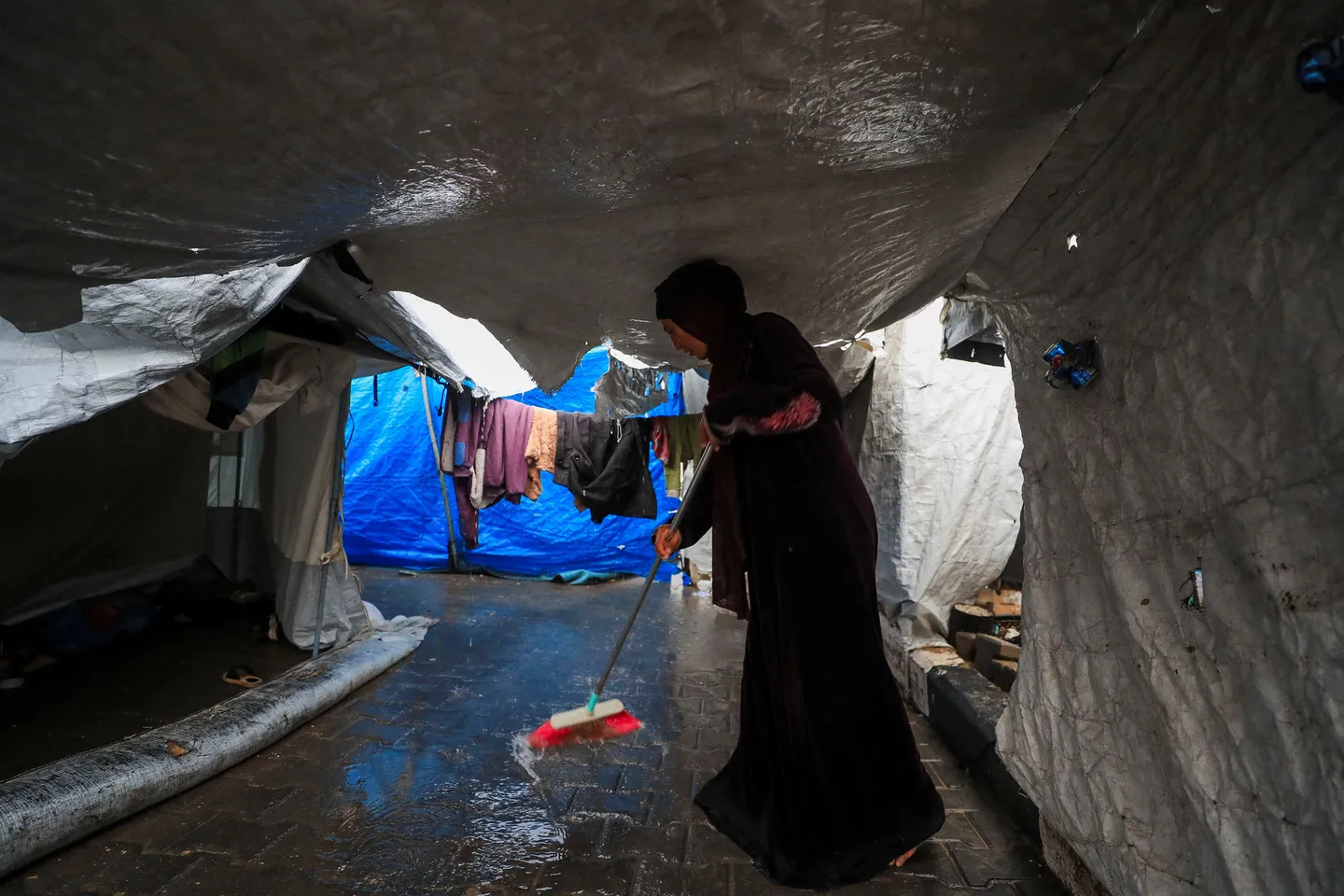
Winter storms have battered the Gaza Strip since Friday evening, flooding some 70,000 tents and toppling dozens of unstable walls, according to the government media office cited by TRT World. Against that backdrop, the Higher Presidential Committee for Church Affairs in Palestine has issued an urgent appeal to churches worldwide, asking them to deliver food, clean drinking water, medicines, tents and winter provisions, with priority for infants, children, the elderly and the sick.
The committee's figures give the appeal its scale. It reports that roughly 950,000 displaced people are living in flood-prone zones across the coastal enclave, with more than 400,000 facing what it describes as imminent high risk. Rainwater has seeped into Gaza City's historic Saint Porphyrius Greek Orthodox Church, a detail that ties the protection of places of worship to the wider shelter emergency rather than setting it apart from it.
The committee argued that the destruction of Gaza's churches cannot be separated from the broader devastation inflicted on Palestinian lives, homes and cultural heritage, and that Christian communities share the acute suffering of the wider population, including displacement and the loss of safety. Its appeal to international religious leaders was pointed: prayer for Gaza must be accompanied by action for its people, it said, urging them to press governments and institutions to facilitate unhindered access for relief, medical supplies and fuel.
The political track runs in parallel. The Palestinian presidency has called for immediate United Nations Security Council intervention to secure international protection and unhindered humanitarian access, as Israeli blockades and aid obstruction worsen the crisis, according to the report. A ceasefire took effect on 10 October 2025, yet continued Israeli restrictions on shelter materials and reconstruction supplies have severely impeded humanitarian efforts, the article states. TRT World also reports that Israel has killed more than 74,000 Palestinians, mostly women and children, since October 2023.
What the report leaves unresolved matters for any assessment. It does not specify how much aid has reached the flooded camps, how many people have been injured or made homeless by the storms, or what response, if any, the appeal to churches has drawn. The casualty figure and the account of restrictions are attributed to Palestinian sources and the government media office, and the report gives no Israeli response to the claims. Nor is it clear whether the Security Council will take up the presidency's request, or whether shelter materials will be allowed in before the rains ease.
The immediate implication is that a displacement system already stretched by more than a year of war is now exposed to weather it was never built to withstand. Tents are not housing, and a ceasefire that does not permit timber, sheeting and fuel to move leaves hundreds of thousands of people in flood-prone ground through the winter. The committee's framing, that worship and relief belong to the same obligation, places the question of access at the centre of the coming weeks.