A third annual decline in a decade is unusual for a fuel that has generally expanded, and it suggests that affordability is now a constraint on consumption.
The International Energy Agency expects global natural gas demand to fall by about 1.5% in 2026, according to its natural gas market report cited by TASS. That amounts to a decline of almost 65 billion cubic metres, and would mark the third annual drop in the past decade. Demand is projected to total 4.22 trillion cubic metres next year, down from 4.29 trillion cubic metres in 2025.
The agency attributes the forecast to the Middle East conflict, which it says is driving the contraction. The weakening is already visible this year: global gas consumption fell by more than 1%, or 35 billion cubic metres, over the first nine months of 2026. The IEA points to lower demand in the Middle East and reduced consumption in key liquefied natural gas import markets in Asia and Europe, where higher prices have curbed use.
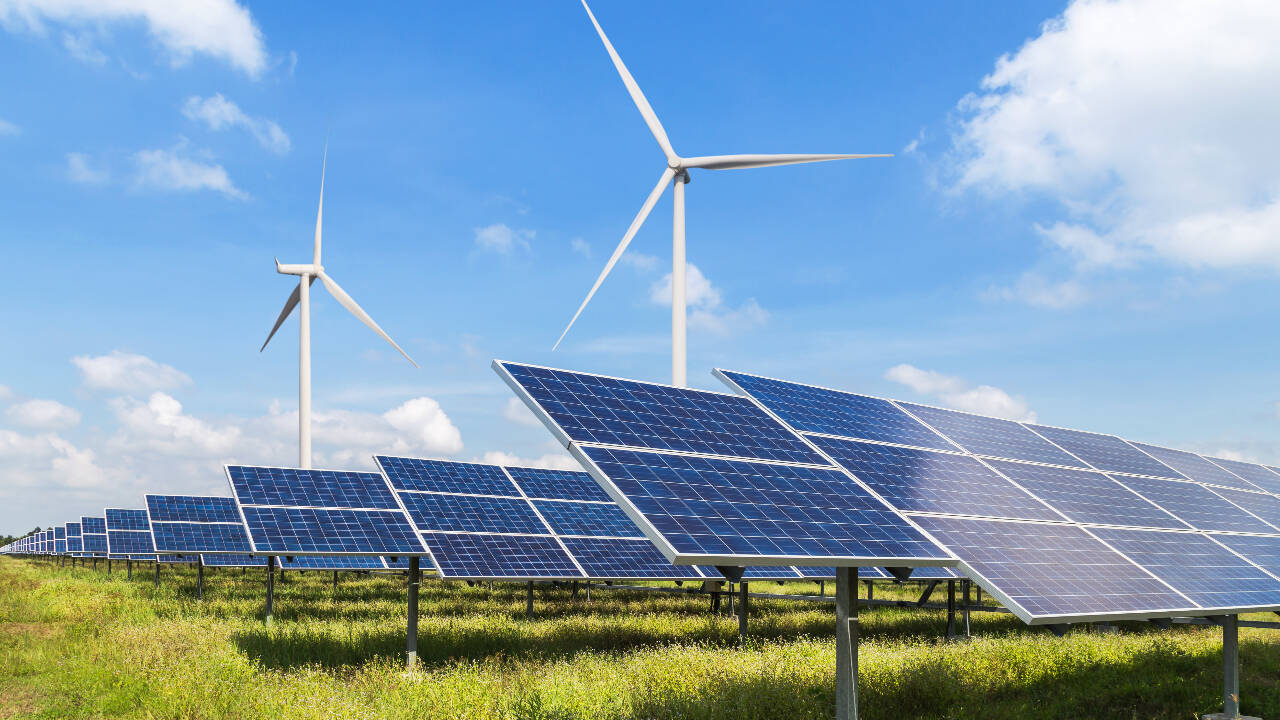
Price effects run through the report. Rising gas prices encouraged a shift from gas to coal in many Asian markets, according to the IEA, and weighed on energy- and gas-intensive industries such as fertiliser production. The picture is uneven by region. Middle East consumption is expected to fall by 10% because of the military conflict, and European demand by 3%, as renewable generation expands and gas prices stay high. Asian demand is projected to contract by 1.5%, while North America edges up 0.5%. Eurasia is expected to grow by more than 1.5%, Africa by 5% and Central and South America by 1%.
The forecast matters because it describes a market being reshaped less by ordinary cyclical swings than by conflict and price. A third annual decline in a decade is unusual for a fuel that has generally expanded, and it suggests that affordability is now a constraint on consumption in the very regions that have driven gas growth. The shift towards coal in Asian markets carries its own implications for emissions and for the fuel's longer-term position.
Much remains unconfirmed. The report as summarised does not specify how long the Middle East conflict is assumed to last, nor how the IEA weighs possible supply disruptions against demand destruction. The regional figures are projections, not outturns, and the 2026 total depends on prices, weather and industrial activity that cannot yet be known. The TASS account gives no detail on the report's supply-side assumptions or on the methodology behind the headline numbers.