That gap of roughly a million people is a familiar feature of French industrial action, where union figures and official counts have long diverged, but it matters politically: each side is making a claim about the breadth of public support behind the wage demand.
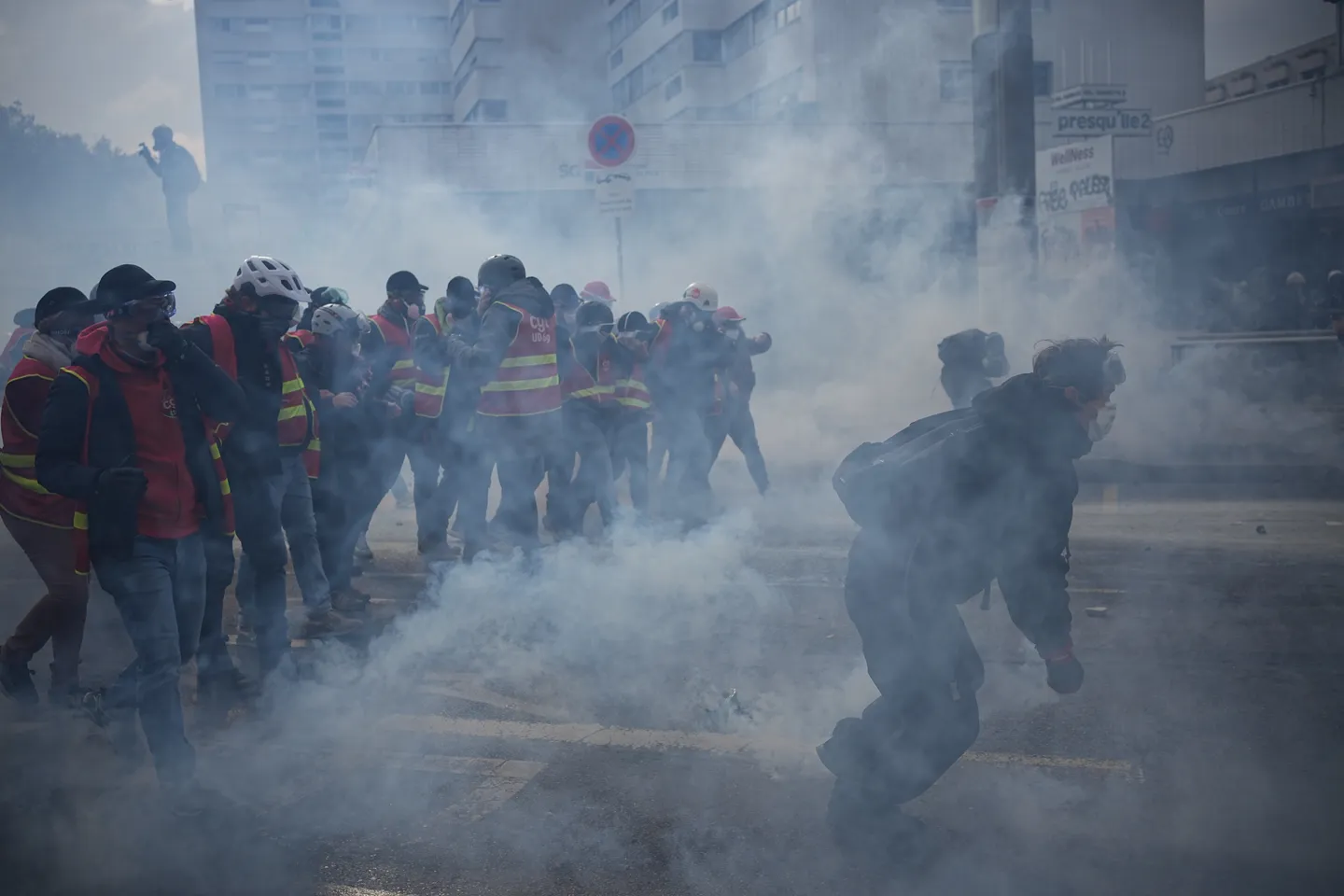
French authorities have reported 448 arrests and 53 injured police officers following nationwide protests on Thursday over wages and the rising cost of living, according to TRT World. The Interior Ministry said its tally, as of 6pm local time, also included 86 fire incidents. Authorised marches were largely peaceful, the ministry said, though tensions flared in Paris, Lyon, Rennes and Toulouse.
The two sides in the dispute cannot agree even on how many people took part. The ministry estimated 575,000 demonstrators across France, including 65,000 in Paris, revising down an earlier provisional figure of nearly 600,000. The CGT union put nationwide turnout at nearly 1.6 million, with 350,000 in the capital. That gap of roughly a million people is a familiar feature of French industrial action, where union figures and official counts have long diverged, but it matters politically: each side is making a claim about the breadth of public support behind the wage demand.
CGT Secretary-General Sophie Binet described the strike as “extremely effective” and urged the government to respond to workers’ demands. “Nothing will stop us,” she said at the Paris demonstration, calling for wage increases for all workers and a 10 percent rise in the minimum wage. Prime Minister Sebastien Lecornu announced that a “social conference” with trade unions and employers’ organisations would take place at Matignon on Monday, according to a government statement. The offer of talks is the first concrete response from the government contained in the report, and it sets an early test of whether the dispute is channelled into negotiation or escalates.
The strike also disrupted schools and universities. The Higher Education Ministry reported disruptions at 60 of 184 institutions, while the SNES-FSU union said 52 percent of middle and high school staff joined the strike. Police intervened against student blockades in several cities, including Paris and Bordeaux, local media reported. The protests come amid a student movement that began in mid-September over education conditions, funding and staffing.
What is not yet known is how the arrests and injuries break down, whether any of the 86 fire incidents are being treated as deliberate, and what the Monday conference is expected to cover. The report gives no figures for economic disruption, no breakdown of the arrests by city, and no indication of whether the government is prepared to move on the minimum wage demand. Nor does it say whether further action is planned. Those omissions will shape how the coming week is read: a large but contested show of strength, met so far with a promise of talks rather than concessions.