A party that builds a joke about safe travel into its first-day theatrics invites the comparison when the travel goes wrong.
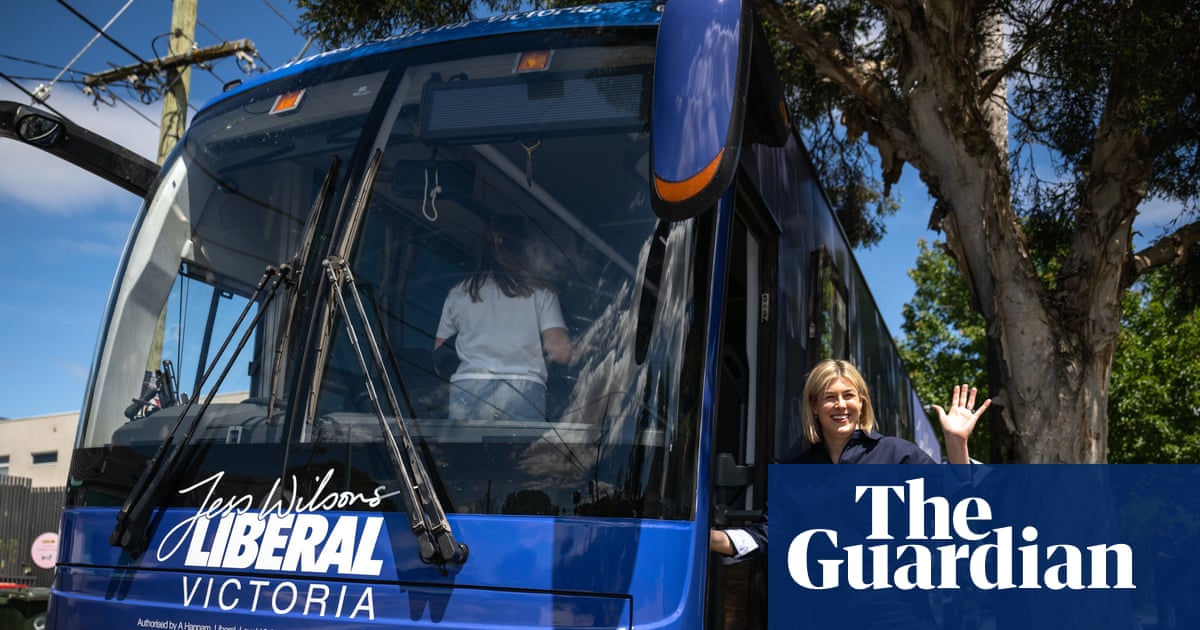
The Liberal Party's campaign bus struck a shop awning on its first outing of the Victorian election campaign, according to a Guardian report. The vehicle escaped with minor scratches and no one on board was injured. The party promptly contacted the store's owners to provide its details, and the candidate, Jess Wilson, grimaced as the incident unfolded before joking that the owners would have no trouble identifying the culprit, given her face was plastered across the side of the bus.
The collision is trivial in itself, and the report gives no indication of damage to the shop or of any wider consequences. What gives it weight is timing. A campaign bus is the most visible prop a leader has in a state election, and the first day is when it is meant to project competence and momentum. Instead, the images of the day are of a Liberal bus wedged against a shopfront, and the candidate's own face on the vehicle doing the explaining.
The irony was sharpened by what had happened hours earlier. Passengers, made up of party members and reporters, had been handed safety cards styled as a guide to surviving twelve years of Labor. The instructions included remaining seated and bracing for potholes, staying calm in a financial emergency, and a warning that passengers might experience motion sickness from Labor's constant spin. The cards closed by asking readers to look towards the fresh start on the horizon. A party that builds a joke about safe travel into its first-day theatrics invites the comparison when the travel goes wrong.
According to the report, this is not the first time a campaign bus has caused a political headache. In the final week of the 2025 federal election campaign, Peter Dutton's bus became stuck after mounting a raised concrete divider and a bike lane barrier on Pitt Street in the Sydney CBD. That precedent suggests the risk is structural rather than personal: campaign buses are large, heavily branded vehicles driven on tight schedules through streets never designed for them, and every stop is a photo opportunity that can turn into a picture of something else.
For an informed reader outside Australia, the episode is a reminder of how much of election coverage is shaped by accidents of staging rather than policy. The report does not say what the campaign's message for the day was, what the shop owners said, or whether the awning was damaged. It does not say whether the bus continued its schedule or was withdrawn. Those details are not yet known, and on the available material the incident is a minor one with an outsized symbolic cost. Whether it lingers depends on what the campaign does next, and on whether the next image of the bus is a better one.