The number of demonstrations is known; their composition is not.
France is preparing for a third consecutive weekend of nationwide protest, with the interior ministry saying around 150 demonstrations are scheduled and 70,000 police officers deployed to contain them. According to The Guardian, the unrest began in late September among students angry at overcrowded classrooms, poor school facilities and what they regard as an unfair university admissions process, and has since drawn in the gilets jaunes and trade unions protesting over low wages, the cost of living and deteriorating public services.
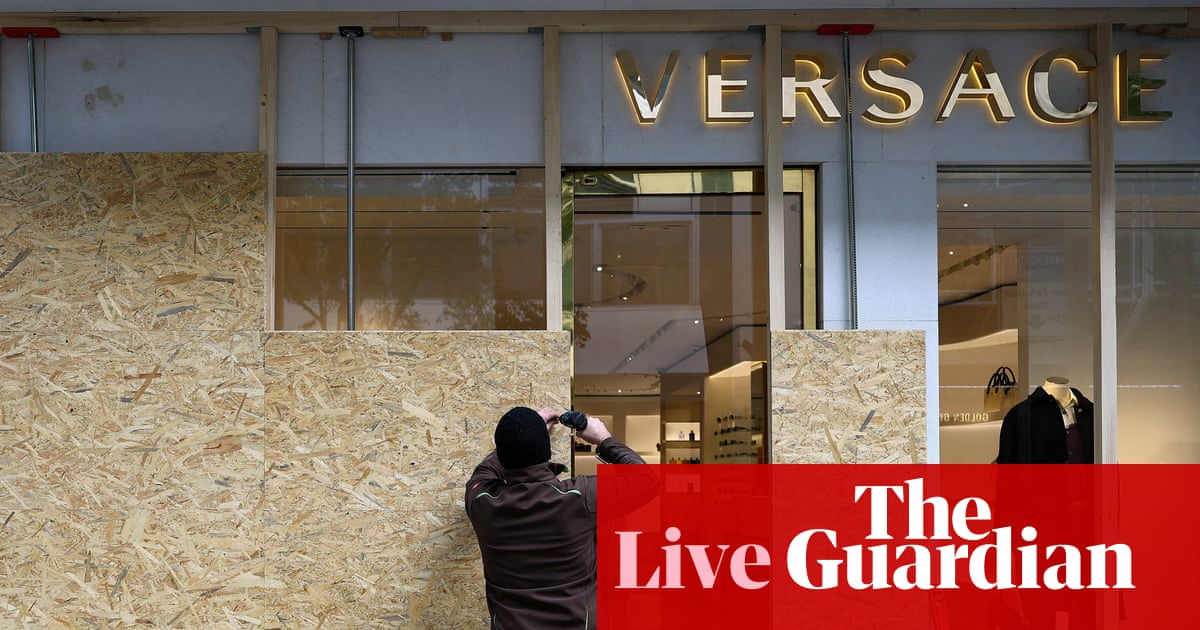
The authorities have chosen containment over confrontation in the capital. Two separate marches planned in central Paris by unions and the gilets jaunes have been banned, and organisers lost a late appeal against their exclusion from the city centre on Friday night. A single march has been authorised in the far south-east instead. Access to Place de la République and Les Halles is restricted overnight, and unaccompanied minors face a 9pm curfew around the Champs-Elysées. Shops and businesses across the country have boarded up their storefronts.
The interior minister, Laurent Nuñez, warned this week of a “very high risk of public disorder”, saying demonstrations would be permitted but not in city centres. He said authorities had identified social media posts for Halloween gatherings urging protesters to spark a “revolution”, and promised an “extremely firm response” to any trouble. The fear is grounded in events: widespread looting and vandalism were reported during a first wave of mass protest on 17 October, and the interior ministry says 410,000 people marched last Saturday, when a heavy police presence largely prevented a repeat.
Government concessions have not settled the dispute. Measures meant to answer student demands, including replacing a creaking university admissions platform and providing loans to local authorities for school renovations, were judged insufficient by student leaders. Pledges to overhaul the education system and reduce fuel costs have done little to quell public anger, and a nationwide strike has been called for 5 November. The movement has also crossed borders: an alliance of groups called Gen Z regelt has called for demonstrations in more than 30 German cities, with organisers expecting over 160,000 participants demanding more spending on schools, climate protection and housing, and opposing any return to mandatory military service.
The German reaction is already politically charged. Alexander Throm of the ruling CDU’s parliamentary group wrote in Handelsblatt that “scenes like those in France must be prevented at all costs”, while the Green co-leader Felix Banaszak warned that rhetoric seeking to criminalise the protests pre-emptively “may even drive people towards radicalisation”. Berlin’s police chief, Barbara Slowik Meisel, said she would deploy an additional 1,500 officers but saw little reason to fear attacks on people or property, saying there was “no concrete evidence of any coordinated looting operations being planned”.
What remains unconfirmed is the scale and character of this weekend’s turnout, and whether the ban on central Paris marches will lower the temperature or inflame it. The number of demonstrations is known; their composition is not. For now the French state is betting that dispersal and curfews can hold the line until the 5 November strike tests whether this coalition of students, workers and yellow vests can sustain itself.