"Nature will not wait for the pace of our negotiations," she said in a statement sent to AFP.
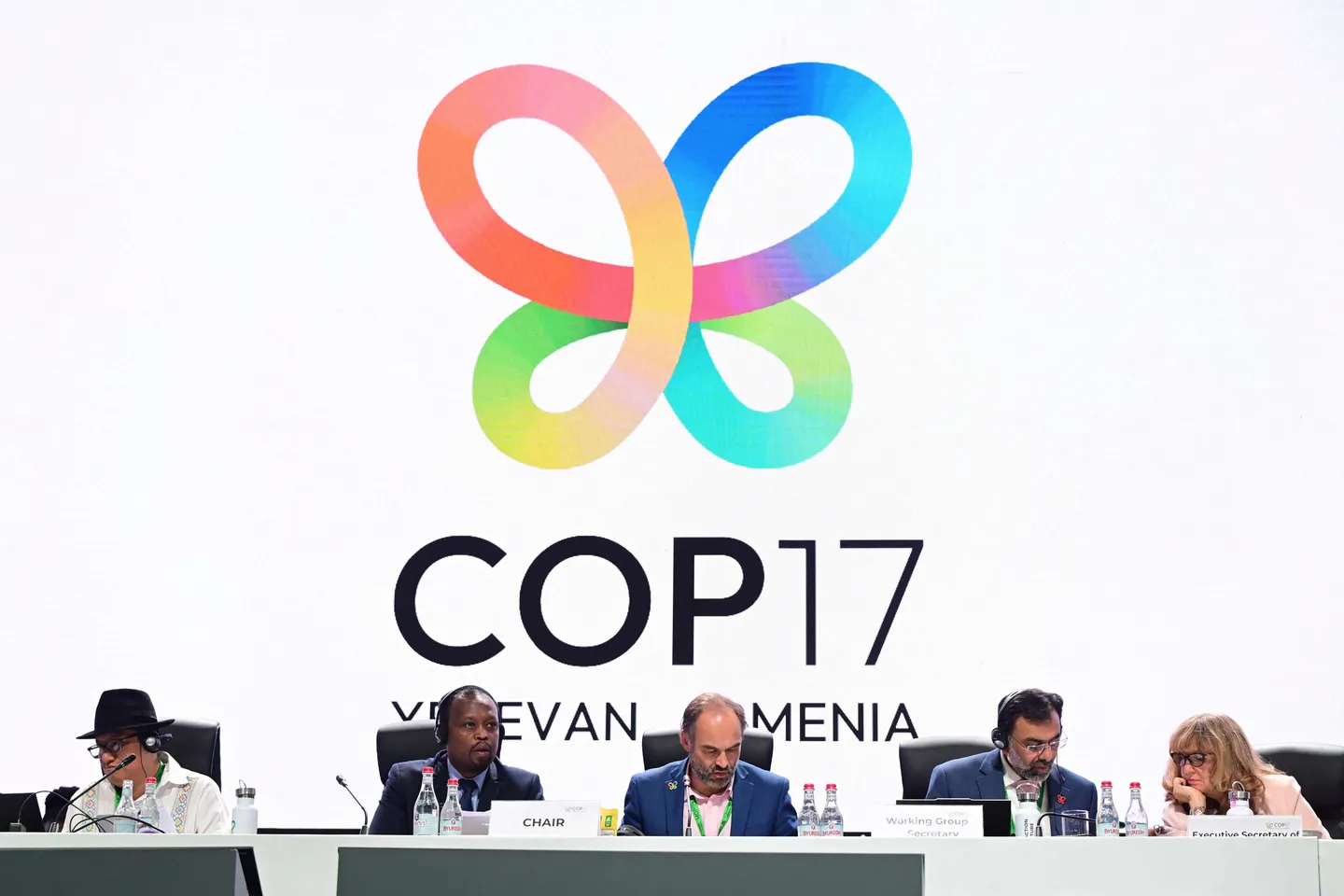
Nearly 200 nations reached agreement at the UN biodiversity summit in Yerevan on Friday, according to TRT World, approving texts intended to revive a landmark commitment to halt and reverse the destruction of nature by 2030. The deal was struck in overtime, with delegates cheering as COP17 president Hambardzum Matevosyan brought down the gavel on two major texts. The final versions of those texts were still not available early on Saturday, the report notes.
The celebrations were tempered. France's ecological transition minister, Monique Barbut, said the outcome was "not commensurate" with the crisis facing the natural world, describing the result as a series of missed opportunities to speed up the response to biodiversity loss. "Nature will not wait for the pace of our negotiations," she said in a statement sent to AFP. The summit had been convened precisely because global efforts to meet the 2030 goals had fallen short, and the UN had warned that progress remained insufficient on protecting 30 per cent of land and oceans, tackling pollution and invasive species, and raising conservation finance.
The final plenary ran through Friday night and into the next morning, and the report describes negotiations turning sour as the hours dragged on. Juliette Landry of the IDDRI think tank told AFP there was "a lot of push and pull in every direction" throughout the summit. One closely watched draft urged nations to accelerate their efforts and warned that increased action was needed against the forces driving biodiversity loss. Guido Broekhoven of WWF International called it a step forward despite weaknesses, particularly on harmful subsidies — the politically fraught question of incentives that encourage fossil fuel use, intensive agriculture and overfishing. Greenpeace's An Lambrechts said the agreed text expressed the issue in weak terms but that COP17 had nonetheless produced important political momentum.
Two disputes cast a shadow over the proceedings. A rare fight over science saw a number of countries accused of undermining efforts to approve key reports, prompting Swiss negotiator Gabriela Blatter to say on behalf of dozens of states that science is not negotiable. Separately, finance remained contested: the EU pressed wealthy emerging economies such as China to contribute to conservation, and a draft circulated on Friday invited countries outside the developed-country donor group to join voluntarily. Questions over the design of the Cali Fund, a UN mechanism meant to attract billions in corporate contributions but close to empty, were left unresolved. Pakhi Das of Plant-for-the-Planet said that by deferring essential decisions by two years, parties had all but ensured the fund remains empty until then.
The summit decided early on Saturday that Ecuador would host the next biodiversity talks in 2028, defeating Panama in a secret vote. What the approved texts contain in detail is not yet confirmed, since final versions were unavailable as the gavel fell. Nor is it clear how the voluntary finance language will operate in practice, or when the deferred Cali Fund decisions will be taken up. What the meeting has established is a timetable and a set of intentions; whether they close the gap the UN has identified will depend on decisions taken elsewhere and later.