For a Nato member on the alliance's eastern edge, the calculation appears to be that the security cost of keeping the crossings open now outweighs the disruption of closing them.
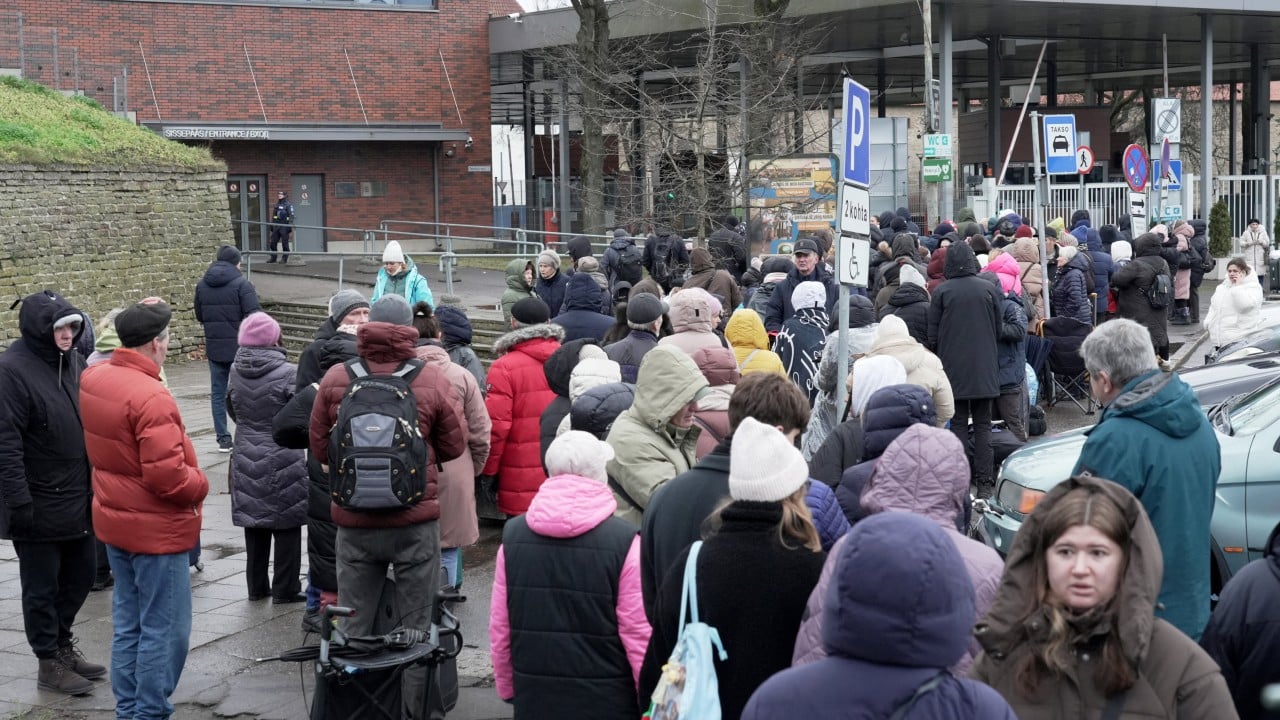
Estonia will close its road border crossings with Russia from December 1 on security grounds, according to SCMP World, and will decide after six months whether to extend the suspension. The government in Tallinn framed the move as a considered step rather than a reflex, saying the closure is not a reaction to a single incident but the next stage in a wider response.
The immediate context is serious. Estonia accused Russian security services on Sunday of staging an attempted arson attack on an Estonian defence company, which officials described as the second such incident this year. That allegation, reported in the summary, gives the border decision a sharper edge: this is not routine border management but a signal that Tallinn believes hostile activity is being directed from across the frontier.
The practical consequences are considerable. Road crossings are the main channel for people and goods between the two countries, and a six-month suspension will affect residents, hauliers and families on both sides. It also narrows the space for ordinary contact at a moment when channels of communication are already thin. For a Nato member on the alliance's eastern edge, the calculation appears to be that the security cost of keeping the crossings open now outweighs the disruption of closing them.
Much remains unconfirmed. The source material is a headline and short summary; the full article could not be fetched. It is not known which crossings are covered, whether exemptions will apply, how Russia has responded, or what evidence underpins the arson allegation beyond Estonia's public statement. Nor is it clear what conditions would persuade Tallinn to reopen the border after six months. Those gaps matter, because the significance of the decision depends on details the summary does not supply.