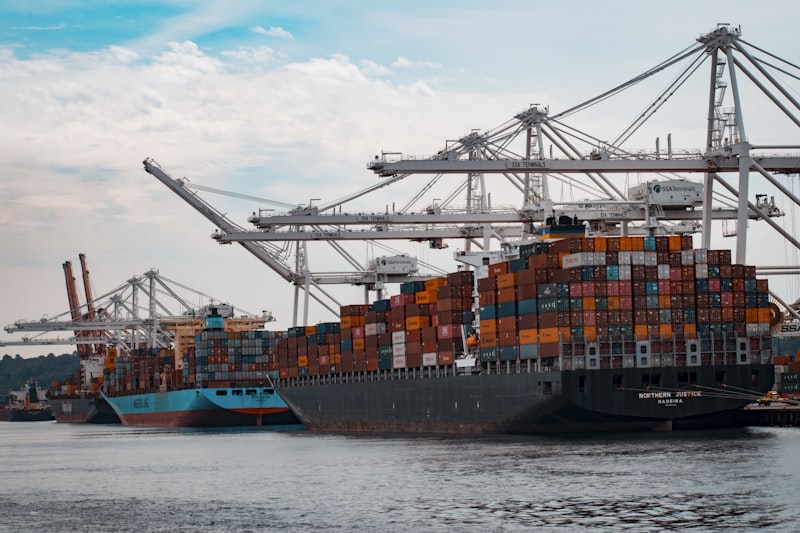
Trump's threats to target Iran's infrastructure signal a potential escalation in hostilities that could have far-reaching implications for regional stability.
The geopolitical landscape surrounding the Strait of Hormuz, a vital artery for global oil shipments, has once again been thrust into the limelight following former President Donald Trump's recent provocative statements. His threats to target Iran's infrastructure, specifically its power plants and bridges, if the nation does not ensure the free passage of vessels through this critical waterway, signal a potential escalation in hostilities that could have far-reaching implications for regional stability and global energy markets.
Trump's rhetoric comes at a time when Iran's activities in the Strait and broader Persian Gulf have already raised alarms. The country has demonstrated its capability and willingness to disrupt maritime navigation, particularly through the use of asymmetric naval tactics. By threatening direct military action against key Iranian assets, Trump not only seeks to position himself as a defender of international trade routes but also attempts to leverage a narrative that resonates with his political base, emphasizing a strongman approach to foreign policy.
What is particularly concerning about these developments is the backdrop of ongoing tensions between the United States and Iran, which have been exacerbated by the collapse of the Joint Comprehensive Plan of Action (JCPOA) and subsequent sanctions. The threat to attack Iranian infrastructure could provoke retaliatory measures from Tehran, potentially leading to a cycle of escalation that would destabilize the already volatile region. The international community must consider the broader ramifications of such threats, as conflicts in this region often have a cascading effect on global oil prices and security.
Moreover, Trump's approach raises questions about the coherence of U.S. foreign policy in the Middle East. His administration's previous withdrawal from the JCPOA, coupled with a more confrontational stance, has alienated traditional allies while emboldening adversaries. With the Biden administration grappling with its own strategy towards Iran, Trump's latest declarations could further complicate diplomatic efforts aimed at de-escalation. The potential for a military confrontation in the Strait of Hormuz is not just a domestic issue for the U.S.; it is a litmus test for international relations and the efficacy of diplomacy in managing complex global conflicts.