What is not yet known is whether Eisenkot can convert a presidential mandate into a governing coalition, and on what terms.
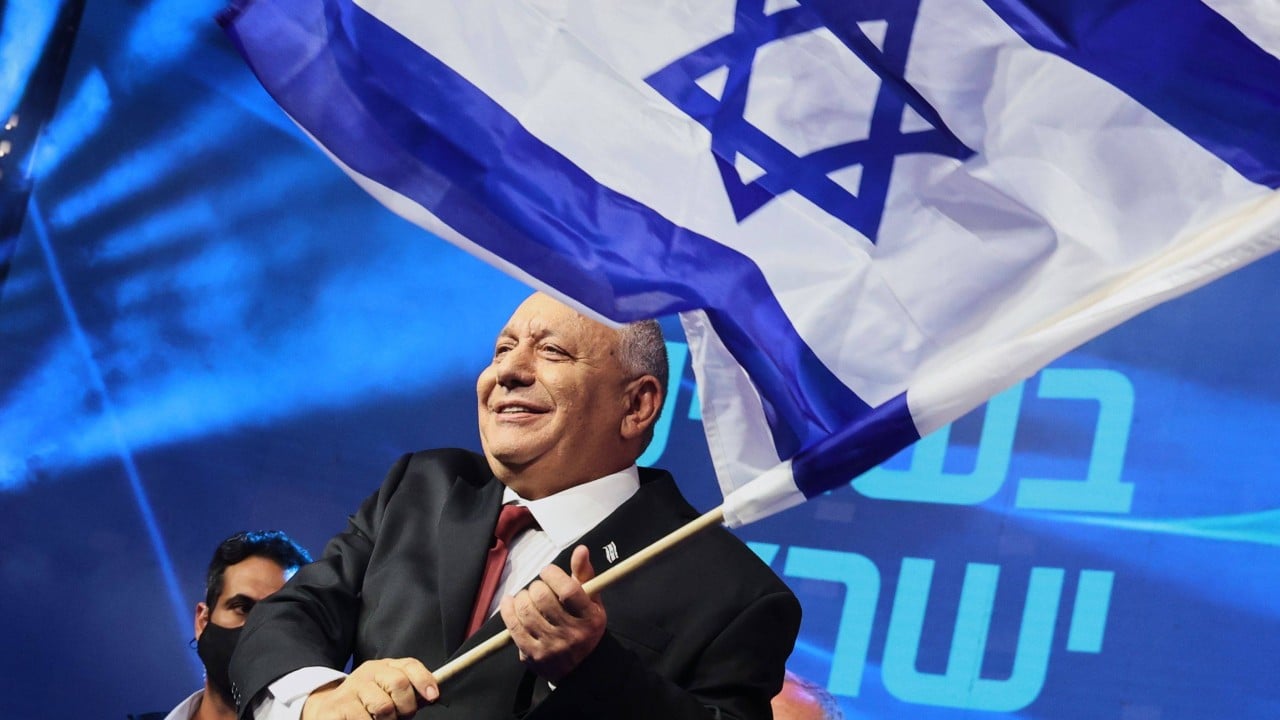
President Isaac Herzog has tapped Gadi Eisenkot, a former army chief of staff, to form Israel's next government, according to SCMP. Should he succeed, the 66-year-old would replace Benjamin Netanyahu, the country's longest-serving leader, whose inflammatory style has drawn both admiration and outright hostility. The move marks a rare opening for a politician whose principal asset, in the eyes of voters weary of Netanyahu, is a conspicuous lack of charisma.
The parliamentary arithmetic is not settled. Eisenkot's opposition bloc won 48 of the Knesset's 120 seats in October's election, while Netanyahu's camp took 53, leaving neither with a majority. During consultations with Herzog, Eisenkot received the endorsements of both Arab-majority lists, which made unprecedented gains and could now play kingmaker. Whether his bloc would accept that support in forming a government remains unclear, the report says, and that question sits at the centre of whatever comes next.
Eisenkot's profile is unusual. He served as chief of staff from 2015 to 2019 and has positioned himself as a unifier after a divisive decade in which the country moved sharply to the right. He has vowed to crack down on extremist West Bank settlers who have attacked Palestinians, describing recent incidents as "Jewish terror" abetted by Netanyahu's government. He has also promised to protect judicial independence, the rule of law, minority rights and a free press, and to curb exemptions from military service for religious students through a universal national service law covering ultra-Orthodox Jews and Arab citizens.
He is not, however, a peacenik. Eisenkot opposes the creation of a Palestinian state and has vowed to end Hamas's rule in Gaza and destroy its military wing. He commanded the military during the 2006 war with Hezbollah, when he devised the so-called Dahiya doctrine, which involves vowing massive force against civilian infrastructure in areas controlled by Hezbollah. Israel has adopted the doctrine again in Gaza, causing destruction that critics say amounts to war crimes, an assertion Israel disputes. On Gaza, he has promised to end Hamas's rule within 18 months, either through Donald Trump's ceasefire plan of gradual disarmament and a transfer of power or through what he calls "creative operations".
His personal story carries political weight. He has drawn broad public sympathy after his son Gal and two nephews were killed fighting in Gaza. The son of Moroccan Jews who grew up on Israel's geographic periphery, he would be the first Sephardic prime minister, a contrast with Netanyahu's elite background. He has courted opposing sides of Israeli society, promising greater protection for the LGBTQ community while defending Israeli control over the West Bank to religious Jews, though he rejects outright annexation and unauthorised settlement outposts.
What is not yet known is whether Eisenkot can convert a presidential mandate into a governing coalition, and on what terms. The report does not say how the Arab lists' support would be reconciled with his opposition to Palestinian statehood, nor how his coalition would handle the wars that have reshaped Israeli politics. Those questions will determine whether a reserved general becomes the man who ended Netanyahu's tenure or another brief figure in a fragmented system.