The mandate is a beginning, not a resolution.
Gadi Eisenkot, Israel's former military chief and leader of the Yashar party, formally received a mandate from President Isaac Herzog on Sunday to form a government, according to The Guardian. The president gave him 28 days to assemble a coalition, despite Eisenkot's bloc lacking a clear majority in the 120-seat parliament. The task is formidable, and the arithmetic unforgiving.
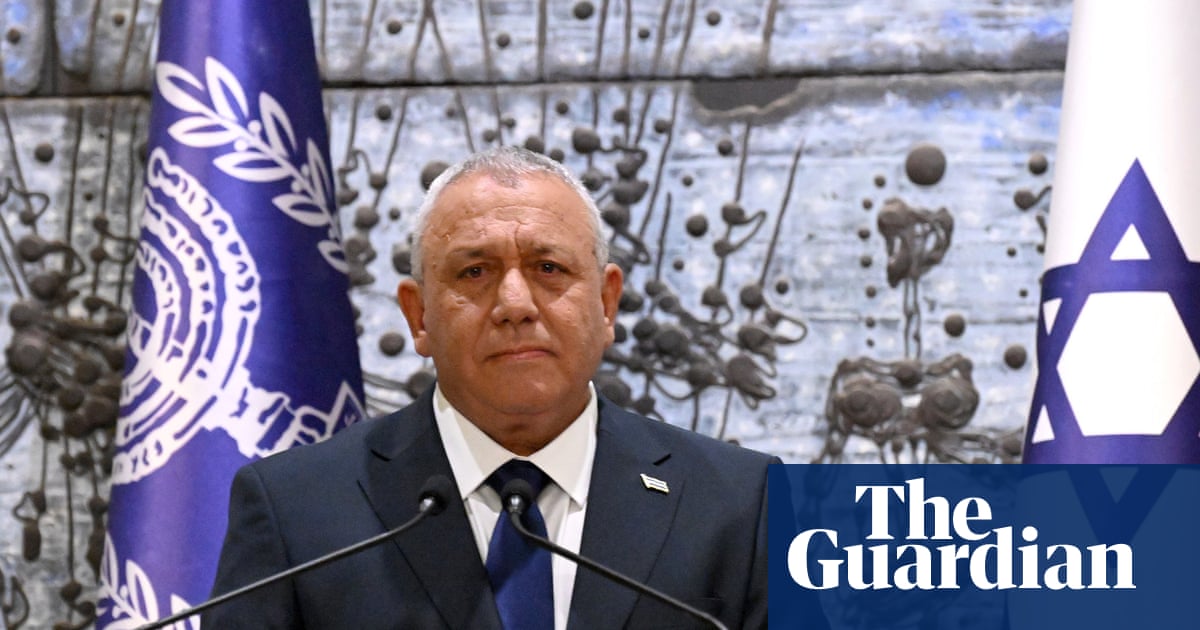
Speaking at a ceremony at the presidential office, Eisenkot said the veteran prime minister had brought the country to a historic crisis. "We are in a state of emergency, approaching a point of no return for the state of Israel," he said, calling for a national emergency government that would require "creative and unconventional political steps." The Guardian reports that Eisenkot, 66, has vowed to bridge the deep polarisation that marked Netanyahu's tenure.
The numbers explain the difficulty. Eisenkot's wide-ranging opposition bloc won 48 seats in October's elections, while Netanyahu's camp secured 53, leaving neither with a majority. The report sets out three routes to power: a power-sharing agreement with Netanyahu, support from Arab-led parties, or an arrangement with the ultra-Orthodox parties, which demand military exemptions for their community. Each carries costs. Several members of Eisenkot's own bloc oppose reliance on Arab-led parties, and Yisrael Beiteinu, a conservative partner, has already said it will not join a coalition with them. Eisenkot has set conditions for Arab participation, including recognition of Israel as a Jewish state and declaring Hamas a terrorist organisation.
He appealed directly to Netanyahu's Likud and to the far-right party of finance minister Bezalel Smotrich to join a government, but only with himself as prime minister. "My door is open and my hand is extended, wholeheartedly and willingly, to anyone who understands the gravity of this moment," he said. Both Eisenkot and Herzog acknowledged Israel's growing isolation under Netanyahu, who is wanted by the International Criminal Court. Eisenkot described a "devastating diplomatic crisis," noting that even close friends and strategic allies were saying their relationship with Israel must be reassessed. The report links this to the devastation in Gaza and the unpopular Iran war, and notes that Democrats swept the US midterm elections with calls to rein in Israel.
Equal military service was a central campaign theme for Eisenkot and his partners, who seek an end to the longstanding draft exemptions enjoyed by the ultra-Orthodox. Netanyahu has repeatedly claimed the election was "stolen" by Arab parties, the report says, but has offered little to no evidence. What remains unconfirmed is whether any of the three coalition paths can be closed within 28 days, and on what terms. Should Eisenkot succeed, he would take over as prime minister from Israel's longest-serving premier. The mandate is a beginning, not a resolution.