The mandate is the opening of a process, not its conclusion.
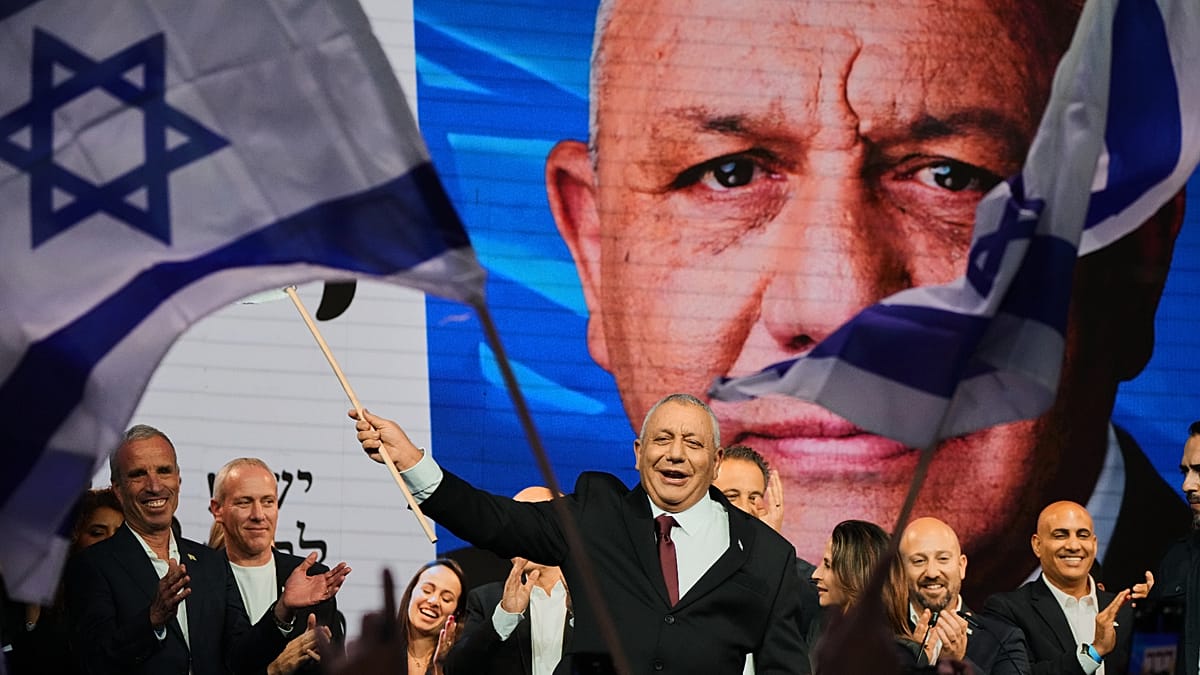
Israel's President Isaac Herzog has decided to task Gadi Eisenkot, chairman of the centrist Yashar party, with forming a new government, according to a statement from the president's office quoted by Euronews. The decision followed legislative elections last month that produced no clear winner, and came after several days of talks with political figures including Eisenkot and Prime Minister Benjamin Netanyahu.
The arithmetic behind the mandate is set out in the same statement. Factions totalling 67 members of the 120-seat Knesset backed Eisenkot during the consultations, while 46 supported Netanyahu. The president has invited Eisenkot to the president's residence for the ceremony conferring the mandate, which the statement said would take place on Sunday.
The procedure ahead is tightly clocked. A candidate tasked with forming a government has 28 days, with the president able to extend that by a maximum of 14 days. If that attempt fails, a second leader can be given up to 28 days. Should that also fail, the Knesset can request a third candidate, who would have 14 days. If every attempt collapses, another election is called.
The underlying result explains why the mandate went to the opposition rather than to the largest party. Netanyahu's camp finished on 53 seats and the opposition, led by Yashar, on 48, both well short of a majority. Netanyahu's right-wing Likud remained the largest single party with 27 seats, while the Arab parties secured a record 19 seats between them. Eisenkot, a former military chief, has vowed to do everything to form a new government.
The gap between the two figures is the central fact of this phase. The 67 Knesset members said to have backed Eisenkot in consultations is more than the 48 seats attributed to the opposition bloc, which indicates that support extends beyond the parties that ran against Netanyahu. Whether that support holds when the question shifts from who should be tasked to what a government should do is not established in the report. Nor is the composition of the prospective coalition, the policy terms on which those factions would serve, or how the record showing for the Arab parties would translate into participation or confidence from outside.
Netanyahu's call on Saturday for a national unity government adds a further variable. The report does not say what shape such an arrangement would take, whether it would sit under Eisenkot's mandate or displace it, or how Likud would reconcile it with the opposition's numerical advantage in the consultations. The mandate is the opening of a process, not its conclusion. The 28-day clock, and the extensions and fallbacks written into law, will determine whether Israel gets a government or another election.