New lines and new roads do not substitute for the maintenance, signalling and oversight that prevent one train from running into the back of another.
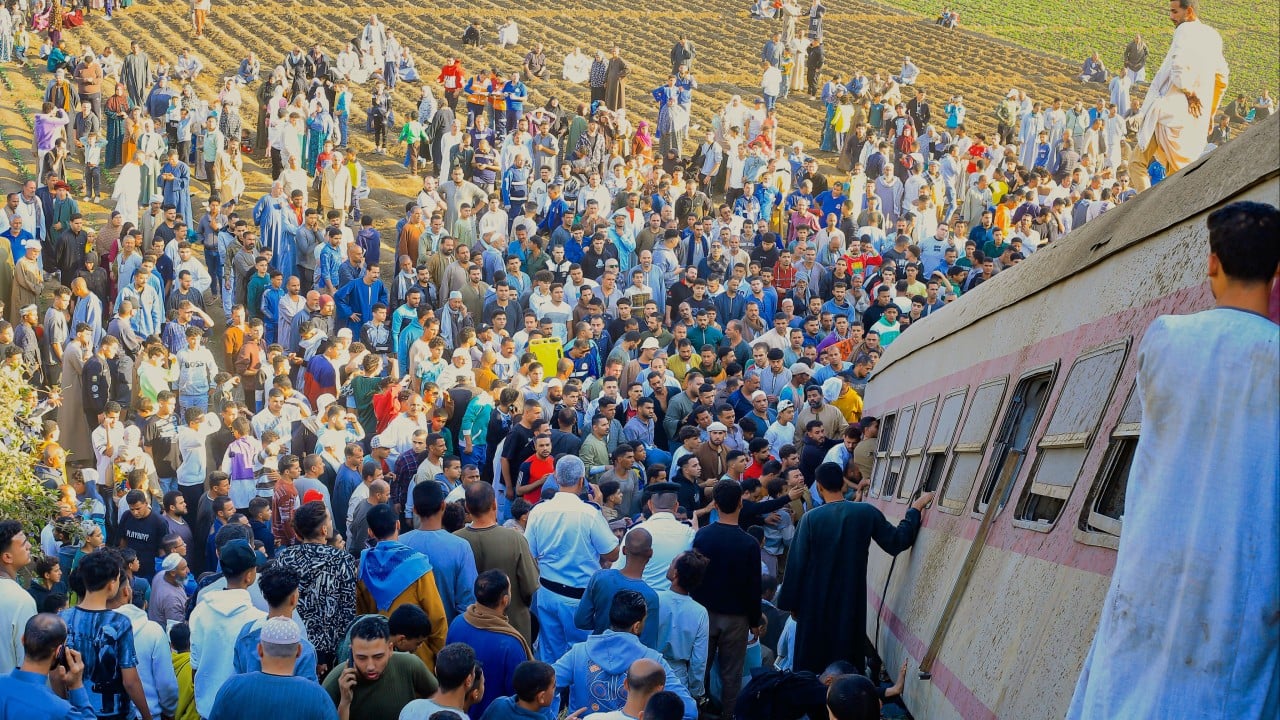
Two trains collided south of Cairo on Sunday, derailing several carriages and killing four passengers, according to the authorities. Egypt's railway authority said a service travelling from Giza to Fayoum struck the rear of another train heading south from Cairo to Aswan. The crash occurred in Giza's Al-Ayyat area, a district with a grim place in the country's transport history.
The health ministry put the initial toll at four dead, with 88 people being treated in hospitals around Giza. State-owned media had earlier reported 120 wounded, without clarifying the severity of the injuries. The discrepancy between the two figures is not explained in the reporting, and the number of seriously hurt is not yet known. Emergency crews used cranes to clear the wreckage, the railway authority said.
President Abdel-Fattah el-Sisi said he was following the accident "with great concern" and directed the authorities to conduct an urgent investigation to "hold accountable anyone found to have been negligent". An investigation into the cause has been launched, but no finding has been made public. Officials have not said whether signalling, track condition or human error is suspected, and it is not yet confirmed how fast either train was moving at the moment of impact.
The location carries weight. Al-Ayyat was the site of Egypt's worst rail disaster, in 2002, when more than 370 people were killed in a fire on a train carrying holiday travellers south of Cairo. Further crashes in the area in 2009 killed dozens. That record is part of why Sunday's collision will be read in Egypt less as a single accident than as a recurring failure at a known point of vulnerability.
The wider context is a network under strain. Egypt's 110 million people depend heavily on rail, and the country operates one of the largest networks in Africa. Over the past decade the state has poured billions of dollars into transport infrastructure, including new highways and high-speed rail lines, but it has yet to overhaul much of the ageing rail network itself. New lines and new roads do not substitute for the maintenance, signalling and oversight that prevent one train from running into the back of another.
For the government, the political risk lies in the gap between the scale of its infrastructure spending and the persistence of deadly accidents on the older system. Sunday's crash will sharpen scrutiny of how the modernisation programme is sequenced, and whether the existing network is being kept safe while the showcase projects are built. The immediate facts remain limited: four confirmed dead, dozens injured, an investigation under way and no published cause. What follows will depend on whether that inquiry produces findings the public is prepared to accept.