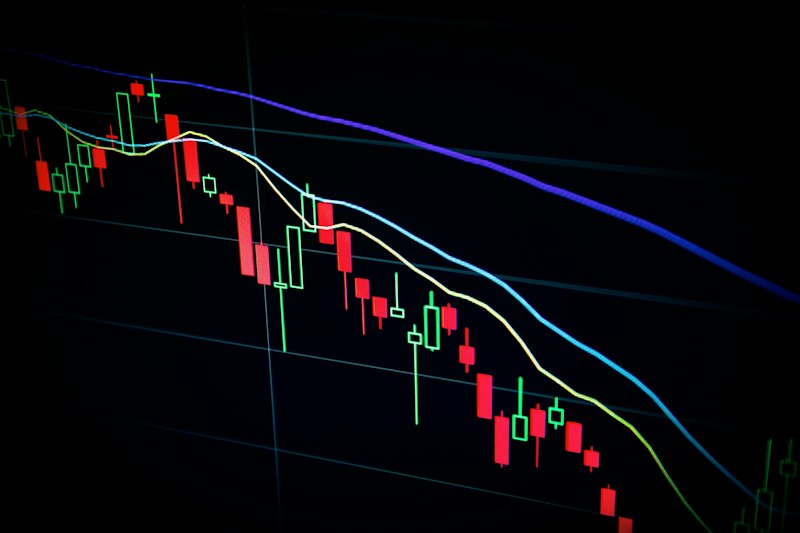
The dissonance between projected performance and economic reality could precipitate significant market adjustments in the near future.
The recent optimism surrounding corporate earnings projections stands at a critical juncture, raising questions about their sustainability amid shifting economic currents. Analysts and investors alike have expressed increasing concern that the current expectations for earnings growth are overly ambitious, particularly as macroeconomic indicators suggest a potential downturn. This dissonance between projected performance and economic reality could precipitate significant market adjustments in the near future.
Corporate earnings serve as a cornerstone for evaluating the health of the economy. However, the prevailing optimism seen in earnings forecasts fails to account for the myriad challenges confronting businesses today. Inflationary pressures, tightening monetary policy, and geopolitical uncertainties are converging to create an environment rife with unpredictability. As central banks around the world continue to combat inflation through interest rate hikes, companies may find their cost structures increasingly strained, directly impacting profitability.
Moreover, the global supply chain remains fragile in the wake of disruptions from the pandemic and geopolitical tensions. Businesses that rely on just-in-time inventory models or have significant exposure to volatile commodity prices may soon realize that their optimistic growth projections are based on increasingly tenuous foundations. Analysts must grapple with the ramifications of these factors, as they may lead to downward revisions of earnings expectations and, ultimately, a recalibration of market valuations.
As we survey the landscape, it is vital for investors and policymakers to approach earnings forecasts with a critical lens. The potential for disappointing earnings reports looms large, particularly in sectors that have benefitted disproportionately from pandemic-induced trends. The tech sector, for instance, has seen significant growth during the pandemic but may struggle to maintain this momentum in a post-pandemic economy marked by rising interest rates and declining consumer spending power.
In conclusion, as the economic climate evolves, stakeholders must remain vigilant about the assumptions underpinning earnings forecasts. A failure to adjust expectations in line with reality may not only lead to market volatility but also undermine broader economic stability. In this precarious environment, a prudent approach to earnings expectations is not only advisable but necessary.