An interception there would place the incident directly on the maritime corridor that has repeatedly become the stage for friction between Iran and the United States.
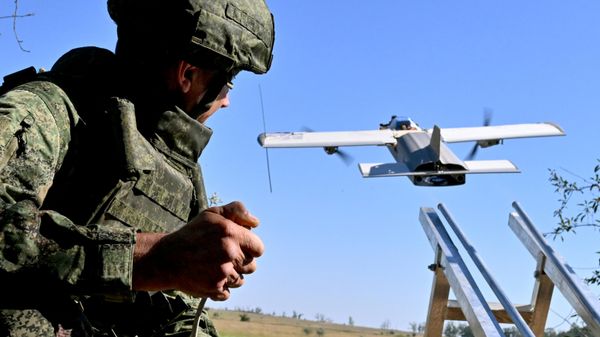
Iran's army says it has shot down an American MQ-9 drone over Qeshm, the island that sits at the mouth of the Strait of Hormuz in southern Iran. The Tasnim news agency, quoting an army statement, reported that the aircraft was brought down by "modern air defence systems" belonging to the country's integrated air defence network. The report, carried by TASS, describes the drone as belonging to "the US aggressor" and says it was destroyed in the skies over the island.
The language of the statement is notably political. Calling the aircraft an aggressor's drone frames the incident as a defensive act against intrusion, rather than an accident or a misjudgement. That framing matters because Tehran has spent years presenting its air defences as a credible deterrent, and a public claim of a successful interception over Qeshm serves that narrative as much as it serves any operational purpose.
Qeshm is not a peripheral location. The island lies close to the shipping lanes through which a large share of the world's seaborne oil passes, and it sits near Bandar Abbas, where Iranian naval and air force assets are concentrated. An interception there would place the incident directly on the maritime corridor that has repeatedly become the stage for friction between Iran and the United States. Even so, the report gives no altitude, no precise timing beyond "a few minutes ago", and no indication of whether the drone was inside Iranian airspace as Tehran defines it.
Several things are not yet known. There has been no confirmation from the United States, no independent verification of the shootdown, and no detail on what kind of MQ-9 was involved or what mission it was flying. The source material does not say whether the drone was armed, whether it was operating near Iranian territory or over international waters, or how the aircraft was engaged. Nor is there any word on the Iranian side about the specific system used, beyond the general reference to the integrated air defence network.
What can be said is that the incident, if confirmed, would raise the temperature in the Gulf at a moment when the region's maritime security is already fragile. MQ-9s are high-value assets, and their loss tends to prompt a response. The immediate question is whether Washington treats the report as an isolated defensive act or as an escalation. Until American officials respond, and until the circumstances of the interception are independently established, the incident should be read as a significant claim rather than a settled event.