The significance lies less in the intensity of this storm than in its timing.
Indian authorities began evacuating residents along the country's eastern coast on Monday as Cyclone Murasu approached, with the severe storm expected to make landfall early on Tuesday. According to TRT World, the India Meteorological Department (IMD) forecast that the cyclone would strike the coast in the early hours of Tuesday, bringing heavy rain and strong winds to vulnerable communities.
Around 2,000 people had been evacuated by Monday, and preparations were under way to move a further 30,000, Prakhar Jain, managing director of the Andhra Pradesh State Disaster Management Authority, told Reuters. The IMD said the southern coastal states of Andhra Pradesh and Tamil Nadu were expected to bear the brunt of the storm.
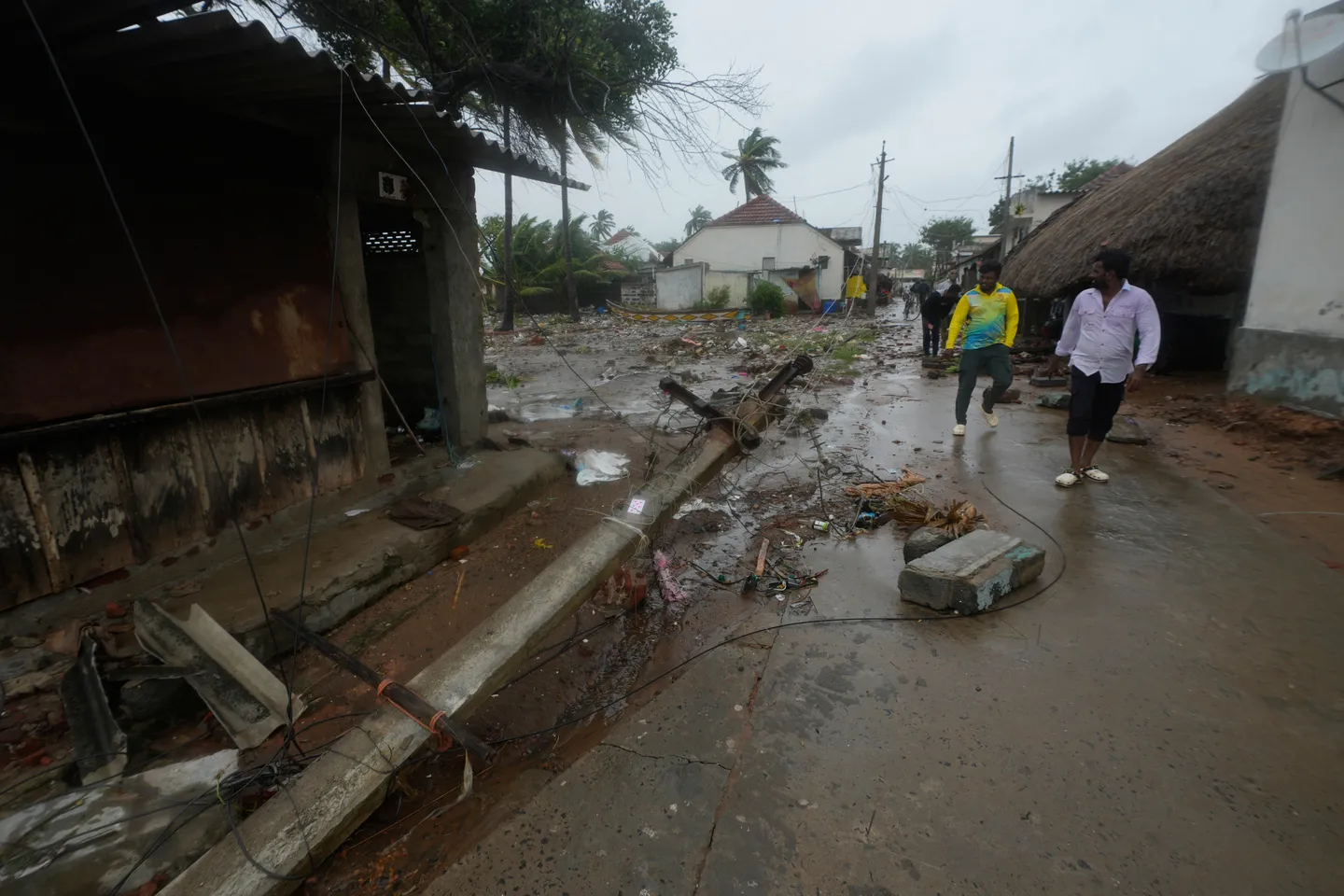
Murasu formed over the Bay of Bengal, a major breeding ground for tropical cyclones that frequently threaten India's eastern coastline. The report notes that authorities are moving quickly to reduce the risk to residents, particularly in areas still dealing with the aftermath of last week's Cyclone Arnab. Murasu is forecast to be less intense than Arnab, which killed six people and destroyed dozens of homes and crops, according to the report.
The significance lies less in the intensity of this storm than in its timing. A second cyclone within roughly a week tests the stamina of local emergency services and the patience of communities that have had little time to repair homes or salvage crops. Evacuation figures of the kind cited by the Andhra Pradesh disaster authority are a measure of how seriously officials are treating the forecast, and the decision to move tens of thousands of people is rarely taken lightly.
What is not yet known is the precise track and strength of Murasu at landfall, the full extent of the evacuation once the storm passes, or the damage it may cause to property and agriculture. The report does not give casualty figures, and none should be assumed. The IMD's forecast of a less intense storm than Arnab offers some reassurance, but forecasts of this kind can shift, and the region's exposure to Bay of Bengal cyclones is a persistent feature of its geography rather than a one-off event.
The coming days will show whether the early evacuation has limited losses. For now, the picture is of a region bracing for a familiar threat with limited recovery time behind it.