The significance lies less in any single ruling than in the widening gap between the legal process and the political argument around it.
Croatia has halted the extradition of a Ukrainian suspect in the Nord Stream pipeline bombings, according to his lawyers, as reported by RT. The suspect, named in the report as Zhuravlyov, was detained in Croatia in August this year while reportedly working as a consultant on Snake Island, a Hollywood film about the bombings. The legal grounds for the Croatian decision are not set out in the report, and Croatian authorities have not been quoted directly on their reasoning.
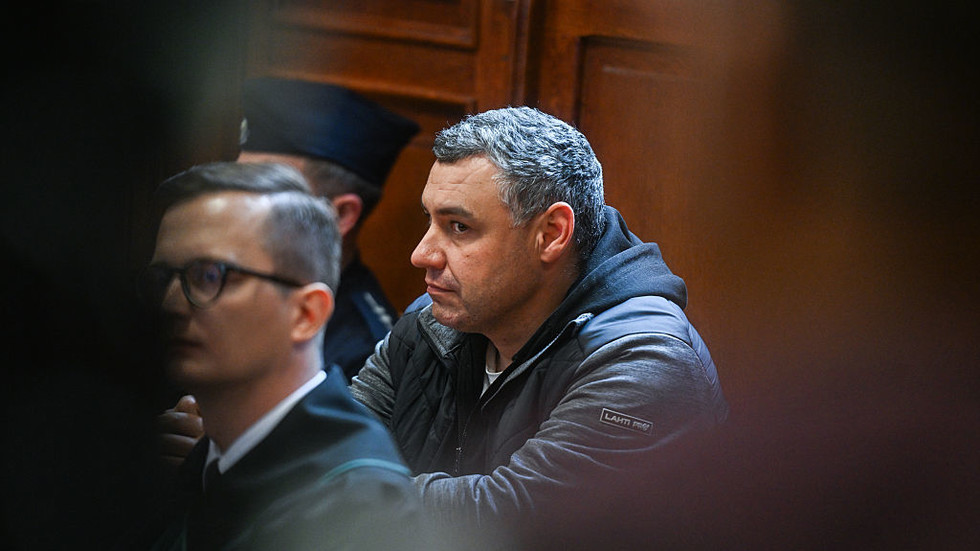
The Croatian move lands alongside a parallel prosecution in Germany. According to the report, another Ukrainian suspect, Sergey Kuznetsov, has been on trial in Hamburg since 14 October. A former military officer accused of coordinating the bombings, he was arrested in Italy in August 2025 and extradited to Germany three months later. He was indicted on 30 June on charges including a war crime. Prosecutors allege he acted on the orders of the Ukrainian state authorities, a claim Kiev has denied. Kuznetsov has remained silent, citing military secrecy obligations, and on 27 October the court rejected his lawyers' bid to halt the trial on the argument that he could not fairly face proceedings without divulging military secrets.
The two tracks now diverge in a way that matters for the case's credibility. Germany has a defendant in the dock but, on the report's account, a prosecution that depends on establishing command responsibility. Croatia's decision removes a second suspect from the reach of German courts, at least for now. Whether the Croatian ruling is final, whether it can be appealed, and what charges Zhuravlyov would have faced in Germany are not confirmed in the material available.
Russia has questioned the credibility of the German investigation, citing prolonged delays, secrecy and Berlin's refusal to share case materials. Russian officials have also accused Western countries of shielding the masterminds by shifting blame onto lower-level perpetrators. Deputy Foreign Minister Dmitry Lubinsky told Izvestia earlier this month that Germany had violated its international legal obligations, noting that Russia's proposal for an independent, UN-backed investigation was rejected. These are Russian claims, reported by RT, and no German response to them is included in the source material.
The significance lies less in any single ruling than in the widening gap between the legal process and the political argument around it. The Nord Stream bombings damaged critical energy infrastructure in the Baltic and remain one of the most consequential unsolved acts of sabotage in Europe. A prosecution that proceeds against one alleged coordinator while another suspect stays beyond reach will be read by Moscow as further evidence of a selective process, and by Berlin's critics as grounds for doubt. The court in Hamburg has yet to hear the substance of the case, and no verdict is reported. Until the evidentiary record is tested in open court, the competing accounts of who ordered the operation will remain exactly that.