Contact of this kind is rarely a neutral event: it is usually read by advocates as a symptom of pressure on land that isolated groups rely on for survival.
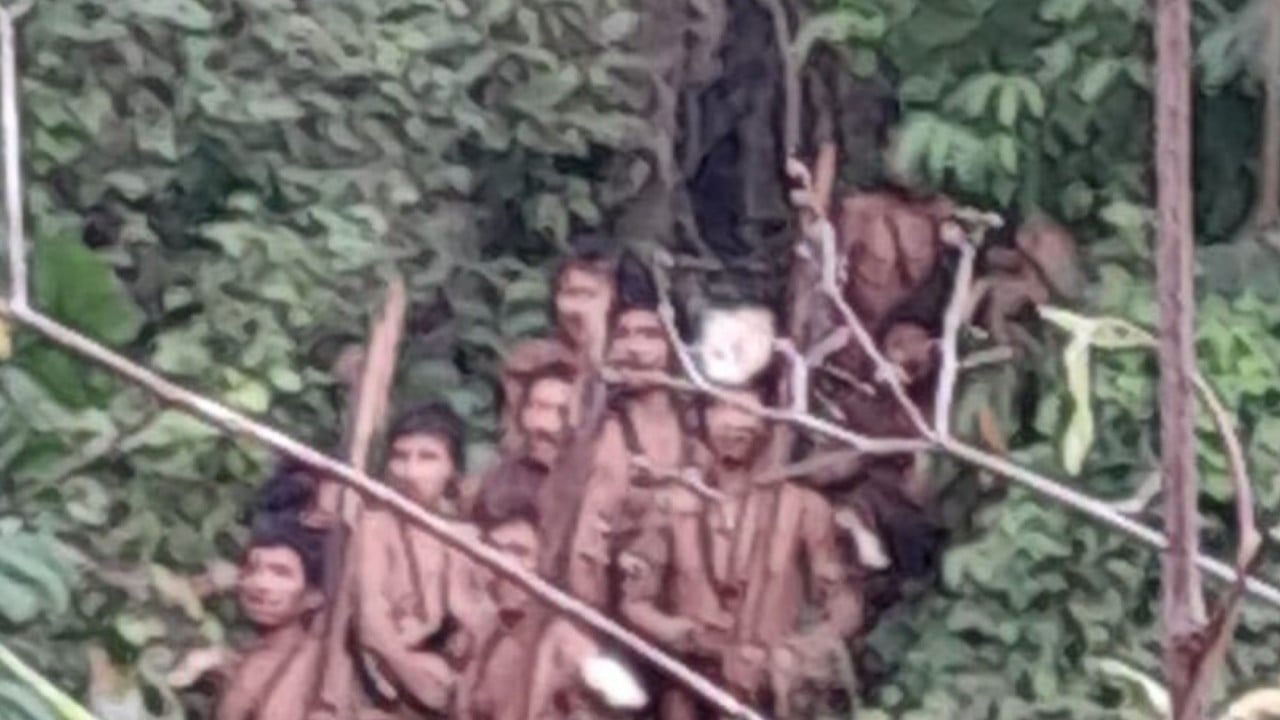
Around twenty Indigenous people emerged from isolation in Brazil's Amazon rainforest, appearing thin and hungry, several organisations reported on Tuesday. According to the NGO Survival International, members of the Awa people, who live in voluntary isolation, arrived on Monday in a village and made contact with a government team in what the organisation called a "historic encounter". The village they entered lies within the Arariboia Indigenous Territory.
The reports raise alarm about increased invasions into the tribe's territory, according to the summary of the account. That framing matters. Contact of this kind is rarely a neutral event: it is usually read by advocates as a symptom of pressure on land that isolated groups rely on for survival. Survival International's description of the new arrivals as thin and hungry points in the same direction, suggesting a community that left isolation under duress rather than by choice.
Much remains unconfirmed. The account rests on a headline and a short summary, and the full article could not be fetched. It is not yet known how many people remain in isolation, what condition they are in, which government team received them, or what officials intend to do next. Nor is it established what specifically drove the group to leave, or who, if anyone, is accused of encroaching on the territory. The Awa's circumstances have drawn international attention before, but nothing in the available material should be treated as a verified account of this week's events.
The significance lies in what contact sets in motion. Encounters between isolated peoples and outsiders carry well-documented risks of disease and disruption, and they sharpen the argument over protection of Indigenous land in Brazil. For an informed reader, the immediate questions are practical: whether the group receives medical care, whether the territory's boundaries are enforced, and whether this encounter is treated as an emergency or an anomaly. Until fuller reporting appears, the "historic" label should be held lightly.