What is clear is that a dispute over 20,000 ballots now sits before the country's highest court hours before polls open.
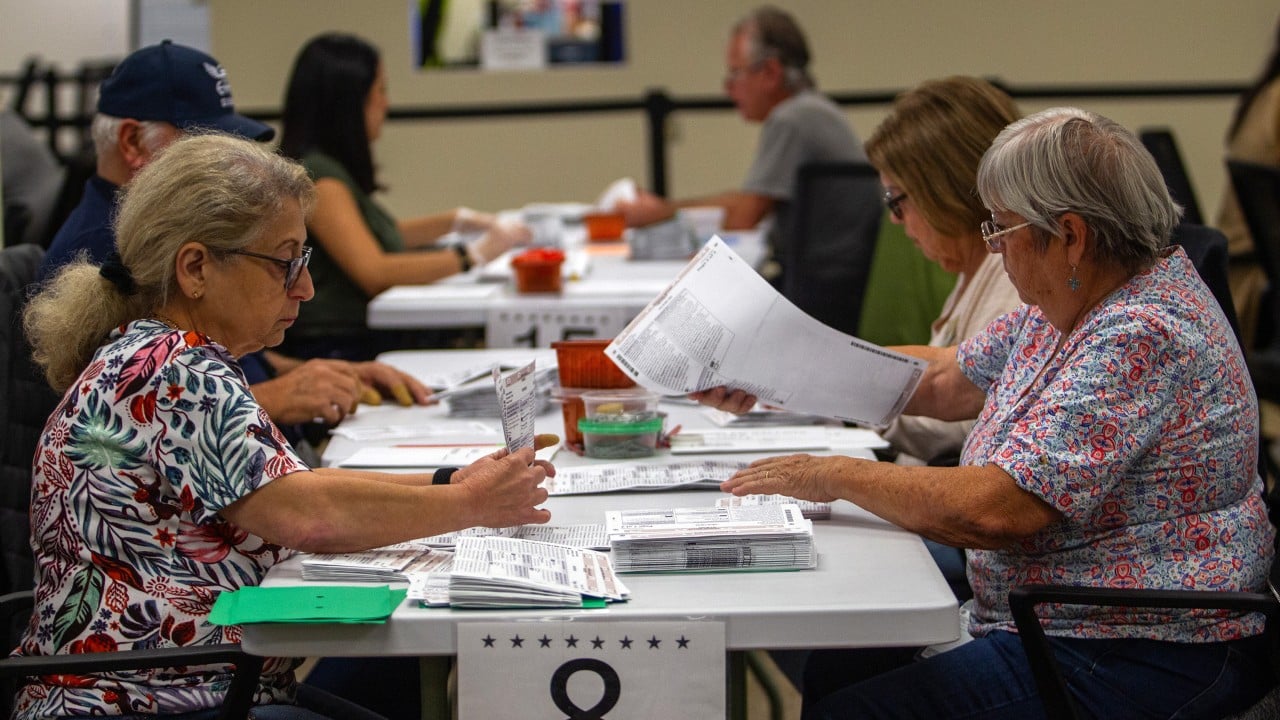
The Trump administration asked the Supreme Court on Monday to temporarily block California from counting mail-in ballots from more than 20,000 registered voters whom federal officials allege are probably non-US citizens, according to the SCMP report. The emergency request from the Justice Department came on the eve of the US midterm elections and seeks to keep the disputed ballots uncounted until each voter's citizenship status can be verified. A federal appeals court had refused the request on Friday.
The administration wants the justices to order California to separate any ballots cast by people on the list from other ballots, and to act quickly on an interim basis while it formally decides the department's request. "Once California commingles the challenged ballots with lawful ones, there is no way to get the challenged ballots back," the Justice Department said in its filing, as quoted by the report. The list of 20,000 registered voters was compiled by the Department of Homeland Security and sent to state and Los Angeles County officials.
The legal ground has gone against the administration twice. US District Judge David Carter in Los Angeles denied the request on October 28, writing that never before had the federal government, on the eve of an election, sought to coerce a state and local government to abandon its own constitutional election procedures. Carter also questioned the reliability of the administration's data, noting that people flagged in other states as non-citizens had repeatedly turned out to be naturalised citizens. The San Francisco-based 9th US Circuit Court of Appeals refused on Friday to block the ballots, citing California's comprehensive statutory scheme for election integrity and warning that siding with the administration could disenfranchise voters and jeopardise the county's entire election.
California says its safeguards against non-citizen voting are robust and that the lawsuit threatens to deprive 20,000 people of the vote on vague accusations. It argues the administration's process for scrutinising voter lists is flawed and likely rife with errors. The state holds 52 House seats, more than any other, and Democrats need a net gain of four to win a majority. The report notes that Trump has made false claims of widespread voting fraud, and that multiple studies and state audits show ineligible voting, including by non-citizens, is rare; a Reuters investigation in July found just 129 cases of non-citizens charged with voting illegally since a 1996 law criminalised the conduct.
The constitutional stakes are considerable. The Constitution assigns election administration to the states, though the federal government retains some oversight, and the report describes the suit as a rare federal intervention in the voting process and a signal of willingness to contest results in court. The administration has already lost a series of lawsuits seeking voter rolls and saw a federal judge dismiss its suit over the Alaska Senate race on Sunday. What the Supreme Court will do, and how quickly, is not yet known; nor is the outcome of the citizenship verification the administration demands. What is clear is that a dispute over 20,000 ballots now sits before the country's highest court hours before polls open.