The wider question, of where patriotic display ends and intimidation begins on public property, remains contested.
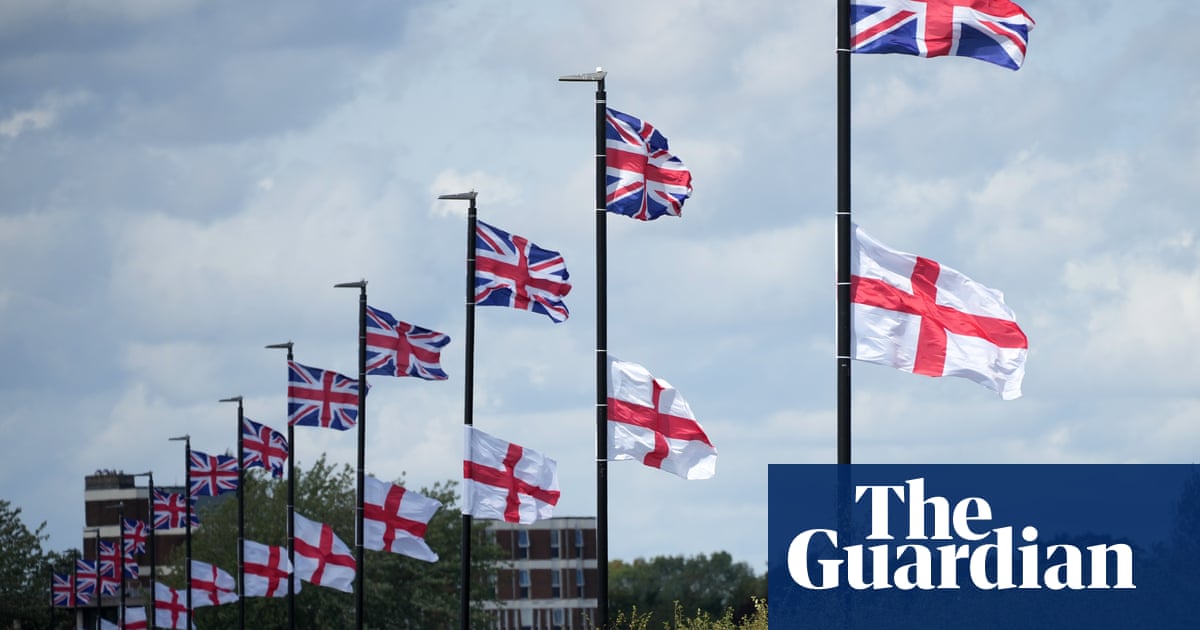
Birmingham city council has secured an interim injunction from the High Court barring the campaign group Raise the Colours from placing union jacks, St George's flags and other banners on council-owned street furniture without prior permission, according to the Guardian. The order, granted by the judge Emma Kelly in a judgment issued on Wednesday, names seven people identified as supporting or taking part in the affixing of flags, including the group's co-founder Ryan Bridge, along with "persons unknown".
The council, run by a minority coalition led by the Liberal Democrats, argued in its claim that the defendants had travelled across the city "unlawfully affixing flags" and had confronted residents who tried to remove them. It described the conduct as tortious and criminal, antisocial and dangerous, and said residents had suffered fear, anxiety, intimidation and harassment, with some injured, including one broken leg. The application follows similar action by Oxfordshire county council and has drawn national attention.
For its part, Raise the Colours describes itself as a grassroots movement that has been placing flags on public infrastructure across the country since August last year, framed on its website as a campaign to "cover Britain in symbols of unity and patriotism". Critics have accused the group of racism and of spreading anti-immigration rhetoric, claims it has previously denied. Bridge told the court the union flag represented home, identity, belonging and British culture, and his lawyer, Liam Wells, argued that the injunction would have a "chilling effect" on human rights and risk silencing political expression, while the council had not proved unlawful conduct. Three local residents joined the case as "persons unknown" to oppose the bid.
The politics around the ruling are already sharp. The council's cabinet member for equalities, communities and social justice, Jane Baston, called the judgment an important step and defended what she described as a proportionate, evidence-led approach centred on public safety and community cohesion. Reform UK's leader in Birmingham, Jex Parkin, said the council had its priorities entirely wrong and had pursued an ideologically driven case at public expense, while the local Conservative leader, Robert Alden, pointed to a 23-month bin strike and other service pressures. The group Brummies United Against Racism, which campaigned for the injunction, welcomed it while insisting it was not opposed to the flag itself.
What the interim order does not settle is the substance. It is temporary, a further hearing is due on Thursday, and the court has yet to rule on the underlying claims about unlawful conduct or on how far the power of arrest granted against Bridge and others will reach. Nor is it clear how the judgment will be applied to flag displays by other campaigns, a concern raised by the residents who joined the case. The wider question, of where patriotic display ends and intimidation begins on public property, remains contested, and the September adjournment, when the judge said she was troubled by the lack of clarity against individual defendants, suggests the council's evidence will be tested closely.