Gambling on everything, everywhere, with fewer and fewer consumer protections.
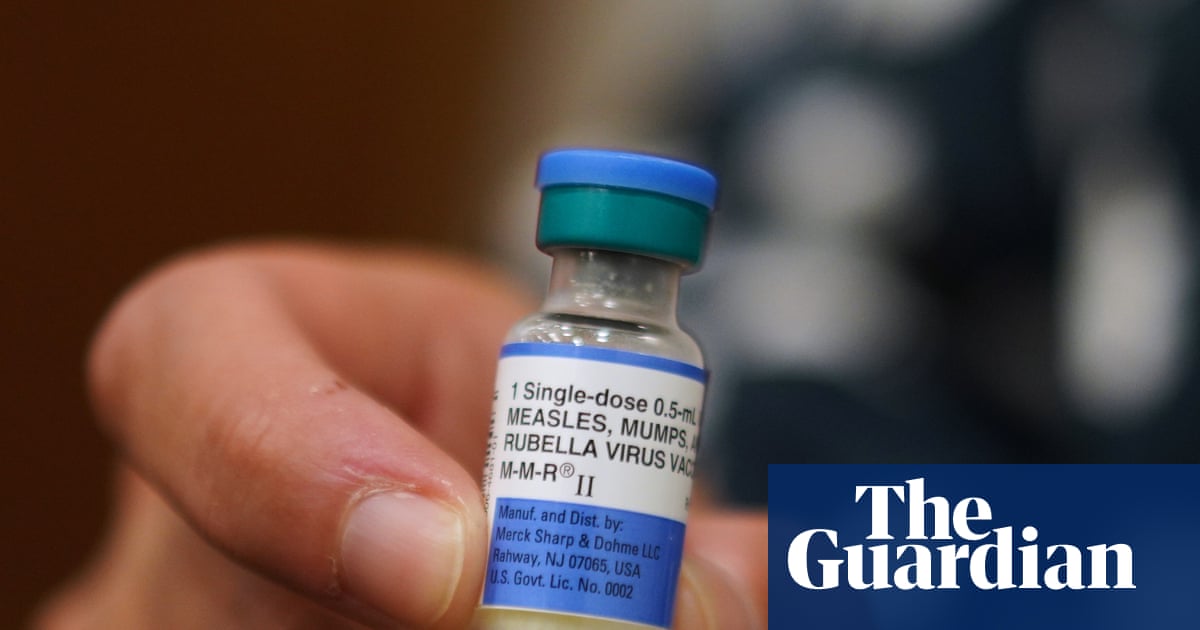
Experts warn of the risks of platforms hosting bets tied to US public health, including vaccine mandates and drug trials, according to the Guardian. The online prediction markets, Polymarket and Kalshi, allow users to wager on the outcomes of various events, including the number of measles cases in the US and the approval of a skin-cancer vaccine.
Despite being functionally identical to regulated gambling, prediction markets are largely unregulated, said Lia Nower, a professor and the director of the Center for Gambling Studies at Rutgers University. The lack of regulation raises concerns about the potential for insider trading and the impact on public health, as advocates and officials could place bets on ending vaccine mandates and then introduce new laws or policies to do so.
Prediction markets position themselves as financial derivatives, rather than traditional bets, in a regulatory loophole, Nower said. This means they operate under federal commodities laws, with oversight from the US Commodity Futures Trading Commission, and are not regulated by states as gambling operations. Several states have filed lawsuits against the companies alleging that they function as gambling sites.
Critics argue that predictions on FDA decisions and trial endpoints create a payoff for anyone with nonpublic information, such as agency reviewers, trial investigators, and legislative staff. Matthew Eisenberg, professor and chair of health policy and management at the Johns Hopkins Bloomberg School of Public Health, said that prediction markets may create their own safeguards, but the risk is that the market now rewards leaks.
The issue of problem gambling is also a concern, as it disproportionately affects people who are younger, Black or Hispanic, and lower-income. Eisenberg's research on online sports betting found that legalization is followed by measurable increases in treatment for depression and anxiety among young men. The lack of regulation and consumer protections in prediction markets exacerbates this issue, with very little of the revenue flowing to states through taxes to support treatment.