Cutting hydraulic lines and contaminating fuel tanks are acts aimed at rendering an aircraft unairworthy, not at causing superficial damage.
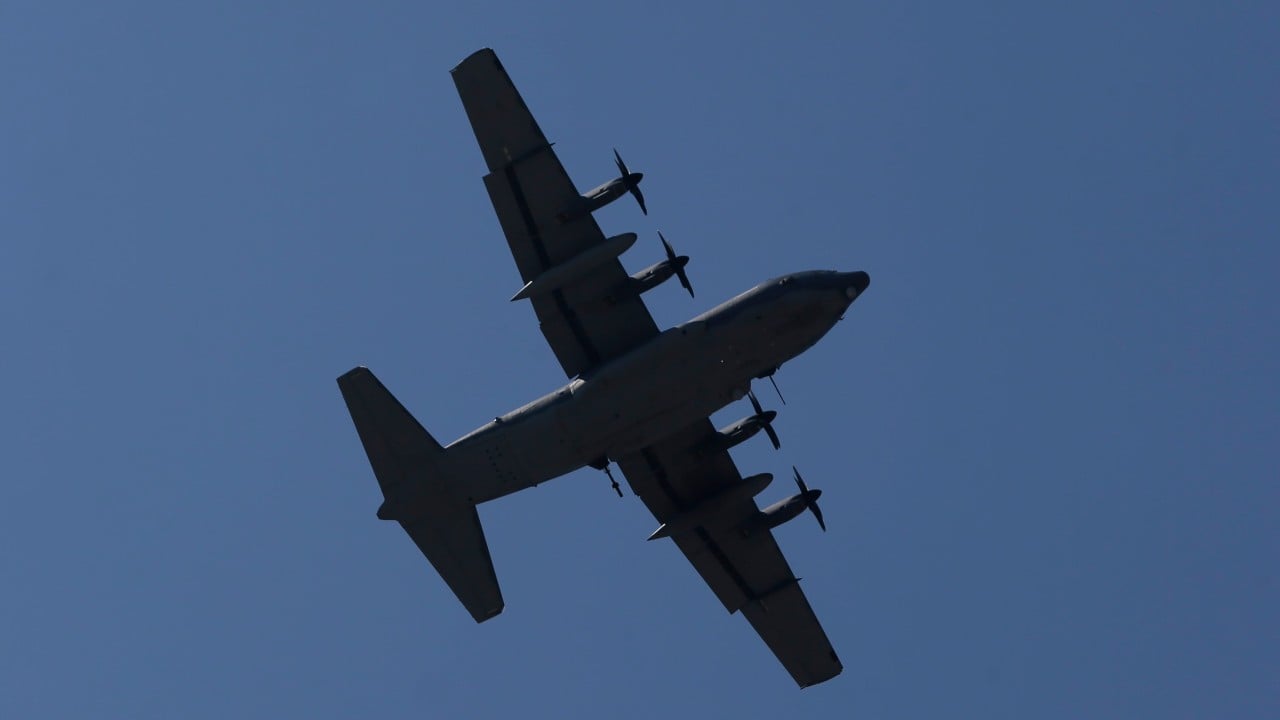
An Irish man has been charged in the United States with destroying an American military aircraft parked overnight at an Irish airport, according to a report by SCMP World. Prosecutors said the man, armed with an axe, breached a security perimeter and damaged the plane, cutting hydraulic lines, smashing cockpit gauges and pouring ball bearings into its fuel tanks. The indictment, unsealed on Tuesday in Manhattan, charges Daithi O'Corrain, 48, with destruction of US government property. The aircraft is valued at US$60 million.
The reported details describe an attack carried out with unusual deliberation rather than opportunism. Cutting hydraulic lines and contaminating fuel tanks are acts aimed at rendering an aircraft unairworthy, not at causing superficial damage. That such work could be done overnight at a parked military plane raises immediate questions about perimeter security at the facility concerned, which the summary does not identify beyond describing it as an Irish airport. The report does not say how the man gained access, whether he was detected during the attack, or how the damage was discovered.
According to the report, the man's supporters attributed the attack to his anger at United States involvement in Middle East conflicts. That framing places a criminal case within a wider argument about the risks that foreign policy controversies can carry into host countries. Ireland is not a party to those conflicts, and the report gives no indication that the Irish authorities were involved in the charging decision, which was brought in Manhattan. The summary does not state whether O'Corrain is in US custody, whether he has entered a plea, or what penalty the charge carries.
The case matters beyond the damage to a single aircraft. Military assets stationed or transiting through allied and neutral states depend on host-nation security arrangements, and an incident of this kind invites scrutiny of how those arrangements are audited. The report does not say whether the aircraft was operating under a bilateral agreement or what the Irish government's response has been. Those details, along with the evidence behind the charge, are not yet confirmed. Until they are, the case is best read as an allegation tested in court rather than a settled account.