What emerges is a narrowing consensus in London: words may be offered, money will not.
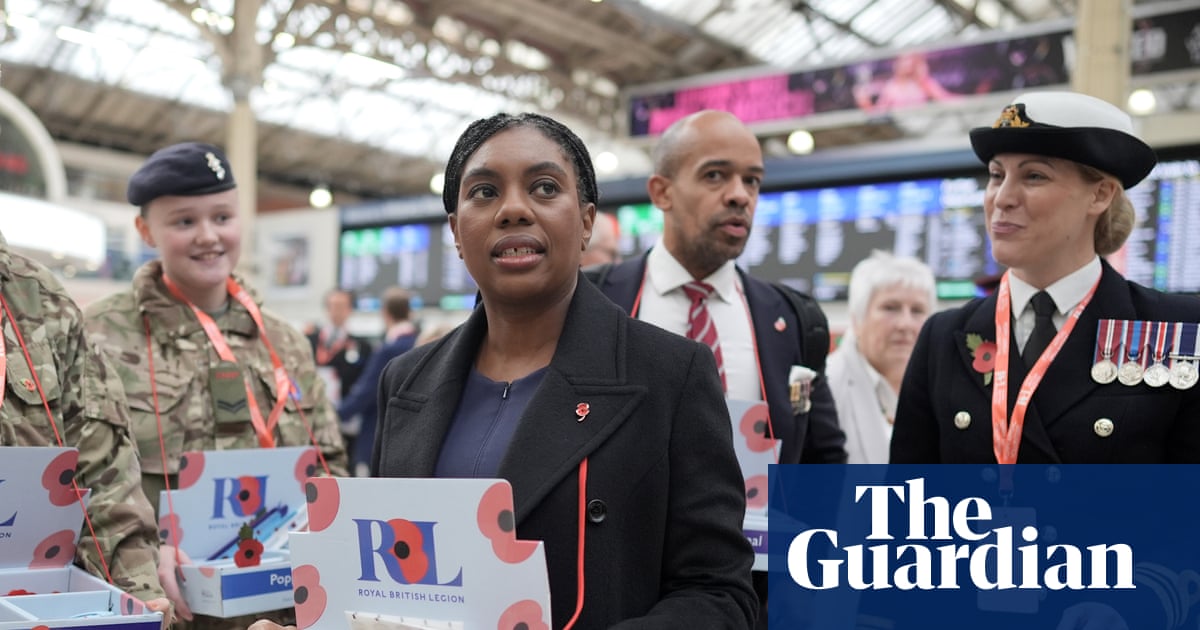
Kemi Badenoch has said Britain should not apologise for its role in the transatlantic slave trade, calling such a gesture a "navel-gazing distraction" and warning that it would be used as a lever to demand financial compensation. According to the Guardian, the Conservative leader made the remarks to broadcasters on Sunday, as Andy Burnham signalled he was considering a formal apology before travelling to the Commonwealth heads of government meeting in Antigua and Barbuda next week.
Badenoch's argument rests on two claims. The first is historical: she described slavery as an evil "in which people from every continent and region participated", and said leaders should be "honest about the whole history, not select the parts that are politically convenient today, especially given Britain's leading role in ending the transatlantic slave trade". In a social media post, she asked whether Caribbean countries seeking an apology from Britain would ask the same of the descendants of African kingdoms, rulers and merchants who captured, sold and profited from the trade. The second claim is tactical. She told Sky News that even if an apology were offered, campaigners would treat it as a step towards compensation, and that the summit risked becoming "yet another opportunity for people to start asking Britain for money because of the slave trade".
The timing matters. Burnham, writing in the Guardian, said there would be no reparations in the form of financial compensation, but that he was prepared to help poorer countries restructure debt on more favourable terms. That distinction — apology without payment, engagement without liability — is the space in which the British debate is now being conducted. Badenoch argued that Burnham's apology was unnecessary given comments made by Tony Blair two decades ago, and that the Commonwealth "should be looking forward, not endlessly backwards".
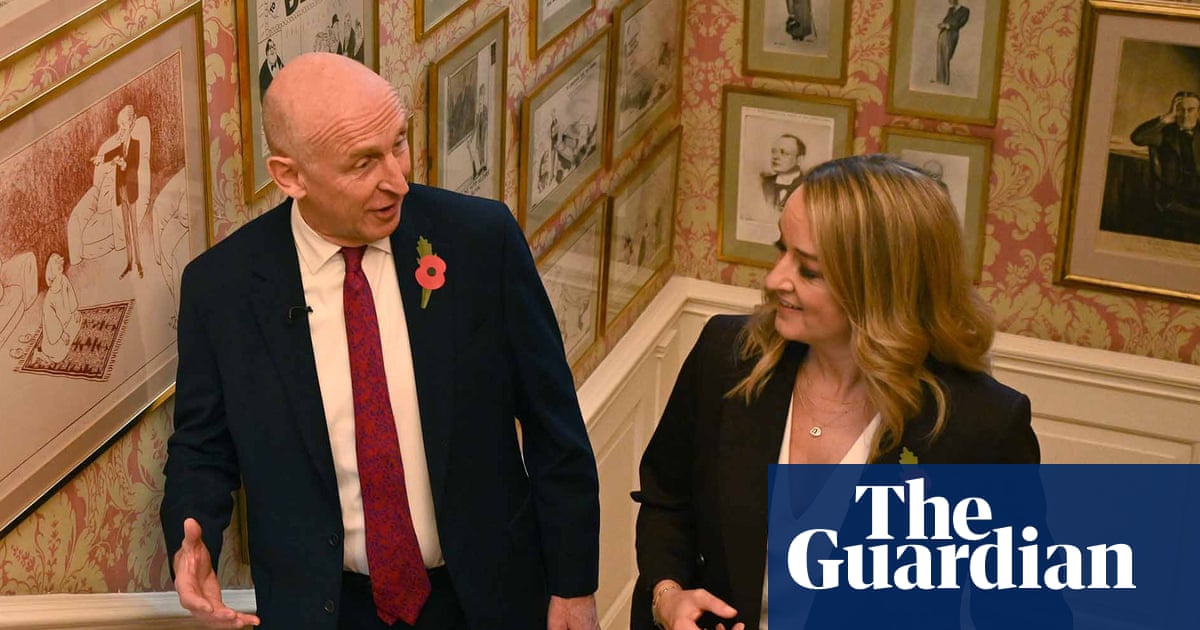
Within the government, the chancellor, John Healey, told the BBC's Sunday with Laura Kuenssberg that the prime minister was "open to a discussion about an apology" and felt that was the right thing ahead of the Commonwealth leaders' conference. But Healey also said reparations were not the right approach, and that considering a formal apology did not mean accepting that British people today should carry financial liability for events hundreds of years ago "in which they had no role".
What emerges is a narrowing consensus in London: words may be offered, money will not. Whether that holds depends on how the summit's participants respond, and on whether an apology is read as a settlement or as an opening. The report does not say what form any apology might take, whether the prime minister will deliver one, or how Caribbean governments have reacted to Badenoch's intervention. Those questions will be answered in Antigua and Barbuda, not in Westminster.