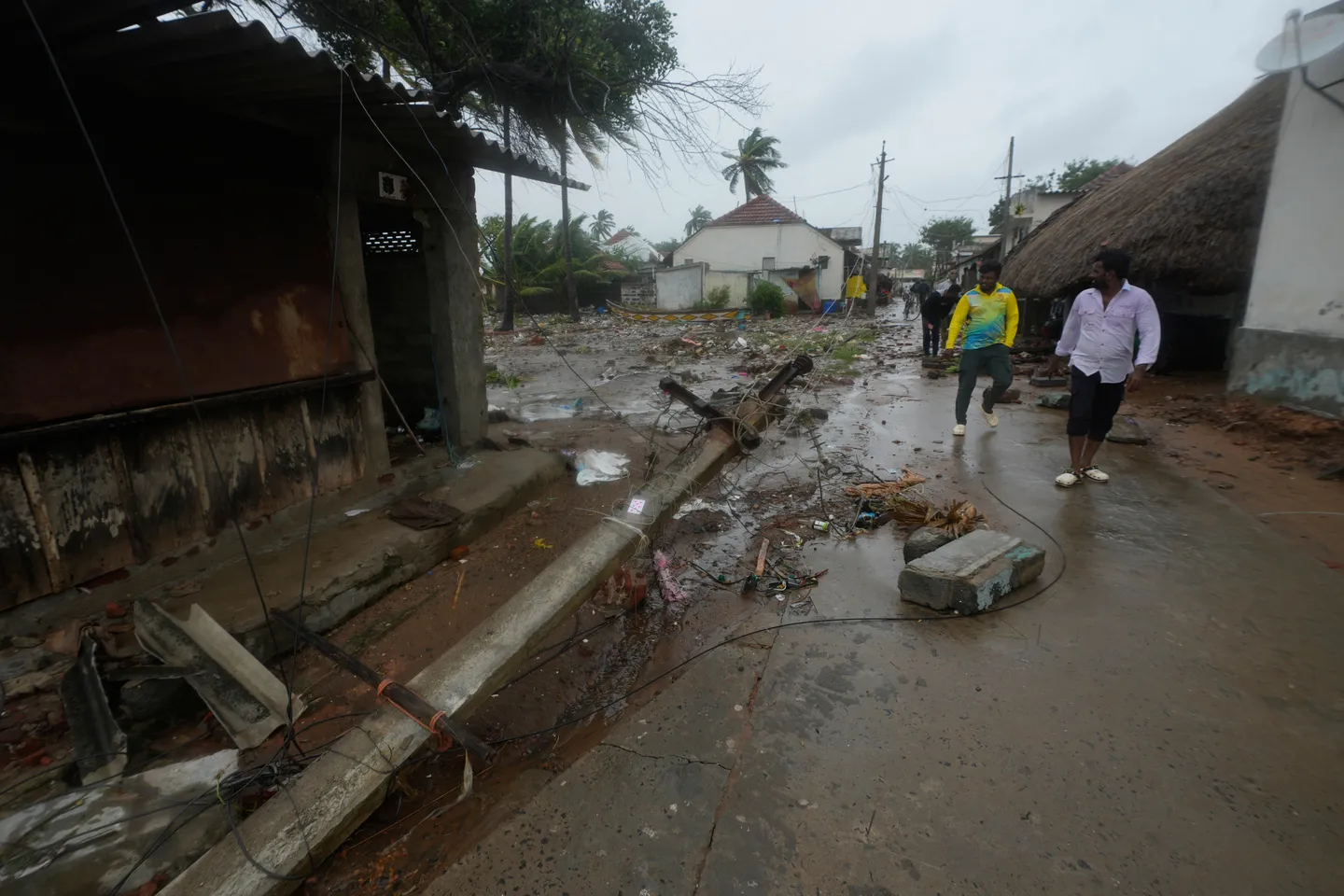
A second landfall within a week compresses the window for restoring power, clearing roads and resupplying shelters.
Authorities in the southern Indian state of Andhra Pradesh have begun moving residents out of low-lying coastal areas as Cyclone Murasu approaches, according to Al Jazeera. The storm is due to make landfall on a coastline still recovering from a deadly cyclone only days earlier.
Prakhar Jain, managing director of the Andhra Pradesh State Disaster Management Authority, told Reuters that about 2,000 people had been evacuated by Monday, with plans to move some 30,000 in total. The India Meteorological Department said the cyclone was likely to cross the south Andhra Pradesh coast between Nellore and Narsapur, near the town of Ongole, from late on Monday night into the early hours of Tuesday. The IMD projected that it would arrive as a severe cyclonic storm with wind speeds of around 100 to 110 kilometres per hour, and gusts of up to 120km/h.
Chief Minister N Chandrababu Naidu directed officials to prepare, warning that estimates suggested 6,000 to 8,000 electrical poles could be damaged, posing what the report describes as a severe threat to power supply. Deputy Chief Minister Pawan Kalyan said on X that Nellore, Prakasam, Bapatla and Krishna districts were set to be severely affected. Six National Disaster Response Force teams and seven State Disaster Response Force teams have been deployed in advance, Jain said, according to the IANS news agency; three of the NDRF teams were sent from neighbouring Tamil Nadu, ANI reported.
In Nellore district, Collector Himanshu Shukla urged fishermen not to go to sea and ordered coastal officials to remain at their posts. Schools have been closed in Andhra Pradesh, Tamil Nadu and Odisha, with rain expected to continue over parts of Andhra Pradesh, Telangana, Odisha and Chhattisgarh until Wednesday as the storm weakens, according to ETV Bharat.
Murasu is expected to be less intense than Cyclone Arnab, which struck the same coastline on Wednesday, killing six people and destroying dozens of homes and crops. The back-to-back storms matter beyond the immediate evacuation figures. A second landfall within a week compresses the window for restoring power, clearing roads and resupplying shelters, and it tests whether the response machinery assembled for the first storm can be sustained. The chief minister's estimate of thousands of damaged poles points to the kind of infrastructure loss that can outlast the weather itself, leaving households without electricity well after the winds subside.
Several things are not yet known. The article gives no confirmed figure for damage or casualties from Murasu, and the landfall forecast may shift. The reported evacuation target of 30,000 is a plan rather than a completed figure. Whether the storm weakens as projected, and how quickly power and transport are restored across the four districts flagged by the deputy chief minister, will only become clear after the cyclone has passed.