The significance of the inquest lies less in one practitioner than in the gap it exposes.
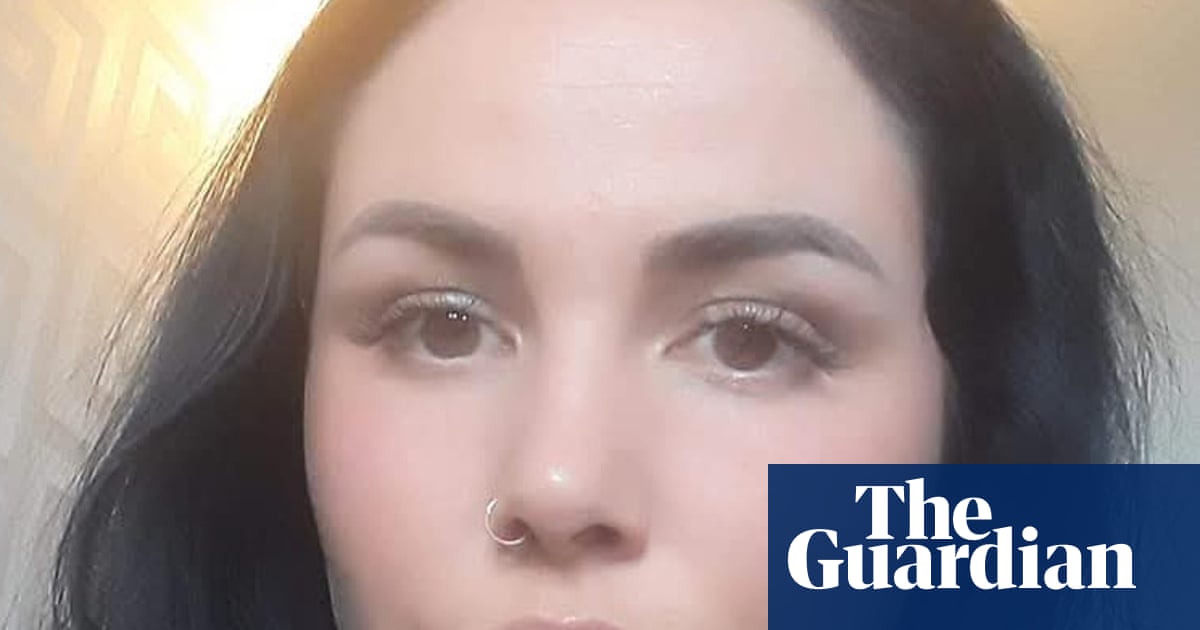
An inquest jury in Gloucester has been told that a woman who died after a cosmetic procedure was injected with seven times the amount of filler her practitioner had been taught to use. Alice Webb, 33, a beautician from Wotton-under-Edge, became unwell during a "Brazilian butt lift" (BBL) carried out by Jordan Parke at a beauty salon attached to a house in Gloucester in September 2024, according to the Guardian's report of the proceedings. She was taken to Gloucestershire Royal Hospital and died in the early hours of the following day.
The court heard that traces of the gel-like filler, hyaluronic acid, were found in Webb's lungs, brain, heart, kidneys and thyroid gland. Home Office forensic pathologist Dr Stephen Leadbetter said the filler could have entered her system when a blood vessel was damaged during the procedure. Webb's sister-in-law, Morgan Townsend, told the jury that Webb paid £2,300 for the treatment and sent her a photograph of the procedure in progress; she said she was shocked at the volume of filler being used, 1,400ml, along with what the report describes as "loads" of local anaesthetic. Webb's messages read "OMG – it kills" and then "Painful". Jurors were shown a brief video clip in which Parke laughed as he injected her and said: "Well done!"
A paramedic who went to Webb's aid, Allanah Kingston, said she was surprised that Parke seemed "unbothered" and "didn't appear to understand the urgency". She said he held no personal details about Webb, such as her date of birth or emergency contact, and that she found it strange he did not come to the hospital.
The detective leading the investigation, DI Adam Stacey, told the court there is no formal training for BBLs in the UK, with techniques passed from practitioner to practitioner. Parke had no medical qualifications, though a doctor who had worked with him had recommended using 100ml of filler in each buttock. Stacey said Parke had been banned from performing BBLs in Salford and in Dudley because of concerns that his methods were not safe, yet was able to carry on elsewhere. "It's an unregulated industry," he told the court. Police said they were confident they had a case for gross negligence manslaughter and were about to question Parke further when he died earlier this year; his cause of death is not yet known. Asked whether other clients had become unwell, Stacey said there were "many who suffered negative experiences".
The significance of the inquest lies less in one practitioner than in the gap it exposes. A procedure carrying real risk of vascular injury appears to have been available from someone without medical qualifications, subject to local prohibitions that did not travel with him. The jury has heard evidence; it has not yet delivered conclusions, and no finding has been made. Parke's death means criminal questions will not be tested in court, and his cause of death is unestablished. What the inquest may clarify is how a ban in two areas failed to prevent practice elsewhere, and what oversight, if any, exists over the wider trade.