Broadcasters and agencies can act faster than courts, but their decisions are not adjudications.
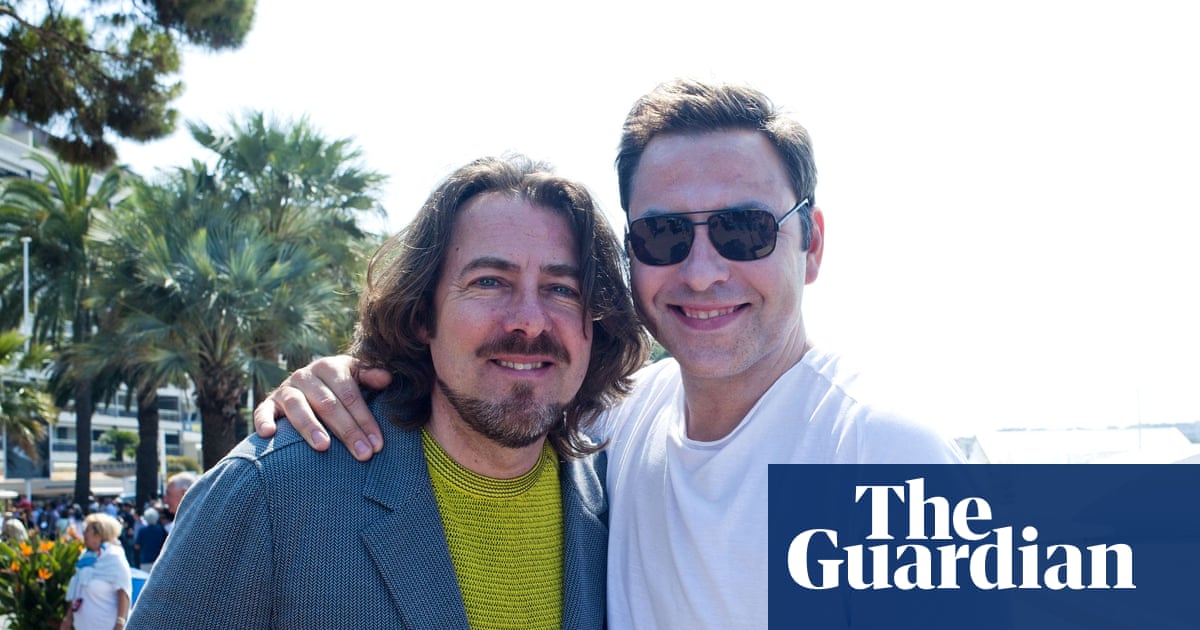
The allegations against David Walliams have moved quickly from press report to institutional consequence. According to The Guardian, his literary agency, Independent Talent Group, has dropped him, saying it was “deeply disturbed” by the claims; Fremantle UK, the production company behind Britain's Got Talent, where Walliams was a judge from 2012 to 2022, said it was “disturbed and concerned”. Sky will no longer hold the licence for Fing!, a film written by and starring Walliams that was expected next year, and the BBC is removing some programmes, including Little Britain, while it reviews “all material featuring and written by David Walliams on our platforms”.
Walliams denies the allegations. He remains in a psychiatric hospital, and in a personal letter to Guardian and ITV News journalists he wrote: “Looking back, I realise that at times I behaved thoughtlessly towards other people I had casual sexual relationships with. And whilst a power imbalance is inevitable when one party is famous, abusing that power is something else entirely and it is something I never did.” He added: “I am not a sexual predator. I have not broken the law, but I am devastated that some of the women I met 10-20 years ago have now expressed hurt or anger towards me.” His lawyers said he also denied allegations of sexual harassment and inappropriate behaviour in the workplace.
The political response has been unusually direct. The culture secretary, Lisa Nandy, called the claims the “latest in a long line of reported abuses of power” and promised to meet senior media and entertainment figures to “draw a line in the sand”. She placed the moment in a longer sequence: “A decade and a half on from the revelations about Jimmy Savile, and 10 years on from the #MeToo movement, we must finally take meaningful steps to end abuse and harassment in sectors where the power imbalances are huge and careers are built on contacts and reputation.” Downing Street described the allegations as “deeply troubling”, and Walliams's Labour party membership has been suspended.
The Labour MP and former safeguarding minister Jess Phillips raised the legal dimension, telling Times Radio that it mattered the law had intervened to stop the allegations being silenced. “It would have been a terrible precedent, and every powerful man in the public eye and outside of the public eye would have used this injunction tactic in the future,” she said. Her remark points to a question that outlasts any single case: whether courts or newsrooms are the right forum for such claims, and what protection exists for those who make them.
What remains unconfirmed is the substance of the allegations themselves. The source material does not detail them, nor identify the complainants, nor say what legal or regulatory processes are under way beyond the industry's own decisions. Walliams denies wrongdoing and has not been charged with any offence. The commercial withdrawals are precautionary responses to reputational risk, not findings of fact.
That distinction matters for the wider reckoning Nandy describes. Broadcasters and agencies can act faster than courts, but their decisions are not adjudications. The test of the promised industry meeting will be whether it produces durable safeguards for people whose careers depend on contacts and reputation, rather than a round of statements that lasts as long as the news cycle.