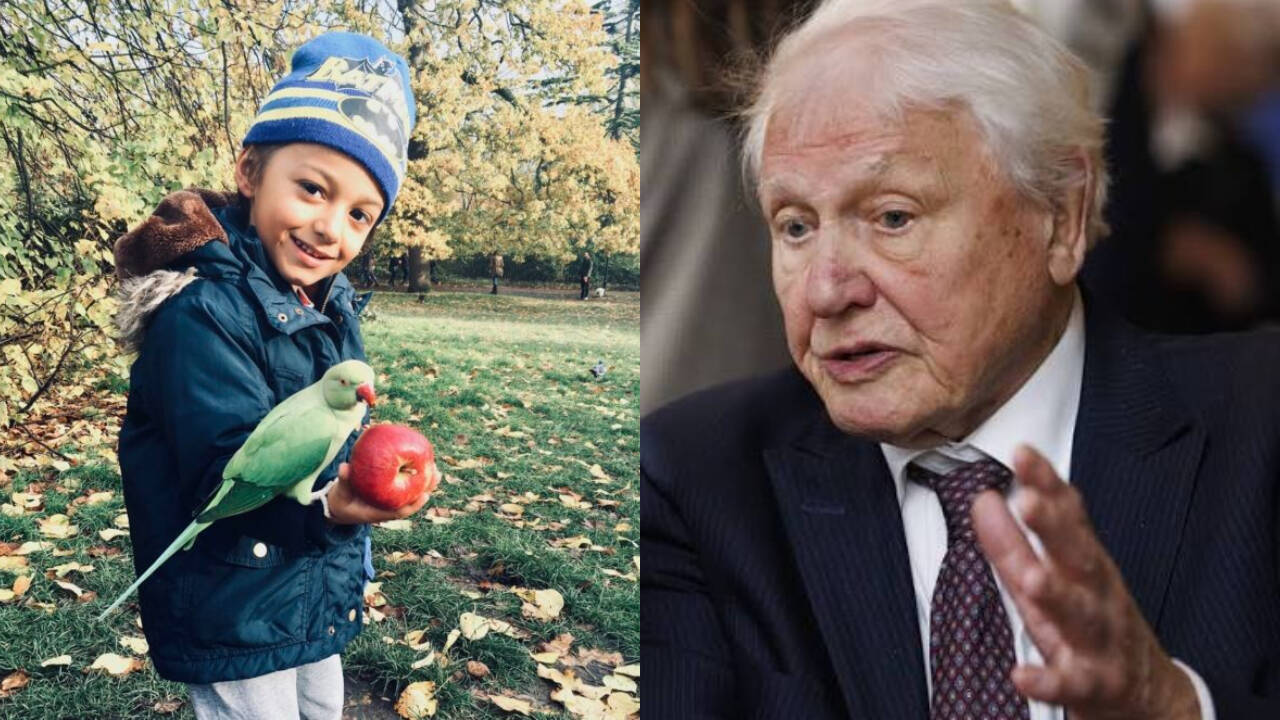
Sometimes it begins with a child, a camera and an interest in the wildlife nearby.
A twelve-year-old from Camberwell, in south London, has raised more than £13,000 for animal charities and rewilding projects and built an online following of over 35,000 across several platforms, according to reports carried by the Times of India citing the London Post and Southwark News. Leo Sordello-Savala's project, Leo's Animal Planet, spans YouTube, podcasts and other social media, where he shares animal facts, educational videos and material on endangered species.
The reports say his fundraising has drawn on several streams: profits from his online content, profits from a sustainable clothing shop hosted on Teemill, and prize money from awards including the 2025 London Eco Champion Award. He has also sold old toys, books and clothes, held school events with cakes and badges, and taken part in races, according to the same accounts. He is said to have worked with the Cheetah Conservation Fund, the Captain Paul Watson Foundation UK and Born Free, where he is described as a young ambassador.
The most striking detail in the coverage is the endorsement. In 2021, Sir David Attenborough is said to have sent him a handwritten letter acknowledging his work to protect wildlife. On 29 October, Leo was presented with the BCyA Medal of Honor at the Palace of Westminster, alongside other young people recognised for their achievements, the reports say. The British Citizen Youth Award celebrates young people who make a positive contribution to their communities and wider society.
Why does this matter beyond one boy's story? Because it illustrates a shift in how conservation campaigning now works. A child with a camera and a genuine interest can assemble an audience, monetise it modestly and route the proceeds to established organisations, without waiting for a formal institution to commission him. The reports describe his content as an attempt to make wildlife conservation accessible to young people and to change how they think about their relationship with the natural world. That is a distribution model as much as a moral one.
There are limits to what the material establishes. The £13,000 figure and the 35,000-strong following are attributed to the London Post and are not independently verified in the coverage. The precise sums raised by each stream, the charities' own confirmation of the donations, and the terms of the Born Free ambassadorship are not set out. Nor is it clear how the Attenborough letter came about, beyond the report that it acknowledged his work. Readers should treat the headline numbers as reported claims rather than audited accounts.
What can be said is that the recognition is real enough to have been recorded at Westminster, and that the model it rewards is replicable. Conservation, the coverage notes, does not have to begin with a large organisation or a formal campaign. Sometimes it begins with a child, a camera and an interest in the wildlife nearby. The interesting question for the sector is whether established charities can absorb that kind of energy without smothering it.