For now, the significance lies in the undertaking itself: a convalescent pope choosing distance and duration over caution, and a continent receiving him as both pastor and symbol.
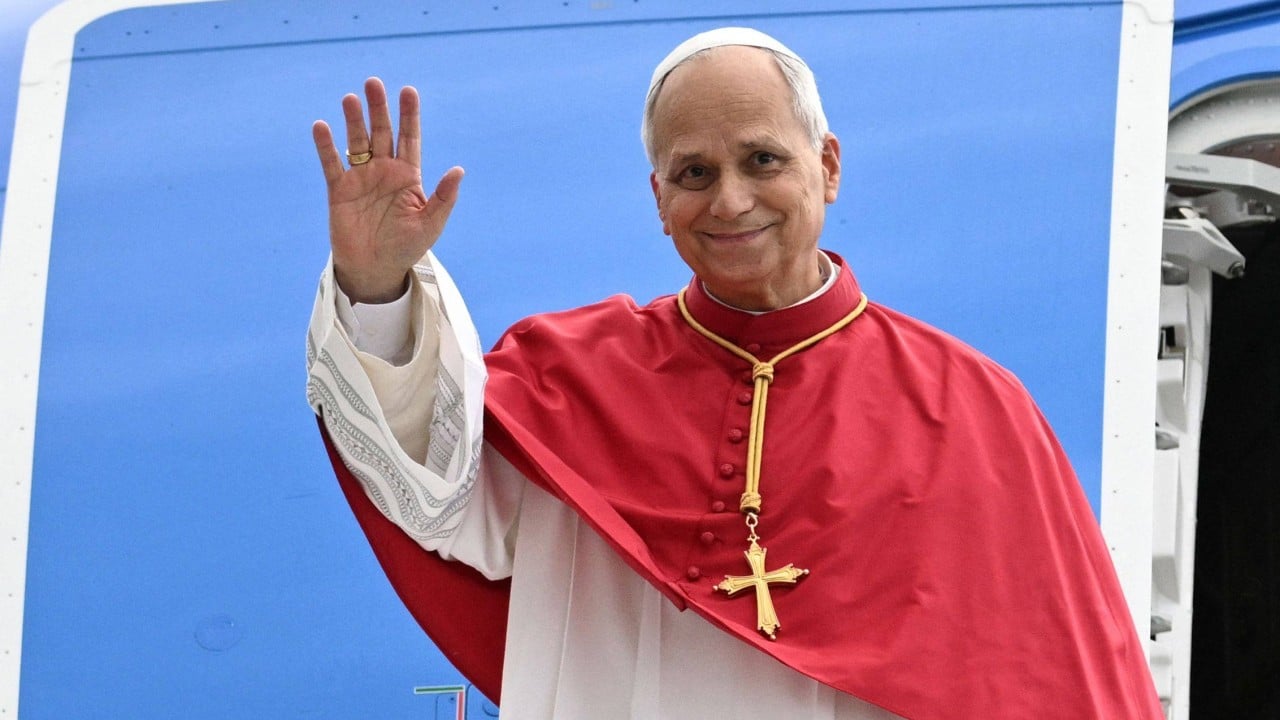
Pope Leo began a 12-day tour of South America on Friday, arriving in Uruguay barely three weeks after undergoing surgery for lung cancer. According to the report, the 71-year-old head of the Catholic Church will visit Uruguay, Argentina and Peru, meeting political leaders, prisoners and the poor, and describing the schedule as one of the most intense papal foreign trips in decades.
The medical question hangs over the visit, and the Vatican has sought to settle it. Leo told reporters on the plane that he was "in fairly good shape" and that he had been given the all-clear by doctors, while the Vatican said no special medical measures were necessary beyond the standard care on papal trips. Speaking before landing, he said he wanted to bring a "message of hope in today's world" and insisted that he had never doubted the trip would go ahead. The itinerary itself will be the test: a 12-day, three-country programme is demanding for any pontiff, let alone one recovering from surgery.
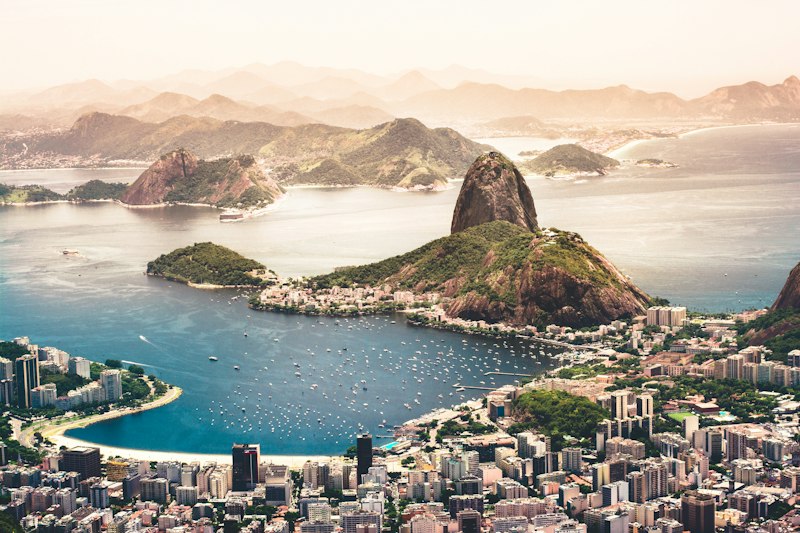
Uruguay, described in the report as Latin America's most secular and one of its wealthiest countries, opens the tour under tight security, with some 5,000 police officers and 1,000 soldiers mobilised. Leo is to be driven along Montevideo's waterfront promenade in a custom-made Popemobile before meeting left-wing President Yamandu Orsi and receiving the keys to the city. Cardinal Daniel Sturla, archbishop of Montevideo, said interest in the visit went well beyond the confines of the Catholic Church, with tickets for masses in Paysandu and Florida quickly running out. The report notes that the country is at odds with the Church on same-sex marriage, abortion and euthanasia, legalised last year, and that Leo is expected to appeal for the protection of life and traditional family values. He may also address mental health, particularly in the Casavalle neighbourhood, known for high poverty and extreme violence.
The political and personal threads run together. Leo, the Church's first US-born pope, has repeatedly clashed with US President Donald Trump over the Middle East war, and his mail-in ballot in this week's US midterm elections made history as the first known instance of a pope voting in a political election. He holds Peruvian citizenship alongside his American nationality and spent almost two decades in Peru as a missionary, calling it "one of my many homes". On Sunday he travels to Argentina, homeland of his predecessor Pope Francis, who disappointed many Argentinians by not returning during his papacy; Leo said he would go "with great joy" to the country where Francis "did not manage to go". The Vatican expert Christopher White, quoted in the report, described the trip as a double homecoming in which Leo carries forward the mantle of history's first Latin American pope.
The Peruvian leg, beginning on Wednesday, is presented as the emotional centre of the journey, with vendors in Lima selling T-shirts and rosaries bearing his image, a 14-metre statue erected in the port city of Callao, and inmates in a women's prison crafting dolls in his likeness. The trip will take him to Cusco and the Amazon rainforest, and back to the life of Robert Francis Prevost, from a supper with priests of his old diocese of Chiclayo to a private visit to a chapel he helped rebuild.
What the visit will produce in concrete terms is not yet known. The report gives no details of agreements to be signed, no schedule of formal addresses, and no indication of how the pope's health will hold up across the full 12 days. Nor is it clear how far his expected appeals on life and family will resonate in a region where secular politics and the Church have long diverged. For now, the significance lies in the undertaking itself: a convalescent pope choosing distance and duration over caution, and a continent receiving him as both pastor and symbol.